Every city has its heartbeat—and often, it pulses loudest during a festival. Whether rooted in centuries-old tradition or celebrating the cutting edge of art and identity, cultural festivals are more than events. They’re stories in motion.
Why Cultural Festivals Matter
Cultural festivals do more than draw crowds. They honour history, platform voices, and shape how communities see themselves and how the world sees them.
“Festivals are where memory and imagination meet—celebrating not just what we were, but what we’re becoming.”
— Dr. Mina Salvatore, cultural historian
These events remind us that culture isn’t static. It dances. It evolves.
Unmissable Festivals Around the World
Here are some of the most unmissable cultural festivals on the global calendar—whether you’re planning a trip or just dreaming of one.
1. Gion Matsuri — Kyoto, Japan
Held every July in Kyoto, Gion Matsuri is one of Japan’s most iconic and enduring cultural festivals. Originally established in 869 as part of a purification ritual to appease the gods during an epidemic, it has since evolved into a vibrant, month-long celebration of tradition, craftsmanship, and community.
At its heart are the yamaboko floats—towering, ornately decorated structures pulled through the streets by teams of locals. The festival blends solemn Shinto ritual with theatrical spectacle, culminating in grand processions, lantern-lit evenings, and a rare glimpse into Kyoto’s layered past.
When: July
Why go:
One of Japan’s oldest and most elegant festivals, Gion Matsuri transforms Kyoto into a tapestry of lanterns, floats, and ritual.
What to expect:
- Towering yamaboko floats pulled through narrow streets
- Traditional dress and ceremonial music
- Night markets with regional street food
2. Afropunk — Johannesburg, South Africa
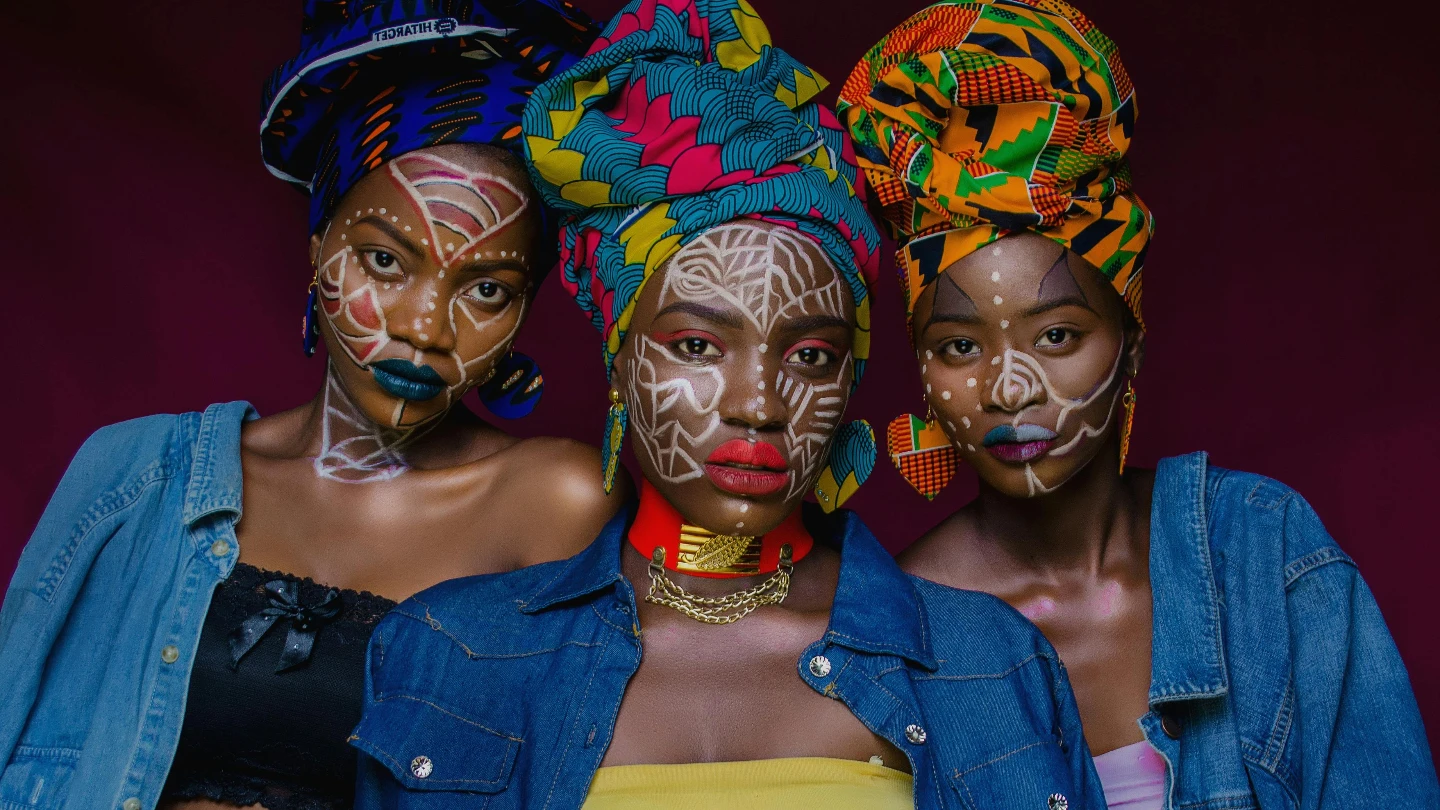
Afropunk began in Brooklyn as a movement for Black alternative culture, and its Johannesburg edition carries that same rebellious spirit with a distinctly South African pulse. This is not just a music festival—it’s a celebration of identity, activism, and unapologetic self-expression.
Expect fashion that breaks rules, performances that demand attention, and a crowd united not by trend, but by principle. Afropunk Joburg champions local voices and global connections, making space for joy, resistance, and creativity all at once.
When: December
Why go:
Afropunk is more than a music festival—it’s a cultural movement. A celebration of Black identity, art, and activism.
Highlights include:
- Fashion that redefines runway rules
- Lineups featuring rising and iconic Black artists
- A platform for radical creativity and self-expression
3. La Mercè — Barcelona, Spain
La Mercè is Barcelona’s biggest party—and one of its oldest. Held every September in honour of the city’s patron saint, it fuses Catalan folk traditions with modern urban energy. The result is a festival that turns the city into a stage, both playful and proud.
Signature spectacles include castellers (human towers), gegants (giant puppets), and the thrilling correfoc—a fiery parade where devils run through the streets wielding sparklers and firecrackers. It’s chaotic, beautiful, and uniquely Barcelona.
When: Late September
A dazzling mashup of Catalan traditions and citywide revelry. La Mercè has fireworks, human towers, and parades where giants roam the streets.
Tip: The Correfoc (fire run) is thrilling—but bring protective clothing. Sparks fly. Literally.
4. Holi — Across India (and the world)
Holi, the Festival of Colours, marks the arrival of spring with an explosion of pigment and joy. Though rooted in Hindu mythology—particularly the legend of Prahlad and the demon Holika—it has transcended its origins to become one of India’s most beloved and inclusive celebrations.
Participants throw powdered dyes, dance in the streets, and share sweets as barriers between castes, classes, and generations dissolve for a day. In major cities and small villages alike, Holi is a jubilant call to renewal, release, and human connection.
When: March (date varies by lunar calendar)
Why go:
Known as the Festival of Colours, Holi is a vibrant celebration of spring, renewal, and the triumph of good over evil.
Expect to see:
- Streets awash in bright powder pigments
- Music, dance, and water play
- Community gatherings across castes and cultures
Note: In major cities like Delhi and Mumbai, some events are organised specifically for tourists—research ahead to find experiences rooted in local tradition.
5. Edinburgh Festival Fringe — Edinburgh, Scotland
The Edinburgh Fringe isn’t just a festival—it’s a phenomenon. Spanning most of August, it transforms the Scottish capital into a mecca for experimental theatre, stand-up, cabaret, and every genre-defying performance in between.
What began in 1947 as a space for artists excluded from the mainstream has become the world’s largest arts festival, renowned for its openness and unpredictability. Wander down any street in Edinburgh during Fringe and you’re just as likely to find a future star as a delightful disaster—and that’s the point.
When: August
Why go:
The largest arts festival in the world, Fringe turns the entire city into a stage. From experimental theatre to global comedy, it’s where creative risks become cultural revelations.
Don’t miss:
- Underground venues and pop-up performances
- Hidden gems among thousands of shows
- The city’s electric atmosphere during festival season
6. Día de los Muertos — Mexico City, Mexico
Día de los Muertos, or Day of the Dead, is a sacred and celebratory occasion honouring ancestors through altars, offerings, and remembrance. Unlike Halloween, it’s not about fear or fright—it’s a joyful reunion with the dead, marked by food, flowers, and reflection.
In Mexico City and beyond, families create ofrendas adorned with marigolds, candles, sugar skulls, and photographs. Public celebrations include parades, music, and art installations—each one a moving blend of Indigenous tradition and Catholic influence, full of colour and reverence.
When: November 1–2
Why go:
Far more than costumes and sugar skulls, Day of the Dead is a powerful, deeply spiritual celebration of ancestry, memory, and love.
Key highlights:
- Altars (ofrendas) honouring departed loved ones
- Marigold-filled processions and candlelit vigils
- A rich blend of Indigenous and Catholic traditions
“It’s not about mourning—it’s about remembering. With joy.”
— Rosa Martín, artisan and altar-keeper, Oaxaca
Planning to Attend? Here’s What to Keep in Mind
Packing Tips for Cultural Festivals
- Layered clothing: Weather can shift quickly in open-air celebrations.
- Comfortable shoes: You’ll be walking—and dancing—a lot.
- Local currency: Markets and vendors may not accept cards.
- A respectful mindset: Always read up on cultural etiquette before you go.
Stay Updated with Local Resources
Many festivals have their own sites or city pages. Here are starting points for further details, travel planning, and event schedules:
- Japan Guide – Gion Matsuri
- Afropunk Official Site – Johannesburg
- Barcelona Tourism – La Mercè
- Holi Festival Overview – India Tourism
- Edinburgh Festival Fringe Official Site
- Día de los Muertos – Visit Mexico
Final Thoughts
From the sacred to the subversive, cultural festivals tell the story of who we are. They’re loud, layered, and full of life. Whether you’re boarding a plane or tuning in from home, they’re a reminder that culture lives best when it’s shared.
What’s Your Favourite Festival?
Have you attended a festival that left a mark? Share it in the comments below—we’re always looking for our next reason to book a flight.