
Europe’s new Entry/Exit System (EES) is currently leading to significant delays at border controls, but a recently launched mobile application aims to streamline the process for non-EU travelers.
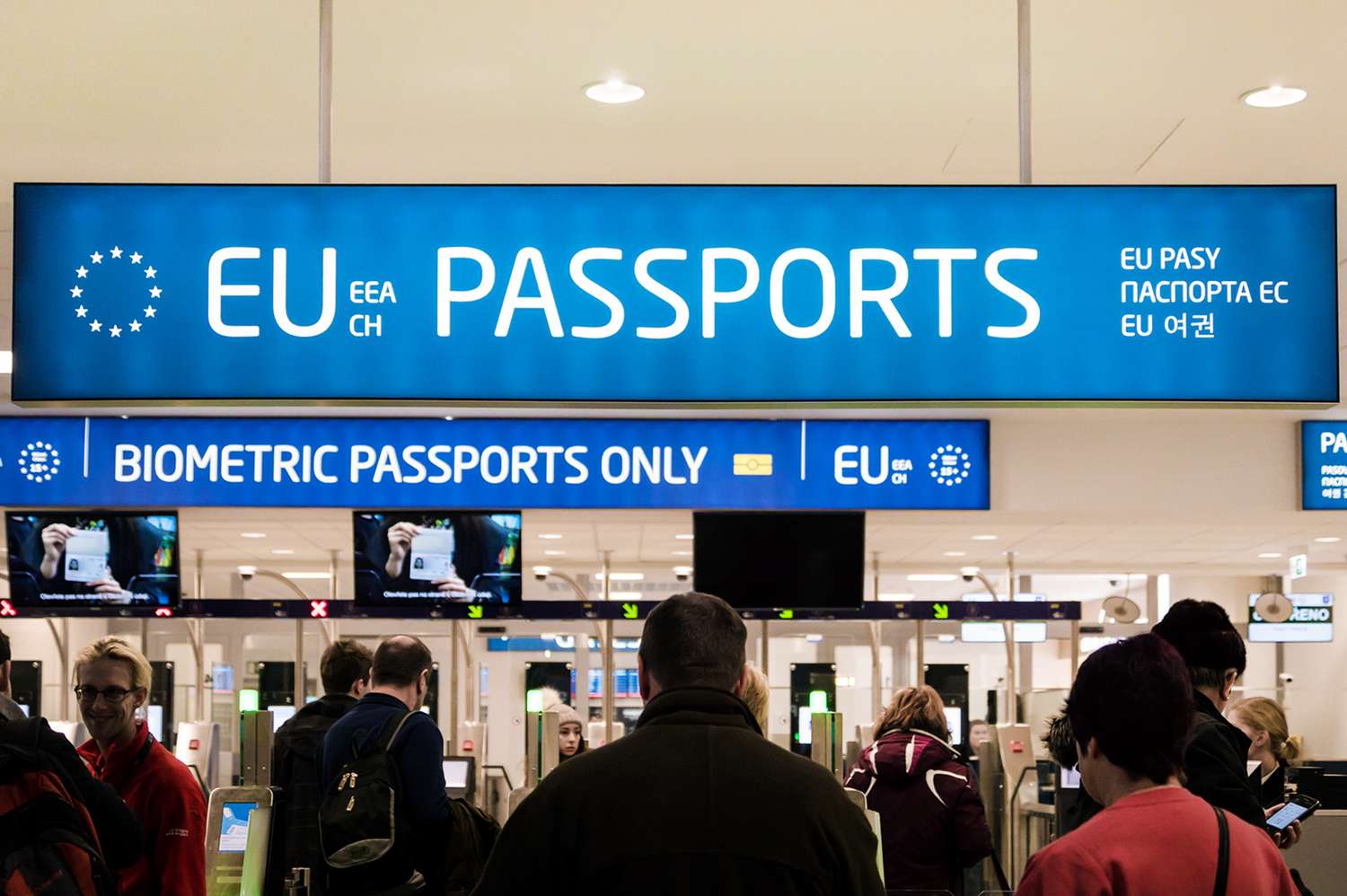
Photo: travelandleisure.com
Navigating Europe’s Enhanced Biometric Border System
Recent visitors to Europe may have encountered extended queues and new biometric data collection requirements upon arrival. These changes are part of the European Union’s Entry/Exit System (EES), designed to meticulously record the entry and exit of all non-EU nationals, regardless of whether they require a visa. This system mandates the collection of biometric data, including fingerprints and facial images, at border crossings.
Since its launch in October 2025, the EES has contributed to considerable travel disruptions. Major industry bodies, including Airports Council International Europe, Airlines for Europe (A4E), and the International Air Transport Association (IATA), have jointly urged the EU to re-evaluate the system before the busy summer travel period. Reports indicate wait times of two to three hours at border control, with some estimates suggesting a 70 percent increase in delays attributable to the EES. Concerns are rising that these waits could extend to four hours during the peak months of July and August 2026, prompting advice for travelers to factor in at least four hours of buffer time to avoid missed connections.
Accelerating Your Journey with the ‘Travel to Europe’ App
To mitigate these growing delays, the EU has introduced the ‘Travel to Europe’ mobile app, which offers a promising solution for expediting border procedures. Sweden has taken the lead as the first nation to fully integrate the app, allowing non-EU travelers to submit their passport details, a facial image, and complete entry questionnaires up to 72 hours prior to their arrival or departure. This pre-submission capability is expected to significantly reduce processing times at the physical border.
Portugal has also implemented the ‘Travel to Europe’ app, though its current functionality is limited to pre-filling the entry questionnaire, with passport data and photo submission not yet available. As the EES system expands, more countries are anticipated to adopt the app, with varying functionalities. Travelers are encouraged to consult the official ‘Travel to Europe’ webpage before their journey to ascertain which countries participate and what features are active.
Designed for individuals holding a biometric passport who are not EU nationals, using the app is optional. However, utilizing it can considerably enhance the efficiency of your border crossing. It serves as a tool to smooth out and accelerate the administrative aspects of entry and exit, rather than replacing the actual border control process.
Upcoming Changes: The European Travel Information and Authorisation System (ETIAS)
Beyond the current EES implementation, travelers should also be aware of the forthcoming European Travel Information and Authorisation System (ETIAS). Expected to launch in the latter half of 2026, contingent on the successful rollout of the EES, ETIAS will introduce a mandatory electronic travel authorization for non-EU travelers. This includes citizens of the United States. The ETIAS waiver will involve a nominal fee and will remain valid for three years, or until the associated passport expires, whichever comes first.