
Photo: 404media.com
In an extraordinary legal ruling, the CEO of gaming publisher Krafton found himself on the losing end after attempting to void a substantial $250 million contractual bonus. Against the advice of his legal team, the executive reportedly utilized an artificial intelligence chatbot, ChatGPT, to devise a scheme to remove the head of the studio developing _Subnautica 2_, a move that ultimately failed in court.
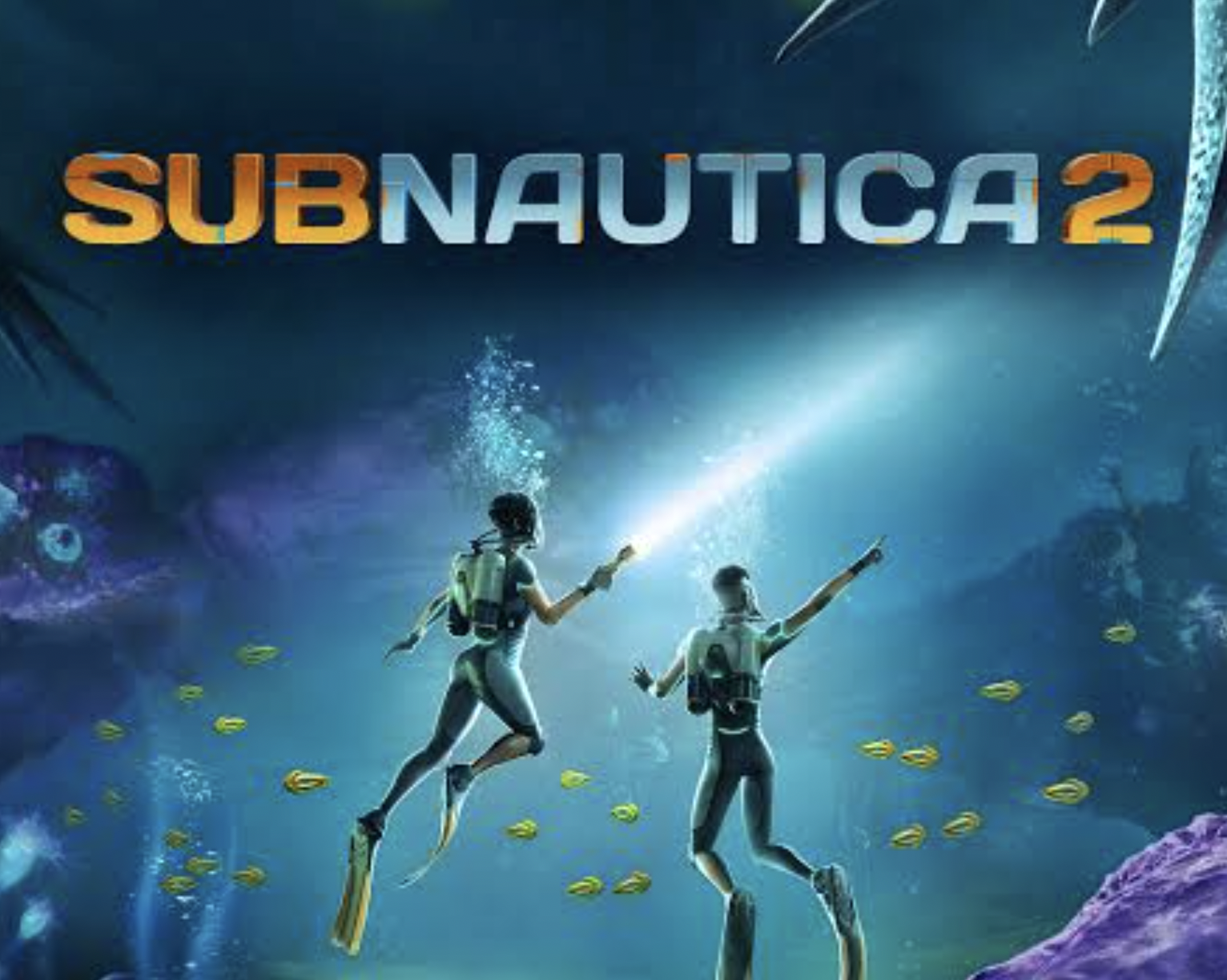
Photo: 404media.com
High-Stakes Acquisition and a Significant Bonus Clause
The convoluted dispute stems from Krafton’s 2021 acquisition of Unknown Worlds Entertainment, the acclaimed studio behind the 2018 underwater survival game, _Subnautica_. The initial purchase price for the company was $500 million, with a crucial clause promising an additional $250 million bonus to the developers if the sequel, _Subnautica 2_, achieved strong sales figures.
As _Subnautica 2_ neared its release, internal sales projections within Krafton indicated that the game was on track to meet the criteria for the substantial bonus payout. This realization reportedly led to growing tension between the publisher and the development team.
An AI-Driven Takeover Strategy and Courtroom Defeat
Faced with the prospect of paying out the hefty $250 million, Krafton CEO Changhan Kim turned to an unconventional source for a solution: ChatGPT. According to court records, Kim consulted the AI chatbot to formulate a “corporate ‘takeover’ strategy” aimed at ousting the founder of Unknown Worlds Entertainment and thereby circumventing the bonus payment. The court decision specifically noted that Kim, concerned he had agreed to a “pushover” contract, sought the AI’s assistance to “contrive” this plan.
Despite the CEO’s AI-generated strategy, a recent court ruling mandated the immediate reinstatement of the video game developer. This outcome underscores a stark lesson on relying on artificial intelligence for critical corporate maneuvers, especially when it involves overriding expert legal counsel in complex contractual matters.