TEL AVIV, Israel — In a dramatic overnight session on Monday, Israel’s parliament successfully passed the nation’s annual budget. This crucial legislative move is widely expected to allow Prime Minister Benjamin Netanyahu’s coalition government to complete its full term, extending until the autumn, thereby sidestepping the prospect of early elections.
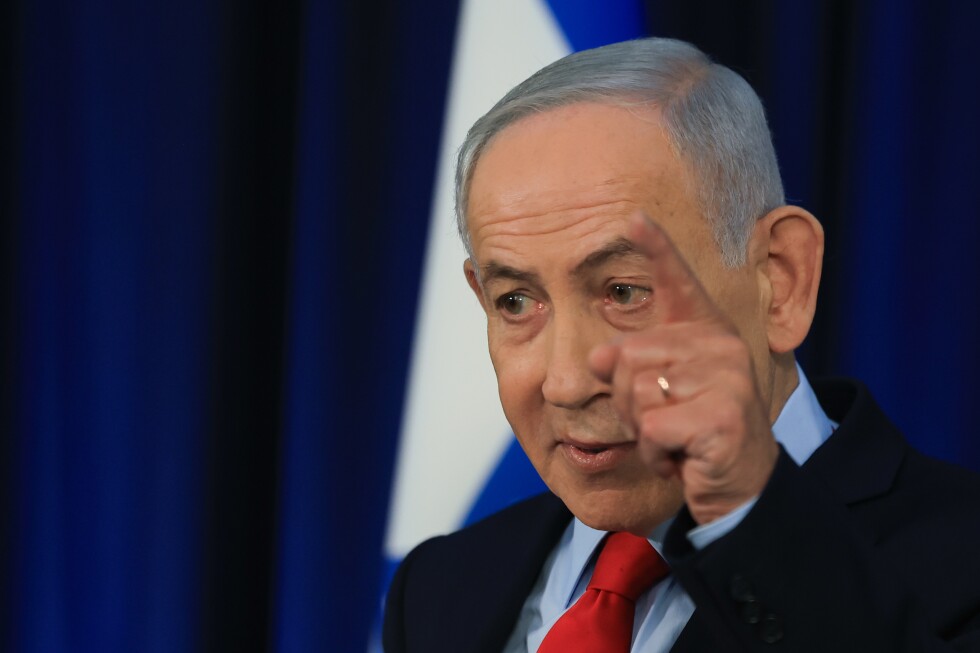
Photo: apnews.com
Averting Early Elections
The passage of the budget was imperative, as failure to do so by the April 1 deadline would have automatically triggered a snap general election. While the immediate threat of a mandated election has been removed, Prime Minister Netanyahu retains the prerogative to call for early polls if he so chooses. Historically, Israeli governments frequently do not serve their full terms, yet this budget approval now makes a complete tenure more probable for Netanyahu, despite his public approval ratings having dipped since the October 7, 2023, attack by Hamas.
The marathon session saw the budget pass with a vote of 62 to 55. Proceedings were notably interrupted three times by sirens signaling incoming missiles from Iran towards Jerusalem, forcing discussions to relocate from the main plenum to an auditorium positioned closer to a bomb shelter.
Budget Sparks Intense Opposition Criticism
The budget, Israel’s largest ever at $270 billion, immediately drew fierce condemnation from opposition parties. They criticized the allocation of increased funding to ultra-Orthodox communities, particularly at a time when the nation faces escalating expenditures from its ongoing conflict with Iran and is still grappling with the ramifications of a two-year war in Gaza.
Opposition leader Yair Lapid characterized the budget as ‘the greatest theft in the state’s history.’ Echoing this sentiment, former Prime Minister Naftali Bennett, who is widely anticipated to challenge Netanyahu in future elections, described the legislative action as a ‘nocturnal heist’ carried out by a ‘government of gluttony and evasion.’ A specific point of contention was a last-minute amendment that channeled an additional $250 million to ultra-Orthodox schools. This has intensified public frustration regarding the ultra-Orthodox community’s exemption from mandatory military service, especially as the military struggles with manpower shortages amidst heightened conflict.
Conversely, Far-right Finance Minister Bezalel Smotrich defended the budget, asserting that it ‘takes care of all Israeli citizens, without exception.’
Navigating War and Public Opinion
The comprehensive budget includes a substantial 20% increase for the Ministry of Defense, bringing its total to $45 billion, necessitated by the ongoing war against Iran. This significant boost to defense spending has consequently led to cuts in other government ministries.
Recent public opinion polls indicate that while there is widespread support among Israelis for the war effort, this sentiment does not necessarily translate into a boost for Netanyahu or his ruling coalition. The continuous daily missile attacks from Iran continue to disrupt the lives of millions of Israelis, fostering anxiety and exhaustion. Furthermore, the conflict with Hezbollah militants in Lebanon is escalating, and the disruption of oil supplies from the Persian Gulf continues to impact the global economy.
Delaying elections until the fall could offer Netanyahu an opportunity to leverage any positive momentum from the Iran war, allowing the memory of nighttime missile sirens to recede for voters. However, this timing also means elections would coincide closely with the solemn anniversary of the October 7 attack, the deadliest in Israel’s history. Meanwhile, the military has extended its wartime guidelines, restricting large gatherings and advising proximity to bomb shelters, to include at least the initial phase of the week-long Passover holiday, commencing Wednesday.