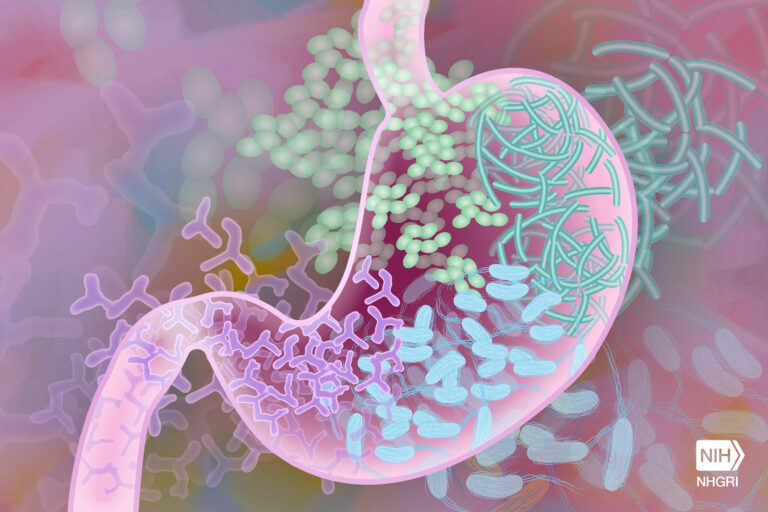
A recent pioneering study suggests that a simple, inexpensive daily supplement combining protein and prebiotics could significantly enhance cognitive abilities, specifically memory, in individuals over the age of 60. This groundbreaking research, published in 2024, highlights a compelling link between gut health and brain function, offering new avenues for supporting cognitive well-being in an aging population.
The findings are particularly noteworthy as the memory and learning tests used in the study are also instrumental in identifying early indicators of Alzheimer’s disease. The trial focused on two readily available, over-the-counter plant-fiber prebiotics: inulin, a type of dietary fructan fiber, and fructooligosaccharide (FOS), a plant carbohydrate often utilized as a low-calorie sweetener.
Investigating Cognitive Benefits Through Twin Research
Conducted by researchers at King’s College London, the double-blind trial involved 36 pairs of twins, all aged 60 or older. This unique twin-study design is invaluable for distinguishing between genetic and environmental influences on health outcomes. Each twin pair was randomly assigned, with one sibling receiving a daily prebiotic mixture in protein powder, and the other a placebo powder.
After a three-month period, the results were clear: twins who unknowingly consumed either inulin or FOS consistently demonstrated higher scores on cognitive assessments. Furthermore, these daily fiber supplements were associated with subtle yet significant shifts in the gut microbiome between the siblings. Specifically, an increase in beneficial Bifidobacterium was observed in those taking the prebiotics. Studies in animal models have indicated that Bifidobacterium can mitigate cognitive deficits by influencing the intricate connections of the gut-brain axis.
Mary Ni Lochlainn, a geriatric medicine researcher at King’s College London, expressed enthusiasm about the findings, stating, “We are excited to see these changes in just 12 weeks. This holds huge promise for enhancing brain health and memory in our aging population.” She emphasized the potential of understanding the gut-brain axis to unlock new strategies for promoting healthier longevity.
The Gut-Brain Axis: A Deeper Connection
Prebiotics are non-digestible dietary components that nourish and stimulate the growth of beneficial microorganisms in the gut. The human gut microbiome, a complex ecosystem of microbes, is increasingly recognized for its profound influence on various bodily systems, including the brain.
Photo: sciencealert.com
Accumulating evidence consistently points to a strong, bidirectional relationship between the gut and the brain, often referred to as the ‘second brain’.
Past research, particularly in rodents, has shown that high-fiber supplements like inulin and FOS can ‘feed’ the colon’s microbiome, fostering the proliferation of ‘good’ bacteria. Some of these bacterial species have been linked to improved cognitive function in both animal and human studies. The growing body of knowledge on the gut-brain connection extends to conditions like Alzheimer’s, Parkinson’s disease, multiple sclerosis, and even autism, suggesting a broad impact of gut health on neurological well-being.
For instance, recent research from 2025 indicated that an imbalance in gut bacteria, specifically a lower ratio of Bifidobacterium to Akkermansia, is associated with more severe multiple sclerosis in both humans and mice. Another 2025 study, also led by King’s College London, explored why women might develop Alzheimer’s at twice the rate of men, linking it to elevated midlife levels of low-density lipoprotein, which transports cholesterol and fatty acids throughout the body. These insights further underscore that cognitive decline may not solely be a disease of the brain but can be influenced by external, systemic factors originating from the gut.
Future Directions and Considerations
While the initial results are promising, suggesting that certain dietary fibers could offer an accessible and affordable strategy for addressing cognitive decline, researchers acknowledge the need for further investigation. Geriatrician Claire Steves from KCL noted, “These plant fibers, which are cheap and available over the counter, could benefit a wide group of people in these cash-strapped times. They are safe and acceptable too.”
However, she also highlighted that the next steps involve examining whether these positive effects are sustainable over longer durations and across larger, more diverse participant groups. It is also important to note that while the prebiotics improved aspects of cognitive function like memory and processing speed, the study did not observe significant physical benefits, such as improvements in muscle loss among the aging twins, despite the known role of inulin and FOS in musculoskeletal maintenance.
The study primarily involved female participants, and while adjustments were made for sex differences, the researchers recognize the potential for selection bias. Nevertheless, the findings offer a compelling glimpse into how modulating our gut microbiome could serve as a valuable tool for supporting brain health and memory as we age, opening the door for new, cost-effective interventions.