The U.S. dollar is currently trading near a 10-month high, poised for its most significant monthly gain since July of last year. This robust performance comes as geopolitical tensions in the Middle East persist, with conflicting signals from Iran and the United States dampening hopes for a swift resolution to the ongoing conflict.
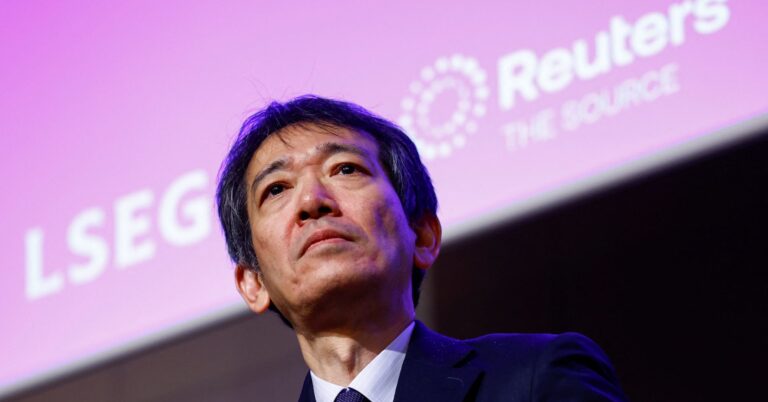
Photo: reuters.com
Reports indicate that U.S. President Donald Trump has described Iran’s current leadership as “very reasonable,” even as additional American troops arrive in the region and Tehran issues warnings against any perceived humiliation. The prolonged uncertainty in the Middle East has notably impacted global markets, particularly with the Strait of Hormuz, a critical passageway for a fifth of the world’s oil and gas, facing disruptions. This has contributed to Brent crude prices nearing a record monthly increase.
Geopolitical Undercurrents Bolster Dollar’s Safe-Haven Appeal
Since early March, the dollar has consistently benefited from its status as a safe-haven asset. Rising oil prices, while detrimental to economies like Japan and the Eurozone, have paradoxically insulated the United States, given its position as a net crude exporter. The U.S. dollar index, currently stable around 100.19, previously touched 100.54 mid-month, marking its highest point since May 2025 and setting it on track for its most substantial monthly surge since July 2025.
Market analysts, including Barclays, suggest that dollar sentiment is approaching “max bullish” levels across various traditional indicators, such as growth proxies, rate differentials, and beta indicators. Experts like Chris Weston, head of research at Pepperstone, advise investors to “sell rallies in risk and maintain volatility hedges” in the current environment. The market is keenly awaiting upcoming U.S. jobs data, which will be crucial in shaping expectations for the Federal Reserve’s monetary policy trajectory, especially following a weaker February jobs report and a month of regional conflict, as highlighted by Bob Savage of BNY.
Currency Dynamics: Yen’s Struggle and Euro’s Resilience
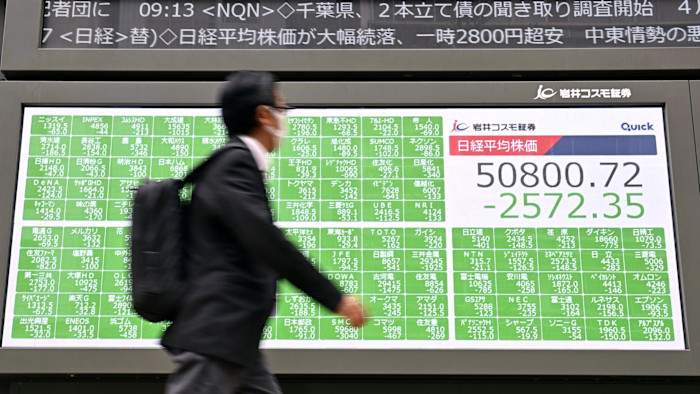
The Japanese yen has been under significant pressure, hovering near the critical 160 per-dollar mark. After reaching its weakest point since July 2024 – the last time Tokyo intervened to support the currency – the yen recently firmed slightly to 159.65 after touching 160.47 in Asian trading. This reversal occurred as Japan intensified its threats of currency intervention and hinted at the possibility of a near-term interest rate hike to counter further depreciation. The yen has shed over 2% in March, largely due to concerns over higher oil prices.
Conversely, the euro has found some support despite facing headwinds. Trading around $1.15, the single currency is set for a 2.5% decline in March, representing its steepest monthly drop since July. However, market expectations for European Central Bank (ECB) rate hikes by year-end have provided a floor. This marks a significant shift from pre-conflict sentiment, when there was over a 50% chance of a rate cut. According to Thu Lan Nguyen, head of forex and commodity research at Commerzbank, the euro/dollar pair would have seen a much sharper decline without the market’s anticipation of an activist ECB.
Other currencies also felt the strain, with the Australian dollar weakening by 0.3% to $0.6851, heading for a 3.8% monthly decrease – its steepest since December 2024. The New Zealand dollar also saw a 0.4% dip to $0.57275, recording a 4.4% fall in March.