The common European currency is set to conclude its most challenging quarter since 2024, as ongoing geopolitical instability in the Middle East underscores Europe’s critical reliance on imported energy and casts a pall over the continent’s economic future. This vulnerability has led to a significant surge in demand for safeguarding against euro depreciation, reaching a four-year high earlier this month.
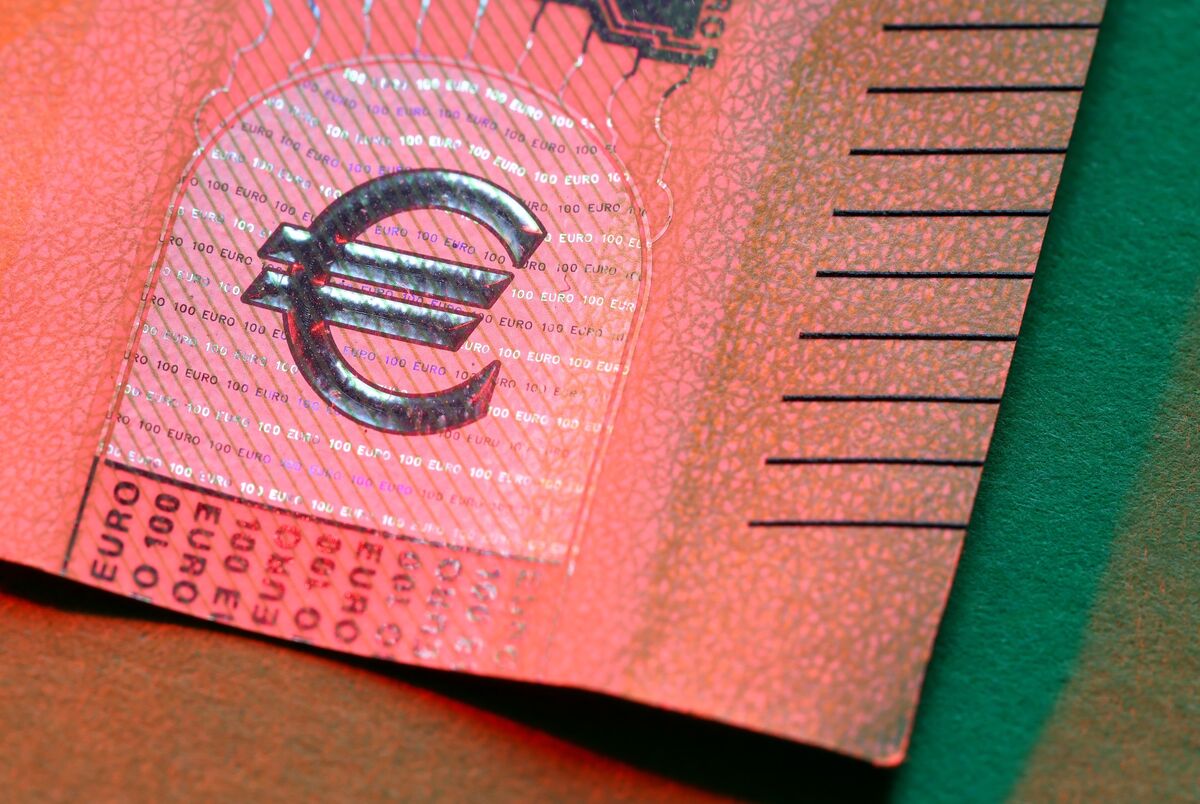
Photo: bloomberg.com
A Significant Market Reversal
Currently trading around $1.15, the euro has experienced an approximate 2% depreciation this quarter. March alone saw the currency lose about 2.5% against the US dollar, marking its most substantial monthly drop since July. This downturn represents a stark reversal from the optimistic sentiment observed in late January, when the euro surged past the $1.20 mark, reaching its strongest valuation in nearly five years.
Geopolitical Tensions and Economic Outlook
The escalating conflict in the Middle East has intensified concerns regarding global oil supplies and prices, directly impacting Europe’s economic stability due to its heavy dependence on external energy sources. This ‘oil shock’ scenario has contributed significantly to the euro’s weakening trajectory, as investors weigh the potential for higher inflation, reduced consumer spending, and dampened economic growth across the Eurozone. The currency’s performance reflects a broader market apprehension about the region’s resilience in the face of persistent energy price volatility and wider geopolitical risks.