
Travelers heading to European destinations may have recently encountered longer queues and fresh biometric screening procedures at border control points. These changes are a direct result of the European Union’s new Entry/Exit System (EES), designed to meticulously record the movements of all non-EU visitors, regardless of visa requirements. While the system aims to enhance security, it has unfortunately led to significant processing delays, prompting authorities to explore solutions like a new mobile application designed to streamline the process.
Understanding Europe’s Evolving Border Control
The EU’s Entry/Exit System represents a significant shift in how non-EU nationals are processed at the bloc’s external borders. Launched in October 2025, the EES mandates the collection of biometric data, including fingerprints and facial images, from all non-EU citizens entering or exiting the Schengen Area. This comprehensive system is intended to register every movement, replacing the traditional passport stamping method. However, its implementation has not been without challenges.
Since its rollout, the EES has contributed to substantial increases in wait times at border crossings. Industry bodies such as Airports Council International Europe, Airlines for Europe (A4E), and the International Air Transport Association (IATA) have voiced concerns, reporting delays of two to three hours. ACI Europe specifically highlighted that the EES has exacerbated border control queues by up to 70 percent, raising fears that peak summer travel in July and August 2026 could see waits extending to four hours or more. This situation has led to urgent calls for a system review before the busy travel season commences.
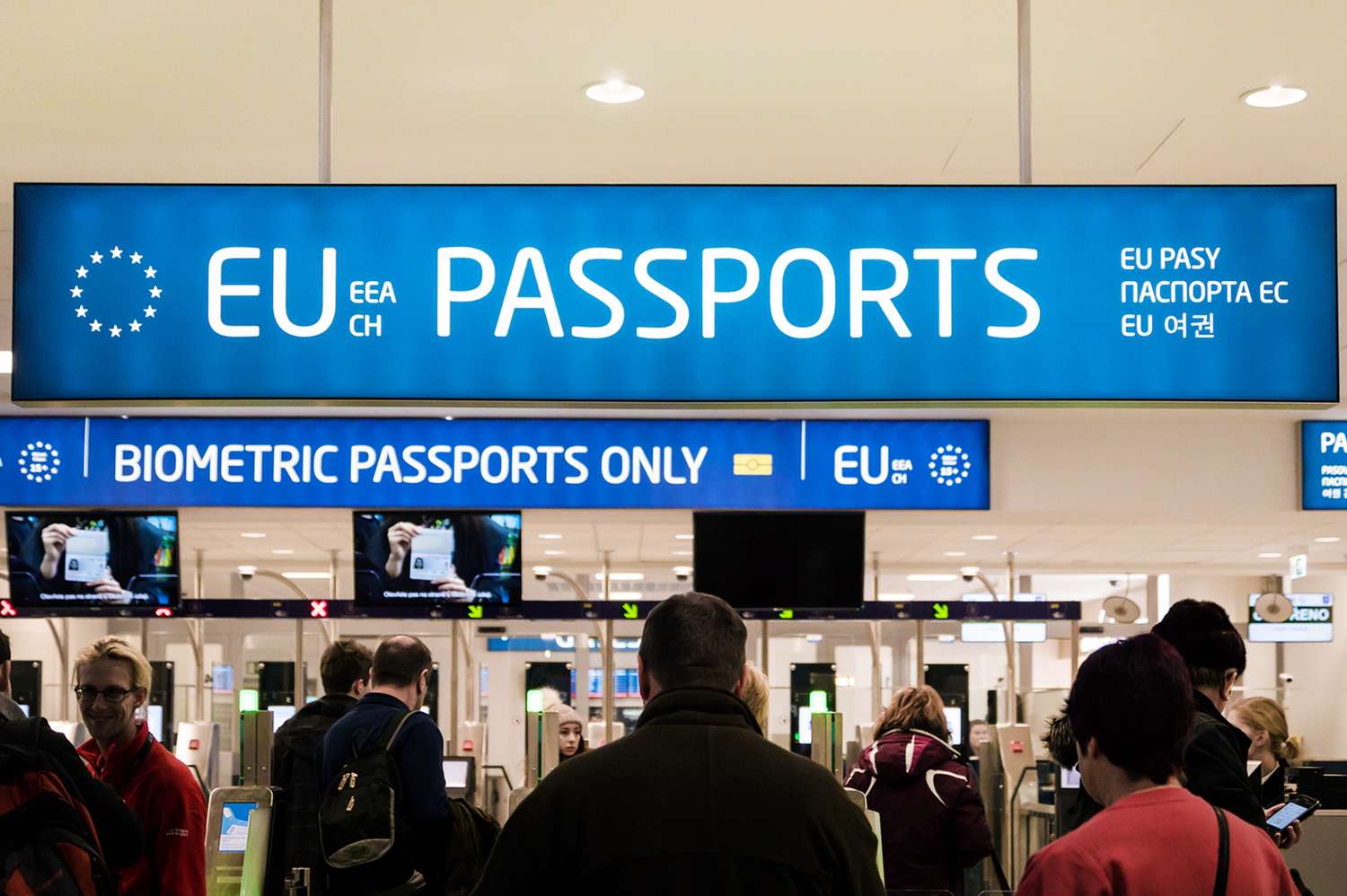
Photo: travelandleisure.com
Streamlining Your Journey with the “Travel to Europe” App
In response to these emerging bottlenecks, the EU has introduced the ‘Travel to Europe’ mobile app, a potential game-changer for non-EU travelers holding biometric passports. This innovative application allows visitors to upload their passport data and a facial image up to 72 hours before their arrival or departure. Additionally, users can complete pre-arrival questionnaires, significantly reducing the administrative burden at physical border checkpoints.
Sweden has emerged as a frontrunner in adopting the app’s full capabilities, enabling travelers to pre-submit both biometric data and entry questionnaires. Portugal has also integrated the app, although currently its functionality is limited to pre-filling entry questionnaires. While using the app is not mandatory, it is designed to expedite the border control experience, making the process smoother and faster without replacing the need for physical checks. Travelers are advised to consult the official Travel to Europe webpage prior to their journey to ascertain which countries support the app and the specific functionalities available.
Anticipating Future Changes and Preparing for Your Trip
The travel landscape for non-EU visitors to Europe is set for further evolution. Following the successful stabilization of the EES, the European Travel Information and Authorisation System (ETIAS) is slated for launch in the latter half of 2026. ETIAS will introduce a mandatory electronic travel authorization for citizens of visa-exempt countries, including the United States. This waiver will involve a nominal fee and will be valid for three years or until the associated passport expires, whichever comes first.
Given the current delays and the impending changes, travelers flying through Europe should plan for contingencies, allowing at least four hours of transit time to account for potential border control queues. Staying informed about the latest developments regarding the EES, the ‘Travel to Europe’ app, and the upcoming ETIAS system will be crucial for a seamless European travel experience.