
European Union travelers are currently facing extended wait times at border controls due to the recently implemented EU Entry/Exit System (EES). However, a novel mobile application is emerging as a potential solution to help streamline the process for international visitors.
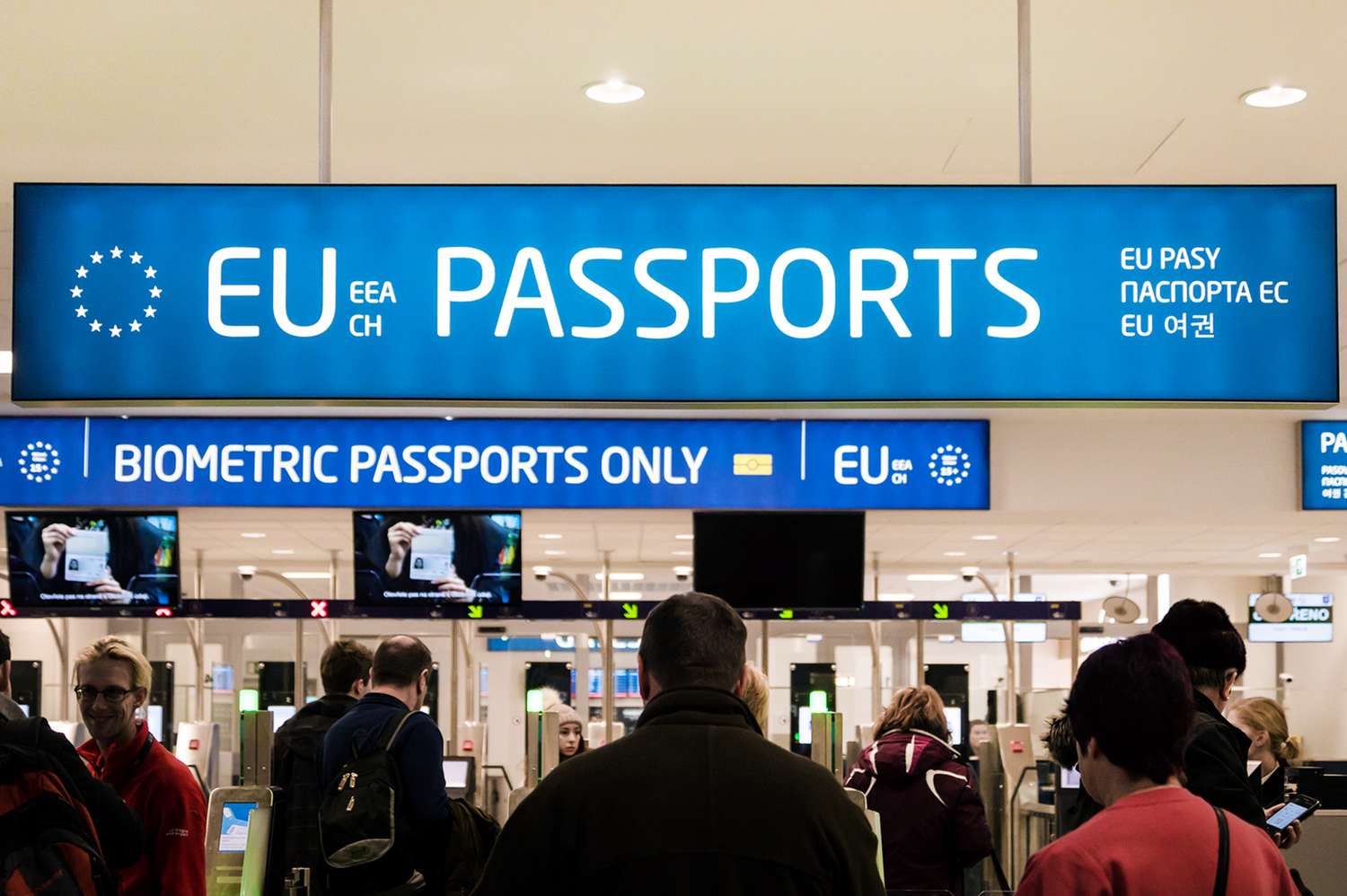
Photo: travelandleisure.com
Visitors to Europe have likely observed the introduction of new biometric checks at border crossings, including requirements for fingerprints and facial photographs. These procedures are integral to the new European Union Entry/Exit System (EES), which meticulously logs the entry and exit of all non-EU citizens, regardless of their visa status.
Addressing Border Bottlenecks with Digital Solutions
The EES, launched in October 2025, has regrettably led to significant travel disruptions. Industry bodies such as Airports Council International Europe, Airlines for Europe (A4E), and the International Air Transport Association (IATA) have jointly urged the EU to review the system promptly, especially before the onset of the busy summer travel season. Reports indicate wait times of two to three hours at border control since the system’s inception, with some assessments suggesting delays have surged by up to 70 percent. There’s considerable apprehension that these queues could escalate to four hours during the peak months of July and August 2026. Travelers passing through Europe are now advised to allocate at least four hours of buffer time to mitigate the risk of missing connecting flights.
Introducing the “Travel to Europe” Mobile Application
In an effort to alleviate these burgeoning delays, Sweden has taken a leading role by becoming the first nation to fully integrate the new EU ‘Travel to Europe’ mobile app. This innovative application allows non-EU visitors bound for Sweden to digitally submit their passport details and a facial image up to 72 hours prior to their arrival or departure. Additionally, travelers can complete their entry questionnaire in advance, further streamlining the process.
While Portugal has also adopted the app, its current functionality is limited to pre-filling the entry questionnaire, without the option to upload passport data or photos. The app’s features may vary across participating countries as more nations roll out its usage under the EES framework. Before embarking on a journey, prospective travelers should consult the official ‘Travel to Europe’ webpage to ascertain which countries support the app and what functionalities are available.
Primarily designed for non-EU nationals holding biometric passports, the ‘Travel to Europe’ app is optional. However, utilizing it can significantly expedite passage through border control. It’s important to note that the app serves as an aid to the existing border control process, rather than a replacement, aiming to ensure a smoother and quicker experience.
Upcoming Changes: The ETIAS System
Beyond the current EES developments, travelers should also prepare for the forthcoming European Travel Information and Authorisation System (ETIAS). Anticipated to launch in late 2026, contingent on the successful implementation of the EES, ETIAS will introduce an electronic travel authorization requirement for non-EU visitors. This system will be mandatory for citizens from countries like the United States. The ETIAS visa waiver will involve a modest fee and will remain valid for three years, or until the traveler’s associated passport expires, whichever comes first.