The Federal Bureau of Investigation (FBI) has publicly confirmed its ongoing practice of acquiring commercially available location data pertaining to American citizens. This admission, made by FBI Director Kash Patel during a recent Senate Intelligence Committee hearing, has ignited a fervent debate in Washington over the permissible extent of law enforcement’s access to personal digital information without a court order.
The Bureau’s Stance and Legislative Challenges
During his testimony, Director Patel unequivocally defended the FBI’s acquisition of location data from private vendors, characterizing it as both lawful and essential for national security operations. He cited compliance with the Electronic Communications Privacy Act as the legal basis for these activities, noting that the data has “led to some valuable intelligence for us.” Crucially, Patel signaled that the bureau has no current plans to discontinue these purchases, a position that drew immediate and sharp criticism from several senators who argue it compromises constitutional protections.
Senator Ron Wyden, an Oregon Democrat and a vocal proponent of privacy rights, strongly condemned the FBI’s approach. Wyden asserted that purchasing location data without a warrant constitutes an “outrageous end run around the Fourth Amendment,” especially given the growing use of artificial intelligence to sift through vast quantities of personal information. He urged Congress to pass the Government Surveillance Reform Act, a bipartisan legislative effort designed to close such perceived loopholes in surveillance laws.

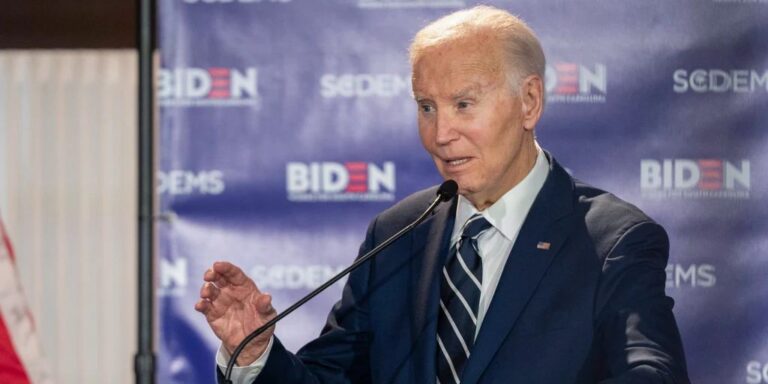
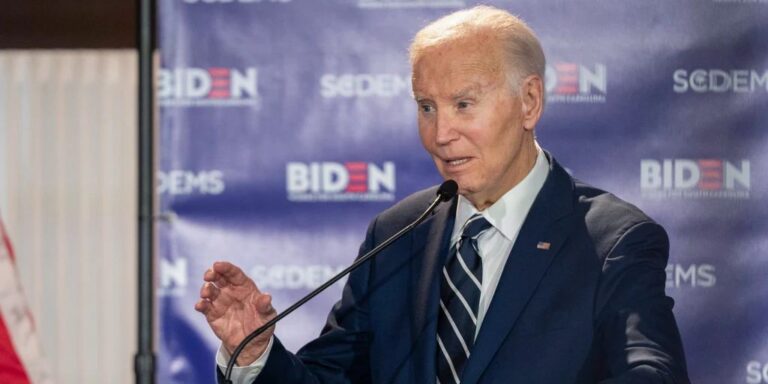
Photo: techspot.com
Navigating the Legal Landscape of Data Acquisition
The contentious issue of commercial location data traces its origins to the Supreme Court’s 2018 ruling in *Carpenter v. United States*. This landmark decision stipulated that law enforcement agencies must obtain a warrant to acquire mobile phone location data directly from wireless carriers. However, the *Carpenter* ruling did not explicitly address or restrict the acquisition of location information sold by commercial data brokers, a distinction that has become increasingly pertinent as online advertising and analytics firms routinely trade immense volumes of geolocation records.
Critics contend that whether government agents directly request data from carriers or simply purchase it from brokers, the ultimate outcome is identical: officials gain the ability to track individuals’ movements. This, they argue, renders the legal difference largely semantic. Conversely, some lawmakers, including Senate Intelligence Committee Chair Senator Tom Cotton of Arkansas, voiced support for the bureau’s strategy. Senator Cotton highlighted the “commercially available” nature of the data, suggesting that information already accessible on the open market should not be subject to the same protections as data held by phone providers.
Ongoing Debate on Privacy and Oversight
The division among lawmakers reflects a broader, unresolved tension in Washington concerning the proper balance between safeguarding national security and upholding digital privacy. The evolving landscape of technology, including the use of spyware, the application of AI for pattern recognition, and the ready availability of real-time location data from brokers, underscores a significant regulatory vacuum that needs addressing.
Despite the legislative pushback during the hearing, Director Patel’s comments suggest that the FBI is unlikely to alter its current practices regarding the purchase of commercial location data. For the time being, the agency maintains that acquiring commercially available information falls within its legal authority, even as lawmakers continue to caution that the line between commercial transactions and government surveillance is becoming increasingly indistinct.