A heated debate has once again erupted in Washington regarding the extent of government surveillance, following the FBI’s confirmation that it procures Americans’ location data from commercial vendors. This practice allows the bureau to track individuals’ movements with a level of detail previously only accessible through telecommunication carriers and typically requiring a court order.

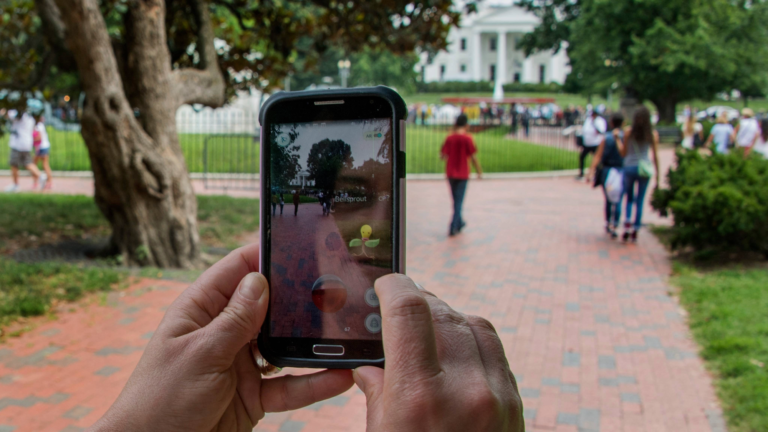
Photo: techspot.com
FBI’s Defense and Congressional Pushback
During a recent Senate Intelligence Committee hearing, FBI Director Kash Patel acknowledged the bureau’s acquisition of location data from private companies. Patel vigorously defended this method as both lawful and integral to national security operations, asserting its compliance with the Electronic Communications Privacy Act.
Director Patel stated that the intelligence gathered through these data purchases has proven “valuable” but gave no indication that the agency intends to halt the practice. This refusal drew sharp criticism from several lawmakers, who contend that such actions undermine fundamental constitutional protections.
Senator Ron Wyden, a Democrat from Oregon and a vocal proponent of privacy rights, lambasted the FBI’s approach as a blatant circumvention of the Fourth Amendment. He highlighted the particular danger posed by combining this data acquisition with artificial intelligence tools designed to sift through vast quantities of personal information. Wyden urged the passage of the bipartisan Government Surveillance Reform Act, designed to close these perceived legal gaps.
The Legal Loophole: Commercial Data vs. Constitutional Rights
The controversy stems from the Supreme Court’s landmark 2018 decision in *Carpenter v. United States*. That ruling mandated law enforcement to obtain a warrant before acquiring mobile phone location data directly from phone service providers. However, the ruling did not explicitly address location information sold by commercial data brokers—a distinction that has become increasingly significant as advertising and analytics firms amass and trade extensive geolocation records.
Critics argue that by purchasing this data, the FBI effectively bypasses the warrant requirement applicable to phone companies. For many, the distinction is merely semantic: whether the government requests the data or buys it, the outcome remains the same—officials can monitor individuals’ whereabouts without judicial oversight.
Conversely, some legislators, including Committee Chair Sen. Tom Cotton of Arkansas, defended the bureau’s actions. Cotton framed the issue not as one of overreach but of market availability, arguing that data already on the “commercially available” market should not be subject to additional protections.
Ongoing Debate and Future Implications
This division in Washington underscores a broader philosophical struggle to balance national security imperatives with individual digital privacy rights. The ongoing debates surrounding spyware, the utilization of artificial intelligence for pattern recognition, and the ready availability of real-time location data from brokers all point to a significant regulatory void in the digital age.
Despite the considerable pushback from senators during the hearing, Director Patel’s remarks suggest that the FBI is unlikely to alter its current practices regarding commercially purchased data. For the foreseeable future, the agency maintains that acquiring such information falls within its legal authority, even as lawmakers continue to warn that the boundary between legitimate commerce and unchecked surveillance is rapidly eroding.