Amid escalating fuel costs driven by the ongoing conflict in the Middle East, the federal government has announced a temporary halving of the fuel excise. While intended to provide immediate financial relief to Australian motorists, economists are cautioning that this measure could inadvertently prolong inflationary pressures and potentially lead to further interest rate hikes by the Reserve Bank.
Government Moves to Ease Petrol Pain
Starting tomorrow, the tax applied to every litre of petrol and diesel will be reduced by half for a period of three months. This means drivers are expected to see a saving of approximately 26.3 cents per litre at the pump. Treasurer Jim Chalmers estimates that for a typical 65-litre fuel tank, this cut translates to a saving of around $19, offering a tangible reprieve to household budgets strained by rising prices and shortages across the country.
Prime Minister Anthony Albanese defended the decision, stating the government’s understanding of the “serious pressure” Australians are facing. However, he also encouraged the use of public transport to help manage fuel demand for essential industries.
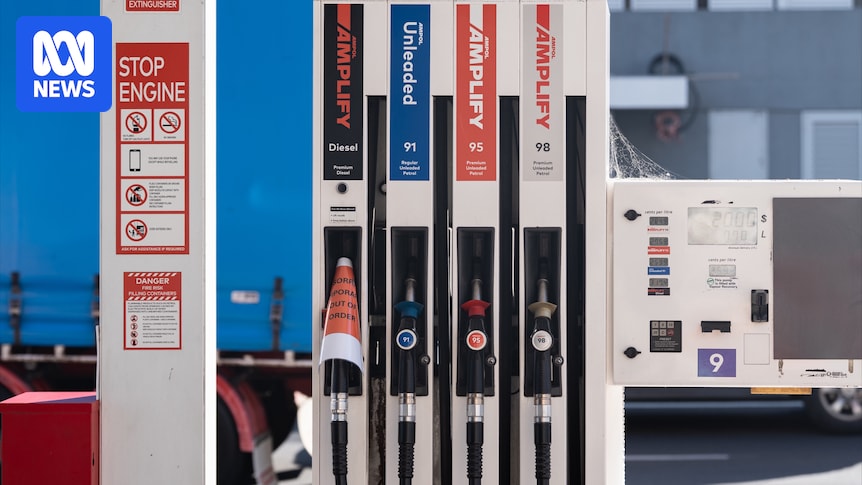
Photo: abc.net.au
Economic Headwinds and Interest Rate Implications
Despite the immediate benefits for consumers, economic experts are raising concerns about the broader impact. Independent economist Saul Eslake described the move as “not good economics,” suggesting it might be “good politics” but carries significant risks. He argues that by making fuel cheaper, the government risks stimulating demand at a time when shortages are already an issue and inflation remains above the Reserve Bank’s target.
Economist Chris Richardson echoed these sentiments, warning of a “sting in the tail.” He believes that by injecting more money into the economy through cheaper fuel, the government could “keep inflation higher for longer.” This increased economic activity could then prompt the Reserve Bank to consider another interest rate increase when it next convenes in May, potentially leaving Australians worse off in the long run. Richardson further noted that the government appears to be repeating a strategy from the 2022 Ukraine war response, which he believes prolonged inflation.
A similar excise cut was implemented for six months in 2022 following the conflict in Ukraine. At that time, the Australian Competition and Consumer Commission (ACCC) noted that the savings were largely passed on to motorists, albeit with a lag of about six weeks.
Relief for the Transport Sector and Broader Fiscal Considerations
In addition to the consumer-focused fuel excise reduction, the government also announced a temporary cut to the heavy vehicle road user charge. For three months, trucking operators will no longer pay the 32.4 cents per litre charge. Furthermore, a planned increase to this charge has been postponed for six months. This measure is specifically aimed at assisting the transport and logistics industry, which has been particularly hard hit by soaring fuel expenses.
Andrew McKellar, Chief Executive of the Australian Chamber of Commerce and Industry, welcomed the removal of the road user charge, highlighting its importance in helping trucking operations sustain their crucial role in delivering essential goods nationwide. However, McKellar expressed more caution regarding the general fuel excise cut, noting that it could send a signal that “it is OK to consume more,” running counter to the need to manage demand.
Treasurer Jim Chalmers stated that these combined measures represent “targeted” and “responsible” cost-of-living relief, designed to alleviate pressure on household budgets. The federal budget, due in just over six weeks, will reflect the financial implications of these decisions, with the excise and road user charge cuts estimated to cost the government approximately $2.55 billion, plus an additional $53 million from deferring the road user charge increase.
The Coalition, which had previously advocated for similar cuts, welcomed the announcement. Opposition Leader Angus Taylor described it as “overdue relief” that would ease cost-of-living pressures and maintain supply chain momentum, particularly ahead of Easter. He suggested that fuel demand would only be moderately affected, increasing by 1-2 percent at most.
However, economist Chris Richardson contended that the absence of offsetting measures to remove money from the economy elsewhere is “the missing link.” He suggested that while the government’s actions appear helpful to the public, the true long-term economic impact might be less beneficial than perceived.