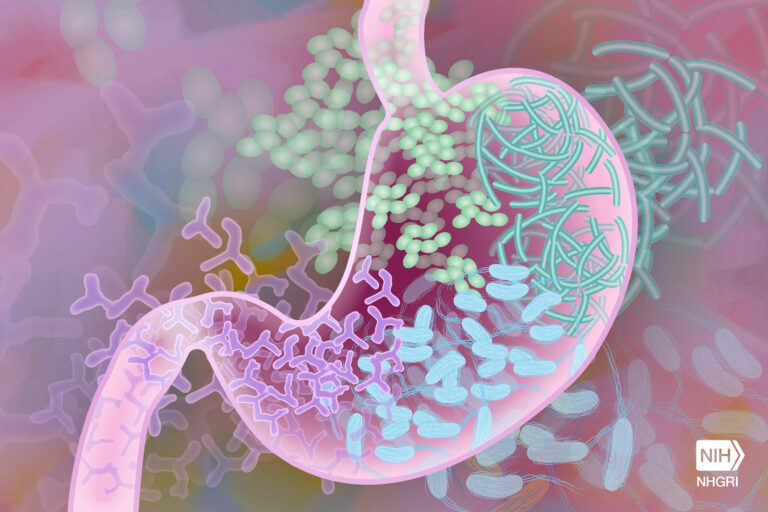
For an extended period, scientists have investigated the intricate relationship between our gut and brain, suspecting its significant influence on the onset and progression of Parkinson’s disease. New research has substantially bolstered this theory, pinpointing specific gut microorganisms implicated in the condition and linking their activity to reduced levels of essential B vitamins: riboflavin (B2) and biotin (B7).
This revelation offers a surprisingly straightforward therapeutic avenue: targeted B vitamin supplementation. Dr. Hiroshi Nishiwaki, a medical researcher at Nagoya University in Japan, commented on the study’s findings, stating, “Supplementation therapy targeting riboflavin and biotin holds promise as a potential therapeutic avenue for alleviating Parkinson’s symptoms and slowing disease progression.”
Parkinson’s, a debilitating neurodegenerative disorder, affects approximately 10 million individuals worldwide. Current treatments primarily focus on mitigating symptoms and slowing the disease’s advancement. The initial symptoms, such as chronic constipation and sleep disturbances, can manifest up to two decades before the more severe neurological decline, including dementia and profound loss of muscle control, becomes apparent.
Unraveling the Gut-Brain Pathway
Prior studies had already established that alterations in the gut microbiome precede the overt clinical signs of Parkinson’s. Building on this, Nishiwaki and his team conducted an in-depth analysis of fecal samples from 94 Parkinson’s patients and 73 healthy control subjects in Japan. They then cross-referenced these results with data gathered from similar populations in China, Taiwan, Germany, and the United States.
Despite variations in the specific bacterial species identified across different geographical groups, a consistent pattern emerged: all observed microbial changes impacted the body’s pathways responsible for synthesizing B vitamins. Critically, the researchers discovered that the altered gut bacterial communities in Parkinson’s patients correlated directly with diminished levels of riboflavin and biotin.
Photo: sciencealert.com
Further investigation revealed that this deficiency in B vitamins was, in turn, associated with a reduction in short-chain fatty acids (SCFAs) and polyamines. These crucial molecules are vital for maintaining a robust and healthy mucus layer within the intestines. Dr. Nishiwaki elaborated, “Deficiencies in polyamines and SCFAs could lead to thinning of the intestinal mucus layer, increasing intestinal permeability, both of which have been observed in Parkinson’s disease.”
From Gut Barrier to Neurological Impact
The prevailing hypothesis is that a compromised and thinned intestinal protective layer renders the enteric nervous system more vulnerable to environmental toxins, which are increasingly prevalent in our daily lives. These harmful substances include various cleaning chemicals, pesticides, and herbicides.
Exposure to such toxins is believed to trigger the excessive production of α-synuclein fibrils – protein aggregates known to accumulate in the dopamine-producing cells located in the substantia nigra region of the brain. This process, coupled with increased inflammation within the nervous system, ultimately leads to the characteristic motor difficulties and cognitive decline associated with Parkinson’s.
The potential for B vitamins to intervene in this damaging cascade is promising. A study from 2003, for instance, indicated that high doses of riboflavin could aid in the recovery of some motor functions in patients who also adopted a red meat-free diet. Consequently, Nishiwaki and his colleagues propose that substantial doses of B vitamins might help avert some of the neurological damage associated with Parkinson’s. This line of reasoning also suggests that cultivating a healthy gut microbiome and actively reducing exposure to environmental pollutants could play a significant protective role.
The Expanding Influence of the Microbiome
The scientific community continues to uncover the profound and multifaceted ways in which our gut bacteria influence overall health. The composition of this internal ecosystem is dynamic, shaped by numerous factors including diet, age, and sleep quality. For example, recent findings explain why individuals respond differently to the same diets, pointing to methane-producing gut microbes that efficiently extract more energy from high-fiber foods.
In 2025, scientists in China and the U.S. established a link between gut bacteria and the risk of insomnia. Furthermore, research conducted this year revealed that certain gut bacteria possess the remarkable ability to absorb and store perfluoroalkyl and polyfluoroalkyl substances (PFAS), commonly known as ‘forever chemicals,’ which persist in the environment for extended periods. As University of Cambridge molecular biologist Kiran Patil explained, “We found that certain species of human gut bacteria have a remarkably high capacity to soak up PFAS from their environment at a range of concentrations, and store these in clumps inside their cells.” Theoretically, enhancing these specific microbes could potentially mitigate the detrimental health effects of PFAS.
While the gut microbiome’s influence is undeniably crucial, it is typically one component within a broader constellation of factors contributing to complex conditions like Parkinson’s. Given the intricate web of events involved in the disease’s development, it is improbable that all patients experience identical root causes, underscoring the necessity for personalized medical assessments.
Dr. Nishiwaki envisions a future where clinicians could perform comprehensive gut microbiota or fecal metabolite analyses on patients. “Using these findings, we could identify individuals with specific deficiencies and administer oral riboflavin and biotin supplements to those with decreased levels, potentially creating an effective treatment,” he concluded. This pioneering research was published in the journal *npj Parkinson’s Disease*.