The precise timeline for the redeployment of Immigration and Customs Enforcement (ICE) agents away from national airports, a move intended to advance President Donald Trump’s broader deportation strategies, remains ambiguous, according to the administration’s top border official.
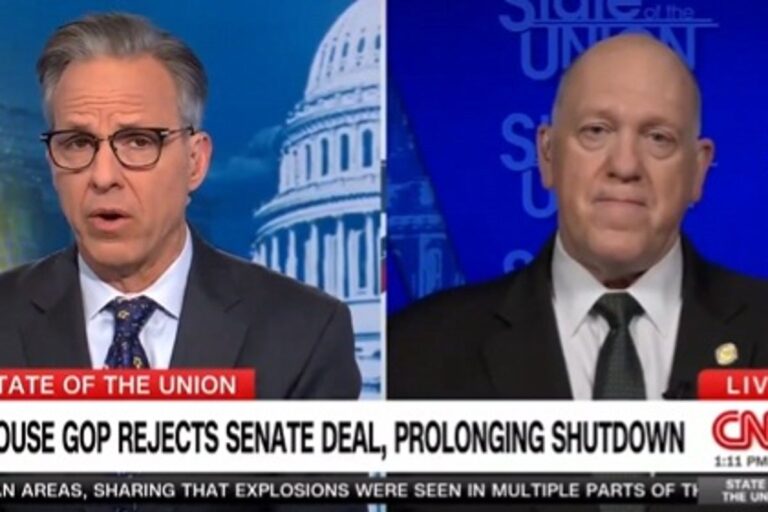
During an appearance on CNN’s _State of the Union_, Tom Homan indicated that ICE agents would only be withdrawn from airport assignments once the operational strain on Transportation Security Administration (TSA) personnel, exacerbated by the ongoing Department of Homeland Security (DHS) shutdown, had significantly eased.
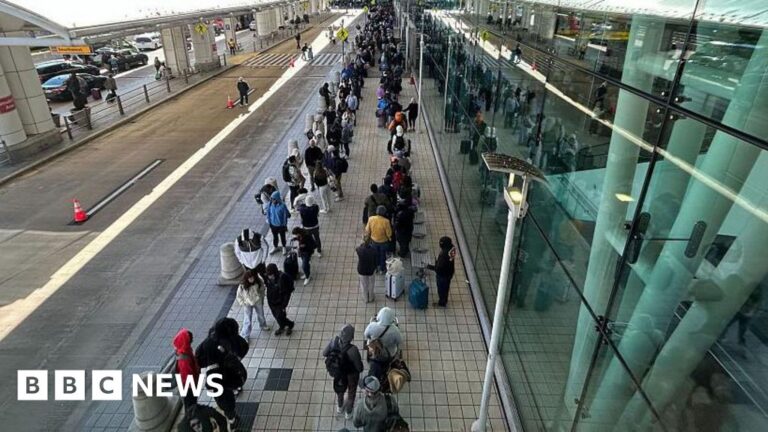
Currently, the government shutdown is causing substantial, albeit inconsistent, delays at various airports nationwide, leading to unpredictable wait times for travelers.
Homan attributed this pressure to hundreds of TSA agents resigning or refusing to report for duty without pay. He suggested that even after the shutdown concludes, the reduced workforce could continue to burden the remaining TSA staff.
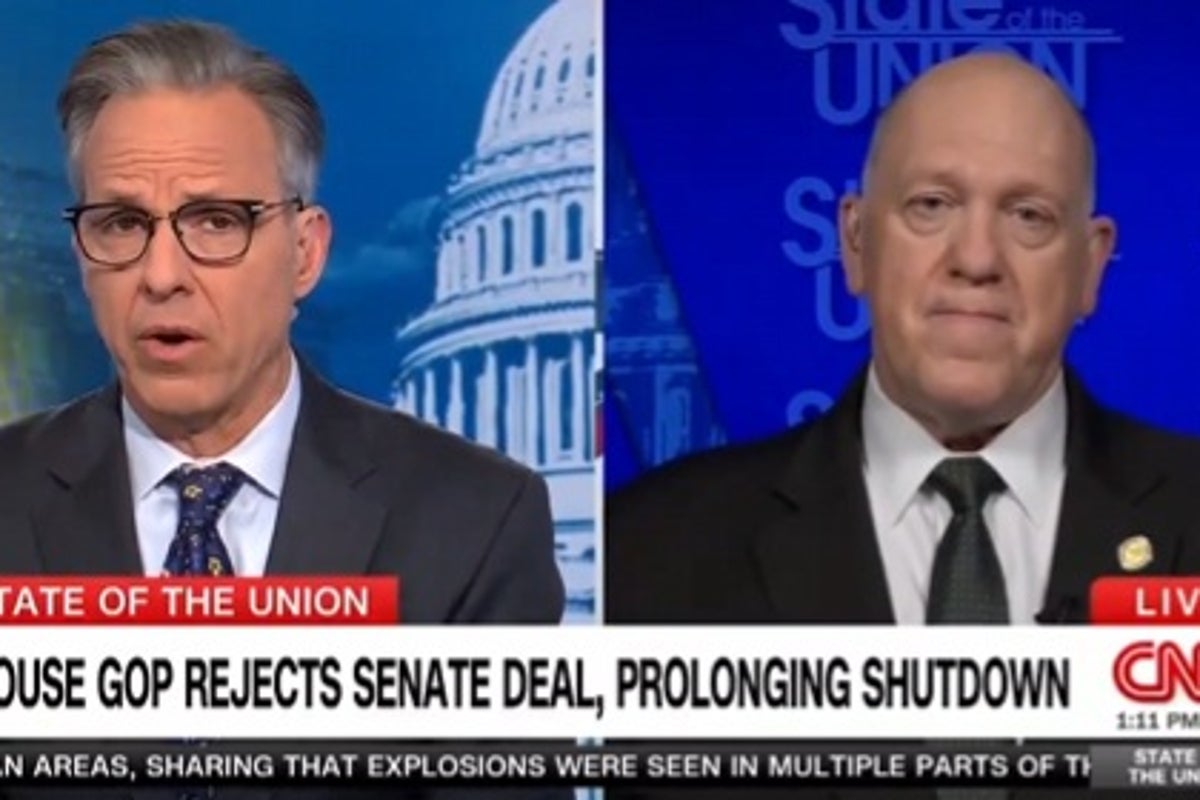
Photo: independent.co.uk
“We’ll see. It depends how many TSA agents come back to work, how many TSA agents have actually quit and have no plans [on] coming back to work,” Homan stated in an interview with Jake Tapper.
Legislative Impasse and Demands for ICE Reform
Lawmakers departed Washington on Friday without reaching an agreement to resolve the DHS shutdown, which has now entered its second month with no clear path to resolution between Republicans and Democrats.
Democrats are pushing for a series of reforms to ICE before they will consent to further funding for the agency’s operations. Some progressive members are even advocating against any further funding for ICE, citing concerns following incidents earlier this year in Minnesota where two Americans were killed by DHS agents.
Proposed reforms include mandating that ICE agents operate without masks in the field, ceasing unannounced roving enforcement operations, and requiring agents to obtain judicial warrants prior to searching private property.
Last week, the Senate unanimously passed legislation to fund DHS for the remainder of the fiscal year, explicitly excluding ICE operations. This bill was subsequently rejected by House leadership.
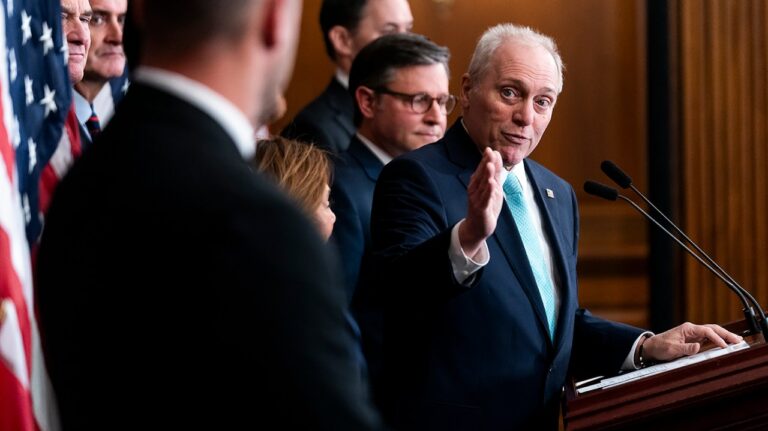
Members of the House of Representatives left the capital after passing their own bill, which would fund the entire DHS for an eight-week period, allowing for continued negotiations on ICE reforms. However, Speaker Mike Johnson declined to permit a vote on the Senate’s version of the legislation.
Political Repercussions and Executive Orders
With both chambers of Congress and the White House currently under Republican control, the escalating disruption at U.S. airports due to the government shutdown poses a significant risk to the GOP’s prospects in the upcoming midterm elections.
Republicans are striving to maintain their majorities in both the House and Senate against a revitalized Democratic Party, which currently holds a lead in most generic-ballot polls.
Last weekend, President Trump directed ICE agents to deploy to airports across the country as traveler wait times surged. Reports from major airports indicate that these agents are primarily conducting patrol duties and staffing guard stations, rather than performing security checkpoint screenings.
Furthermore, the President instructed the Department of Homeland Security to collaborate with the Office of Management and Budget to secure funds for TSA agents to receive their paychecks in the coming days. The legality of this move, which some Democrats view as an attempt by the White House to bypass Congress in directing the allocation of funds, has been questioned.
Tom Homan assumed leadership of the department earlier this month, following the dismissal of Kristi Noem, Trump’s initial DHS secretary. Noem’s tenure was marked by criticism concerning her appointment of Corey Lewandowski as her de facto chief of staff, as well as accusations of disbursing lucrative federal contracts and utilizing millions of dollars for agency promotion and her personal public image, including a controversial ad campaign featuring her on horseback.
President Trump’s approval ratings on immigration have recently reached some of their lowest points in years. This decline follows the shootings of Alex Pretti and Renee Good in Minneapolis, coupled with months of highly visible immigration enforcement actions and ‘raids’ that have unsettled numerous communities with deportations and sometimes aggressive removal tactics.