Japanese officials are intensifying their rhetoric regarding the depreciating yen, indicating a readiness for significant market intervention while simultaneously signaling that further currency slides could prompt an interest rate increase in the near term. This comes as policymakers express escalating concerns over inflationary pressures, exacerbated by the ongoing conflict in the Middle East.
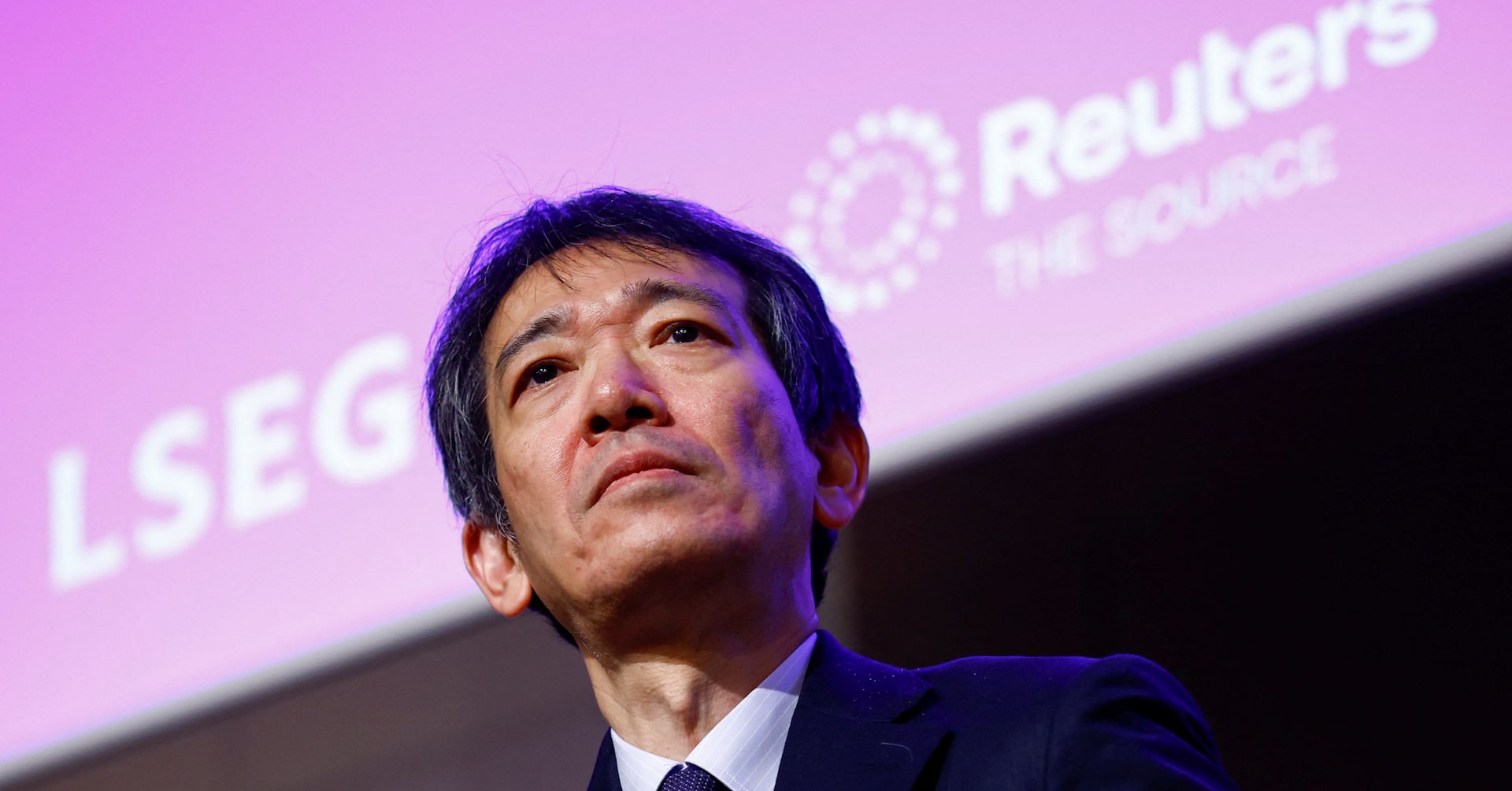
Photo: reuters.com
Authorities Poise for ‘Decisive’ Action
In his most assertive statement to date concerning a potential yen-buying intervention, Japan’s top currency diplomat, Atsushi Mimura, declared on Monday that authorities might be compelled to undertake ‘decisive’ measures if speculative movements in the currency market persist. This pronouncement marks a notable escalation from previous verbal cautions, as it is the first instance Mimura, who is responsible for Japan’s currency strategy, has employed the term ‘decisive’ – language typically interpreted by traders as a clear signal of impending intervention.
Market volatility has increased this month following the effective closure of the Strait of Hormuz due to the Iran conflict, a vital passage for approximately a fifth of global oil and gas flows. This disruption has driven up crude oil prices and bolstered demand for the safe-haven U.S. dollar. Consequently, the yen has borne the brunt, falling past the significant 160-per-dollar level to reach its weakest point since July 2024, the last time Japan intervened to bolster its currency. The surge in oil prices, combined with a weakening yen, is fueling inflationary pressures, presenting a considerable challenge for policymakers grappling with rising import costs.
BOJ Contemplates Rate Adjustments Amid Economic Risks
Concurrently, Bank of Japan (BOJ) Governor Kazuo Ueda indicated that the central bank is closely monitoring yen fluctuations due to their pervasive impact on the economy and price stability. Ueda’s remarks suggest that inflationary pressures arising from a weak currency could justify a rate hike in the coming months. Speaking to Parliament on Monday, Ueda affirmed that currency market dynamics are among the critical factors influencing economic and price trends, vowing to guide policy appropriately based on how these movements affect growth and price forecasts, as well as associated risks. This keeps open the possibility of an interest rate increase as early as next month.
Ueda’s comments underscore the BOJ’s mounting apprehension about potentially lagging in its response to the threat of excessive inflation, especially as elevated fuel costs impact an economy already experiencing sustained price and wage growth. While the BOJ maintained steady rates in March, the meeting’s summary revealed that policymakers engaged in discussions about further rate hikes, with some members proposing the potential for steady or even faster-than-expected increases. One member specifically highlighted the risk of Japan entering a period of stagflation – simultaneous economic stagnation and rising prices – if broadening cost pressures from escalating oil prices persist, suggesting that policy tightening might be necessary should the yen’s decline intensify. This concern contributed to a dip in Japan’s Nikkei stock average and pushed the benchmark 10-year Japanese government bond (JGB) yield to a 27-year high on Monday.
Outlook for Monetary Policy
Governor Ueda emphasized the BOJ’s commitment to raising its short-term policy rate at an ‘appropriate pace’ to prevent bond yields from overshooting, reinforcing the central bank’s resolve for continued, measured rate hikes. The BOJ concluded a decade of extensive stimulus in 2024, raising rates, including a hike in December that brought its short-term policy rate to a 30-year high of 0.75%. This decision was predicated on the assessment that Japan was making consistent progress toward its 2% inflation target.
The central bank recently released several indicators supporting further rate adjustments, including a new inflation gauge and a revised output gap showing Japan operating above capacity for the fifteenth consecutive quarter. According to Benjamin Shatil, an economist at JPMorgan Securities, the summary of the BOJ’s March meeting, along with last week’s release of hawkish inflation, output gap, and neutral rate estimates, collectively suggest the bank is preparing for its next rate increase. While acknowledging the fragility of the global risk environment and its potential influence on the timing of the BOJ’s next move, Shatil maintains a projection for a hike at the April meeting.