Photo: reuters.com
Japanese authorities have significantly heightened their rhetoric regarding potential intervention in currency markets, concurrently hinting that a continued depreciation of the yen could prompt an interest rate hike in the near future. These moves underscore growing concerns among policymakers about the inflationary pressures stemming from global geopolitical events, particularly the conflict in the Middle East.
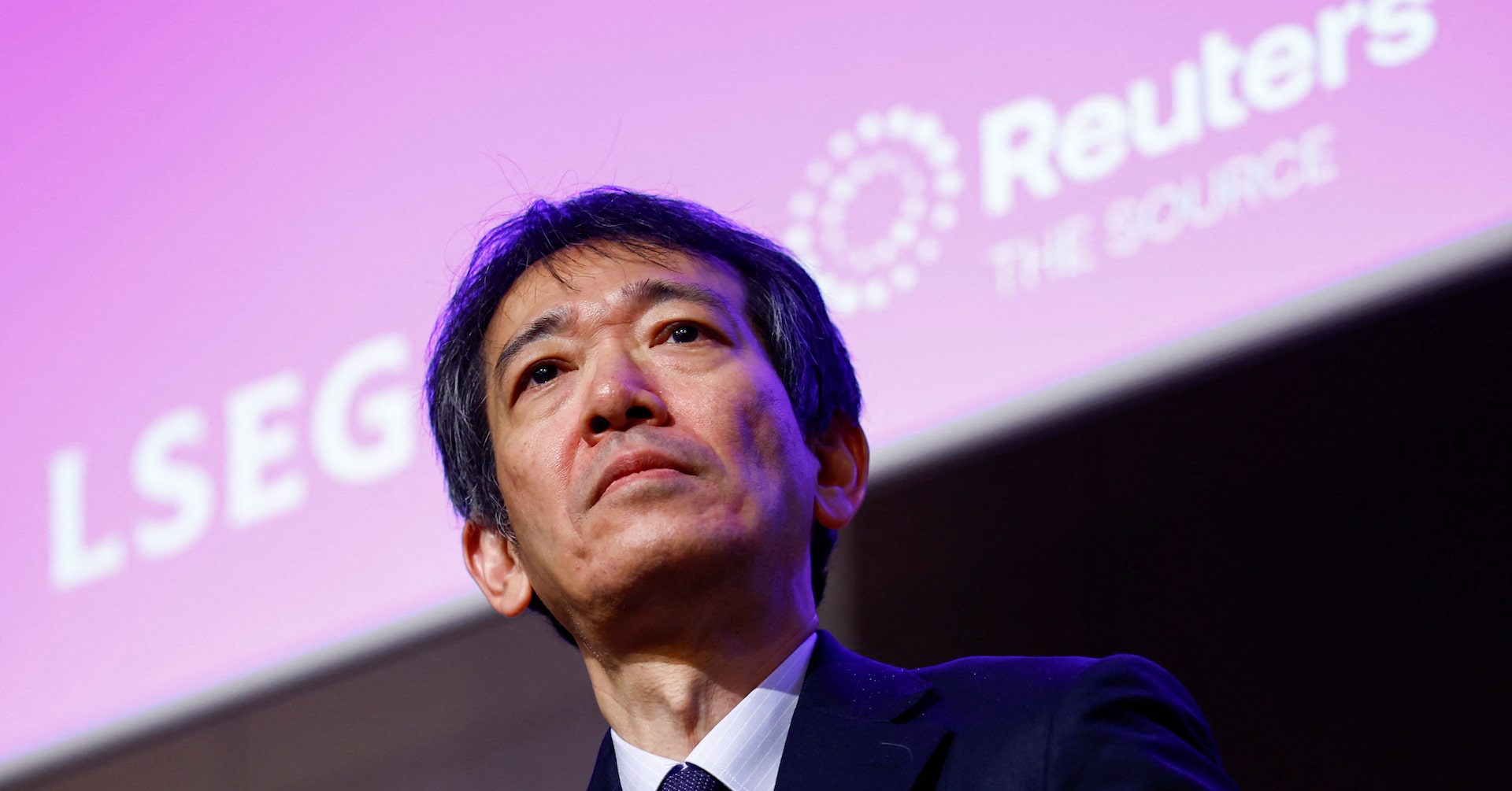
On Monday, Atsushi Mimura, Japan’s top currency diplomat and Vice Finance Minister for International Affairs, issued his strongest caution to date, stating that “decisive” actions might be necessary if speculative movements persist in the foreign exchange market. This marked a notable escalation from previous verbal warnings, as it was the first time Mimura used the term “decisive,” a phrase typically interpreted by traders as a clear signal of imminent intervention.
Escalating Currency Concerns and Geopolitical Impact
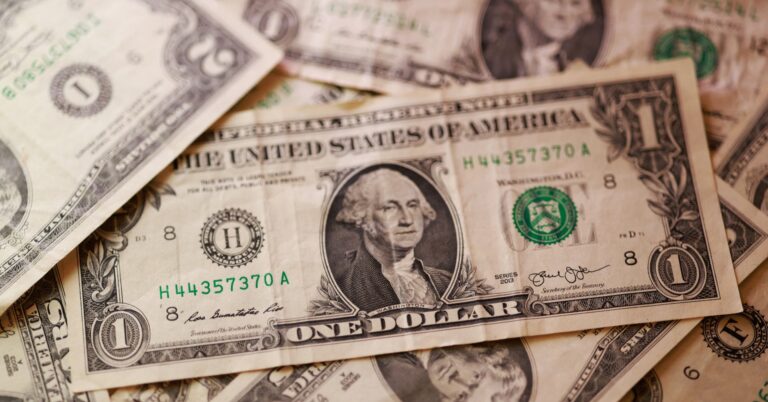
The global financial landscape has been particularly volatile this month, largely due to the Iran conflict, which has reportedly disrupted traffic through the Strait of Hormuz – a critical conduit for a significant portion of global oil and gas supplies. This disruption has driven up crude oil prices and bolstered demand for the U.S. dollar as a safe-haven asset, putting immense pressure on other currencies, including the yen.
As a result, the Japanese yen has fallen sharply, breaching the crucial 160-per-dollar level and reaching its weakest point since July 2024, when Japan last intervened to bolster its currency. The combination of soaring oil prices and a weakening yen has created a challenging environment for Japanese policymakers, contributing to inflationary pressures by increasing import costs and creating a political headache for the government.
BOJ’s Stance and the Shadow of Stagflation
Separately, Bank of Japan (BOJ) Governor Kazuo Ueda indicated the central bank is closely monitoring currency fluctuations due to their substantial influence on the economy and prices. His remarks suggest that persistent inflationary pressures fueled by a weak yen could justify raising interest rates in the coming months. Ueda affirmed that the BOJ would “guide policy appropriately by scrutinising how currency moves could affect the likelihood of achieving our growth and price forecasts, as well as risks,” leaving the door open for a potential rate hike as early as next month.
Ueda’s comments highlight the BOJ’s increasing apprehension about falling behind in its response to potentially excessive inflation, particularly as elevated fuel costs impact an economy already experiencing years of steady price and wage increases. While the BOJ maintained steady rates in March, a summary of the meeting revealed that policymakers discussed the possibility of further rate hikes, with some members advocating for steady or even faster-than-expected increases. One member specifically warned that broadening cost pressures from rising oil prices could push Japan into stagflation – a scenario characterized by simultaneous economic contraction and rising prices – suggesting that a policy tightening might be necessary if the yen’s decline intensifies. This concern over stagflation led to a downturn in Japan’s Nikkei stock average and pushed the benchmark 10-year Japanese government bond (JGB) yield to a 27-year high on Monday.
Future Policy Trajectory
Ueda further emphasized the BOJ’s commitment to raising its short-term policy rate at an “appropriate pace” to prevent bond yields from overshooting, reinforcing the central bank’s resolve for continued, measured rate increases. The BOJ concluded a decade of extensive stimulus measures in 2024 and raised rates, including a hike in December that brought its short-term policy rate to a 30-year high of 0.75%. This was based on the view that Japan was making consistent progress toward its 2% inflation target.
Recently, the central bank released several new indices, including a new inflation gauge and revised output gap estimates indicating Japan has been operating above capacity for 15 consecutive quarters. According to Benjamin Shatil, an economist at JPMorgan Securities, these releases, coupled with the hawkish summary of the March BOJ meeting, suggest the bank is preparing for its next rate increase. Shatil noted, “While the global risk environment remains fragile, and could affect the timing of the BOJ’s next move, we continue to pencil in a hike at the April meeting.”