Once a cornerstone for bespoke, high-margin sales, the luxury automotive market in the Middle East is now facing significant headwinds due to escalating regional conflict. Automakers, known for crafting opulent, one-off vehicles like the Rolls-Royce Phantom Arabesque, designed with Arabian architecture motifs for a Dubai client, are seeing their most lucrative market destabilized.
While the Middle East may account for less than 10% of global sales volumes for most luxury car manufacturers, its contribution to profitability is disproportionately high. This vital segment is now imperiled at a time when global demand is already experiencing a downturn, forcing many luxury showrooms in the Gulf to temporarily close following the outbreak of war in February.
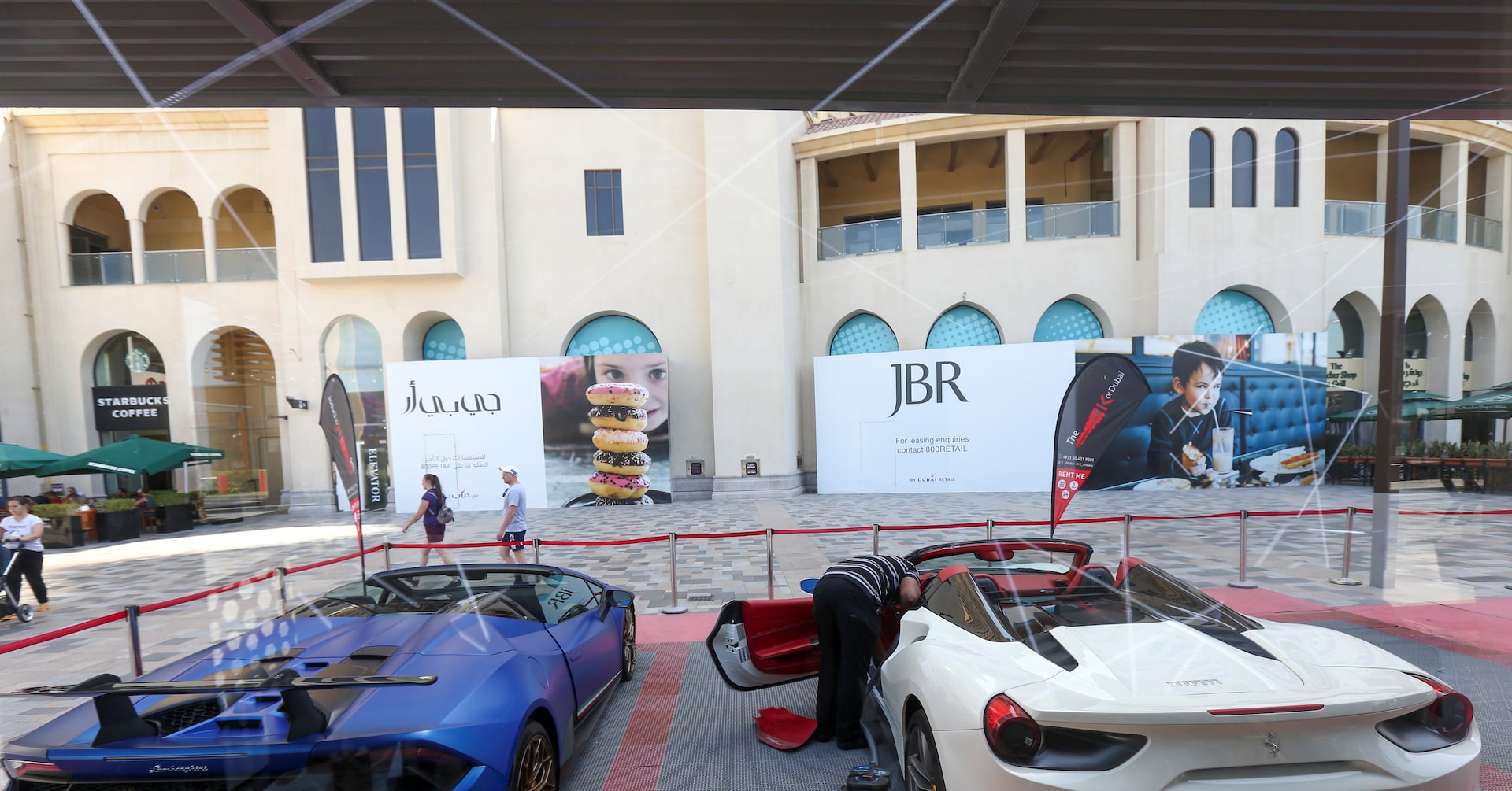
Photo: reuters.com
The Appeal of High-Margin Customization
The allure of the Middle Eastern market for luxury car brands lies in its penchant for extreme customization and limited-edition models. A standard Rolls-Royce Phantom, for instance, starts around £430,000 ($572,416), but affluent buyers in the Gulf frequently commission bespoke features—such as unique wood trims, mother-of-pearl inlays, or even gold leaf finishes—that can double or even triple the vehicle’s price tag. This demand for exclusive, personalized creations translates directly into exceptional profit margins for manufacturers.
Luxury brands, including Rolls-Royce Motor Cars (owned by BMW), Bentley (a Volkswagen subsidiary), Ferrari, Lamborghini, Jaguar Land Rover (Tata Motors), and Porsche, have historically prioritized this region for their highest-value offerings. Bentley CEO Frank-Steffen Walliser, earlier this month, described the Middle East as “the best market in the world.” Former Aston Martin CEO Andy Palmer noted that during his tenure, wealthy collectors in the Middle East were always the first to be offered high-margin special editions, a testament to the region’s importance. Volkswagen CEO Oliver Blume echoed this sentiment, calling Middle East sales “very high margin.”
Immediate Impact and Operational Adjustments
The outbreak of conflict on February 28, marked by U.S.-Israeli strikes on Iran and subsequent Iranian responses, sent shockwaves across the region, leading to immediate operational changes for luxury automakers. Many dealerships in the Gulf temporarily ceased operations. Ferrari and Stellantis-owned Maserati, for example, paused deliveries earlier this month, though both report their showrooms have since reopened.
Rolls-Royce stated it is “closely monitoring” the situation in the Middle East, cautioning that it would be “premature to speculate on longer-term impacts” given the volatile circumstances. F1rst Motors in Dubai, a prominent dealer selling top luxury brands from $250,000 to $14 million, closed for several days but has since reopened. Director Chris Bull reports a roughly 30% decline in foot traffic and overall business, although sales of vehicles exceeding $1.4 million have remained stable, and exports outside the UAE continue to be robust. Some buyers are even reportedly paying upwards of 30,000 euros ($34,512) to have a $7 million car flown out of the country.
While most luxury and premium automakers do not disclose profit margins by region, Ferrari reported that Middle Eastern volumes constituted 4.6% of its total sales last year, an increase from 3.5% in 2024, surpassing its sales in China. A Ferrari spokesperson confirmed that sales in the region are currently holding steady. However, the bespoke business, a hallmark of the region, has largely come to a standstill, with Bentley CEO Walliser remarking that people in the Middle East “have other thoughts than looking for a new Bentley at the moment.”
Global Headwinds Compound Regional Crisis
The challenges in the Middle East are arriving at a particularly difficult juncture for high-end automakers already grappling with a weakening global market. Sales in the United States have been impacted by tariff uncertainties, while demand has slumped in China and Europe. This leaves luxury brands with dwindling avenues for growth and has even prompted considerations of production cuts.
Bentley, for instance, saw its sales decline by 5% last year. Although CFO Axel Dewitz indicated earlier this month that the company had not yet deemed production cuts necessary, he warned that if the current crisis persists for a few more weeks, they would need to reassess the situation. Lamborghini CEO Stephan Winkelmann highlighted the multitude of challenges since the COVID-19 pandemic, noting that “there is no new American market out there that we can tap into to boost our sales volumes.”
Winkelmann detailed the global downturn: sales in Russia ceased following the 2022 invasion of Ukraine, the luxury market in China has “collapsed,” U.S. tariffs have impacted Lamborghini’s most crucial market, and now business in the Middle East has ground to a halt. For former Aston Martin CEO Andy Palmer, the current confluence of crises presents an unprecedented and “utter disaster” for manufacturers of premium and luxury vehicles.