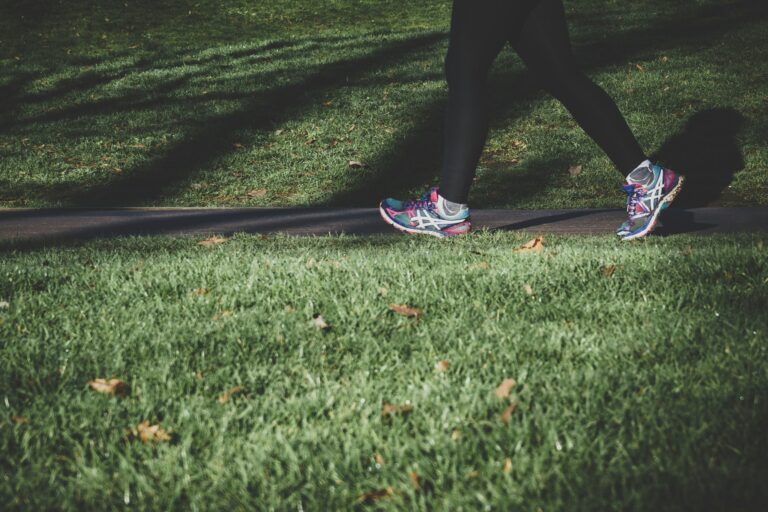
Forget complex pharmaceuticals; a groundbreaking body of research from Wits University suggests that the most powerful intervention for a healthy life is surprisingly simple: movement. Far from being merely a fitness trend, physical activity is being redefined as a fundamental prescription for preventing disease, aiding recovery, and bolstering mental well-being across all demographics.
The Biological Imperative of Motion
Human physiology is intrinsically designed for activity, a fact highlighted by Professor Demitri Constantinou, a Specialist Sports and Exercise Physician at Wits’ Department of Exercise Science and Sports Medicine. He emphasizes that ceasing movement leads to rapid bodily deterioration. Research conducted by Constantinou’s team demonstrates that even a single day of inactivity can induce measurable negative alterations in the cardiovascular and musculoskeletal systems. Conversely, physical activity triggers the release of crucial signaling molecules that profoundly influence cell metabolism, regeneration, and immune function. The beneficial effects, according to Constantinou, can begin with an action as elementary as standing up.
This perspective underpins the notion that ‘sitting is the new smoking.’ Any form of movement surpasses complete inactivity. Studies within the department, involving diverse groups from blue-collar workers and office staff to students and patients in recovery, consistently show that even minor shifts, like choosing to stand instead of sit, contribute measurably to health. Professor Philippe Gradidge, whose research focuses on physical activity, obesity, and sedentary behavior, underscores that the emphasis isn’t on extreme sports but on accumulating ‘micro-movements’ throughout the day, week, and lifetime.
For instance, prehabilitation and rehabilitation through exercise have been shown to enhance surgical recovery, minimize complications, and improve patients’ quality of life. Despite its profound impact, Constantinou notes that exercise remains an under-prescribed intervention in healthcare. Gradidge’s work further supports this, revealing that simple actions like walking, standing, or light stretching can significantly boost both physical and mental health. His team’s findings indicate that standing desks can improve posture, alleviate back pain, and sharpen focus in office environments, while structured walking programs positively affect heart health and mood in South African women. Crucially, Gradidge dispels the myth of needing 10,000 steps, citing emerging evidence that as few as 2,000 to 4,000 daily steps can help reduce symptoms of depression.
Photo: medicalxpress.com
A Prescription for Prevention and Empowerment
The benefits of movement extend beyond physical health, contributing to pain management, stress regulation, and improved health outcomes for conditions like high blood pressure. Professor Jon Patricios of the Faculty of Health Sciences advocates for adherence to the World Health Organization’s guidelines of 300 minutes of moderate-intensity exercise per week. His research, published in the British Journal of Sports Medicine in collaboration with Discovery Vitality, demonstrates that even 60 minutes of regular weekly exercise can significantly reduce the likelihood of cancer progression by 27% and mortality by 47%.
Patricios strongly asserts that regular physical activity is the most accessible and powerful prescription medical professionals can offer their patients.
Designing an Active Future
Wits University is committed to fostering this paradigm shift. In 2026, the institution will open the Wits Brian and Dorothy Zylstra Sports Complex, a cutting-edge facility for training, research, and clinical practice. This complex will feature world-class amenities, including an aquatics center and athlete residences, housing a network of healthcare professionals and scientists, from biokineticists to physiotherapists. Dr. Georgia Torres, the Complex’s Chief Operations Officer and a researcher in exercise and mental well-being, stresses that movement should be integrated into everyone’s life, even in resource-limited settings, as it empowers individuals.
The greater challenge lies in redesigning society to actively promote movement. Professor Gradidge notes that many built environments inadvertently restrict active living, with inadequate infrastructure for walking, cycling, or public transport. Initiatives like free park runs offer simple, convenient ways for communities to embrace active lifestyles. The Zylstra Complex, along with Wits’ engagement with the Global Alliance for the Promotion of Physical Activity, signifies progress towards embedding movement into daily life. Torres concludes that while movement is the simplest science, fostering it as a daily habit remains the most significant hurdle, serving as a powerful tool for prevention, connection, and empowerment.