
Travelers heading to Europe may have encountered increased wait times and new biometric requirements at border crossings recently. These changes are part of the European Union’s new Entry/Exit System (EES), designed to digitally log the arrival and departure of all non-EU visitors, regardless of visa requirements. While the system aims to enhance border security, it has unfortunately led to significant processing delays.
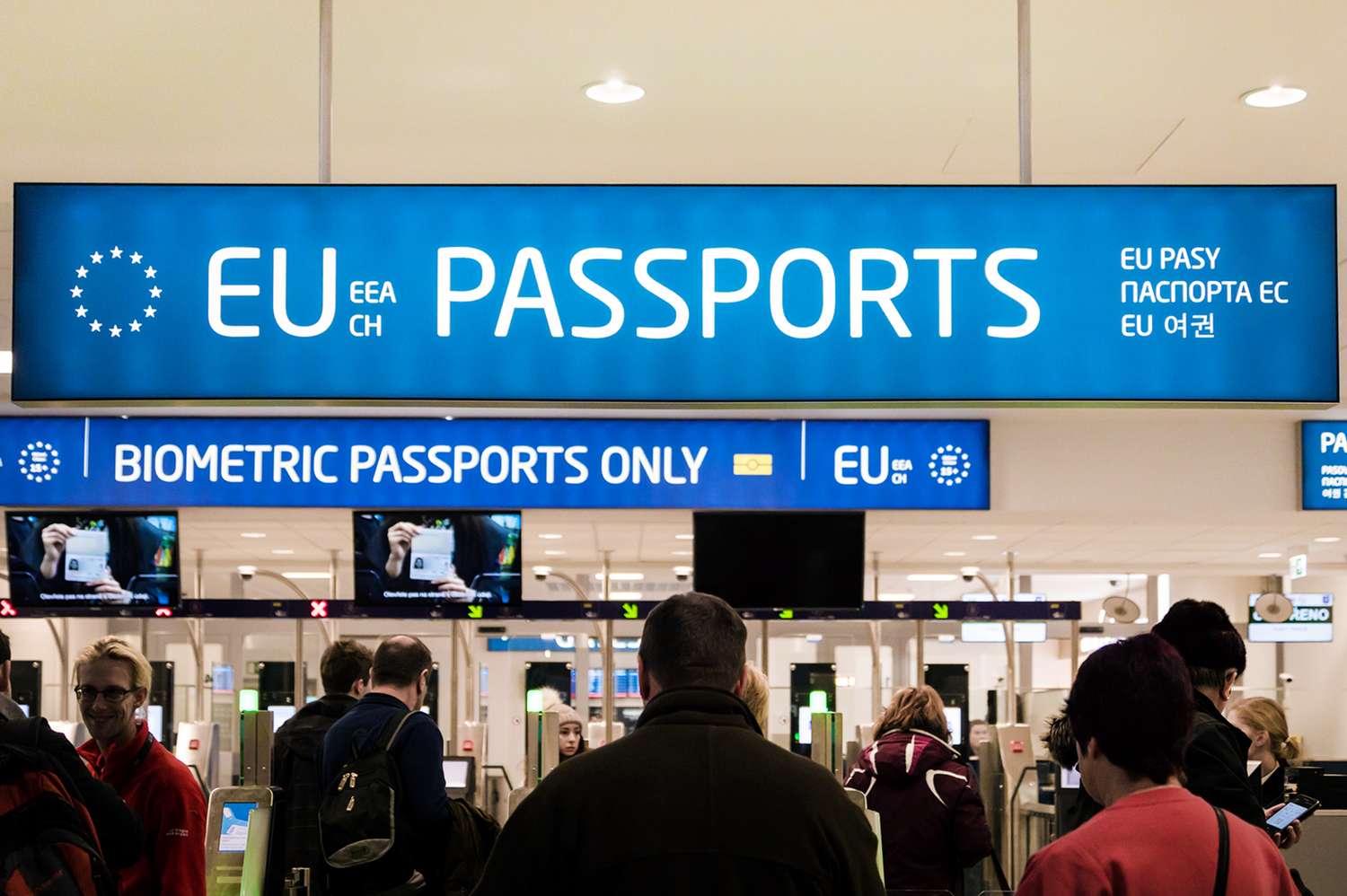
Photo: travelandleisure.com
Europe’s New Entry/Exit System: The Challenge
The EES mandates that non-EU travelers provide fingerprints and a facial image upon entry and exit. Since its introduction in October 2025, this system has reportedly caused considerable bottlenecks at border control points. Industry bodies, including Airports Council International Europe, Airlines for Europe (A4E), and the International Air Transport Association (IATA), have voiced strong concerns, requesting an urgent review of the system ahead of the busy summer travel season.
Reports indicate that wait times have soared to two or three hours, with Airports Council International Europe noting an increase in border control delays by up to 70 percent. There are fears that these delays could extend to four hours or more during the peak travel months of July and August 2026, potentially leading to missed flights for many travelers. Experts advise allocating at least four hours of buffer time when transiting through European airports.
Introducing the “Travel to Europe” App
To help alleviate these delays, a new “Travel to Europe” mobile app has been introduced. Sweden is leading the way as the first nation to fully integrate the app into its border procedures. Non-EU travelers destined for Sweden can now use the app to upload their passport details, a facial image, and complete their entry questionnaire up to 72 hours before arriving or departing.
Portugal is also utilizing the app, though its current functionality is limited to pre-filling the entry questionnaire, with passport data and photo submission not yet available. The app is designed for individuals holding biometric passports who are not EU nationals. While using the app is optional, it is expected to significantly streamline the border control process, making journeys smoother and faster without replacing the need to go through border control itself.
As the EES rolls out further, more countries may adopt the app, but its features could vary. Travelers are encouraged to consult the official Travel to Europe webpage before their trip to determine which countries are participating and what functionalities are available.
Industry Concerns and What’s Next for EU Travel
The current operational challenges with the EES have led to widespread calls for immediate improvements to avoid further travel disruptions, especially as summer approaches. These industry stakeholders are pressing the EU to refine the system to ensure a more efficient experience for passengers.
Looking ahead, travelers should also be aware of the upcoming European Travel Information and Authorisation System (ETIAS). Expected to launch in late 2026, contingent on the successful implementation of the EES, ETIAS will introduce a mandatory electronic travel authorization for non-EU visitors, including U.S. citizens. This authorization will involve a small fee and will be valid for three years or until the linked passport expires, whichever comes first.