From snack aisles overflowing with protein-enriched items to social media feeds championing “protein-maxxing,” it’s clear that dietary protein is having a moment. This surge in popularity is partly fueled by updated federal nutrition guidelines, which have significantly increased the recommended dietary allowance (RDA) for protein. But does this mean we should all be reaching for extra servings of meat and protein shakes?
According to Dr. Marily Oppezzo, a dietician and instructor of medicine at the Stanford Prevention Research Center, protein has acquired a “health halo” similar to low-fat foods in the 90s. While acknowledging its importance, she cautions against viewing it as an “instant-awesome” fix. Stanford Medicine experts recently weighed in to distinguish fact from fiction regarding protein consumption, offering five key takeaways.
The Fundamental Role of Protein in the Body
Despite often conflicting dietary advice, the essential role of protein in our diets is undeniable. Along with carbohydrates and fats, protein is a macronutrient vital for numerous bodily functions. At a molecular level, the protein we consume provides the fundamental building blocks necessary for our bodies to create their own proteins, which are instrumental in virtually every physiological process.
Dr. Jonathan Long, an associate professor of pathology, highlights that protein forms crucial components of our body, stating, “Protein can take the form of your muscles, your hair, your skin — everything has protein in it.” He adds that these vital constituents cannot be derived from fats or carbohydrates alone.
Both dietary proteins and our body’s proteins are composed of amino acids. Of the 20 different amino acids, nine are considered “essential” because our bodies cannot synthesize them and thus must obtain them directly from our diet. When we consume protein, our bodies efficiently break these complex strings of amino acids into their individual components, which are then repurposed to build the new proteins required for our health and well-being.
Reassessing Protein Needs and Debunking Common Myths
The recent shift in federal dietary guidelines, which raised the adult RDA for protein from 0.8 grams per kilogram of body weight to between 1.2 and 1.6 grams, represents a substantial increase. For a 150-pound individual, this translates to a jump from roughly 55 grams to 80-110 grams daily.
However, Dr. Christopher Gardner, director of nutrition studies at the Stanford Prevention Research Center, expresses skepticism about the scientific justification for such a significant revision, remarking, “There really isn’t any.” He attributes much of the push for higher protein to aggressive marketing.
Dr. Oppezzo offers a more nuanced perspective, noting that increased protein intake can be beneficial for specific demographics. For adults over 40 and individuals using weight-loss medications, consuming more than 0.8 grams per kilogram of protein may help mitigate muscle loss often associated with aging and calorie reduction. For those with a BMI over 30, she recommends calculating protein needs based on an “adjusted body weight,” advising 1.6 grams per kilogram for clients actively losing weight. Yet, she underscores that resistance training is a far more potent factor in muscle retention than dietary protein alone, quoting a mentor who likens protein to merely a thin layer of frosting on the “cake” of exercise.
Furthermore, several long-held protein myths warrant correction:
The ‘Incomplete Protein’ Fallacy
A persistent myth suggests that plant-based proteins are “incomplete” and must be carefully combined to provide all essential amino acids. Dr. Gardner emphatically dismisses this as “bupkis.” Plant proteins, though sometimes having slightly less of one specific amino acid compared to animal sources, contain all 20. Given that most Americans consume well over their daily protein needs, minor amino acid distributions in individual plant foods are rarely a concern. Research, including a 2019 paper by Gardner and colleagues, has debunked this myth, with recent studies even showing vegan diets are just as effective for muscle building.
Absorption Limits and Timing
Another misconception suggests the body can only absorb a limited amount of protein at once, necessitating even distribution throughout the day. While practical for some, studies indicate no significant difference in protein metabolism based on how it’s spread out, though older adults might benefit from multiple servings to trigger muscle protein synthesis effectively.
Similarly, the idea of an immediate post-workout “anabolic window” requiring a protein shake is largely overblown. While such a window exists for muscle repair, it extends for approximately 24 hours, meaning regular meals throughout the day are sufficient.
Balancing Your Plate: The Overlooked Nutrient
Interestingly, despite the increased protein recommendations, many Americans already consume ample amounts. National surveys indicate that adult men typically consume 90-100 grams of protein daily, and women 65-75 grams, placing them well within the new guidelines. Dr. Gardner clarifies that the previous RDA of 0.8 grams per kilogram was designed to meet the needs of 98% of adults, not as a minimum to be exceeded.
The concern isn’t necessarily that high protein intake is inherently harmful, but rather what it might displace in the diet. If protein comes primarily from red meat, individuals could be consuming unhealthy levels of saturated fat. More critically, an excessive focus on protein can lead to a neglect of fiber and other vital nutrients predominantly found in plant-based foods. Unlike protein, where most Americans meet or exceed recommendations, only about 5% meet the RDA for fiber, a nutrient crucial for gut health and disease prevention.
“There are all kinds of antioxidants that can lower inflammation and prevent cancer, and those don’t come in meat and cheese and protein bars,” Dr. Gardner points out. He advocates for incorporating more fiber-rich protein sources like beans, legumes, and whole grains, which are currently underconsumed by many Americans.
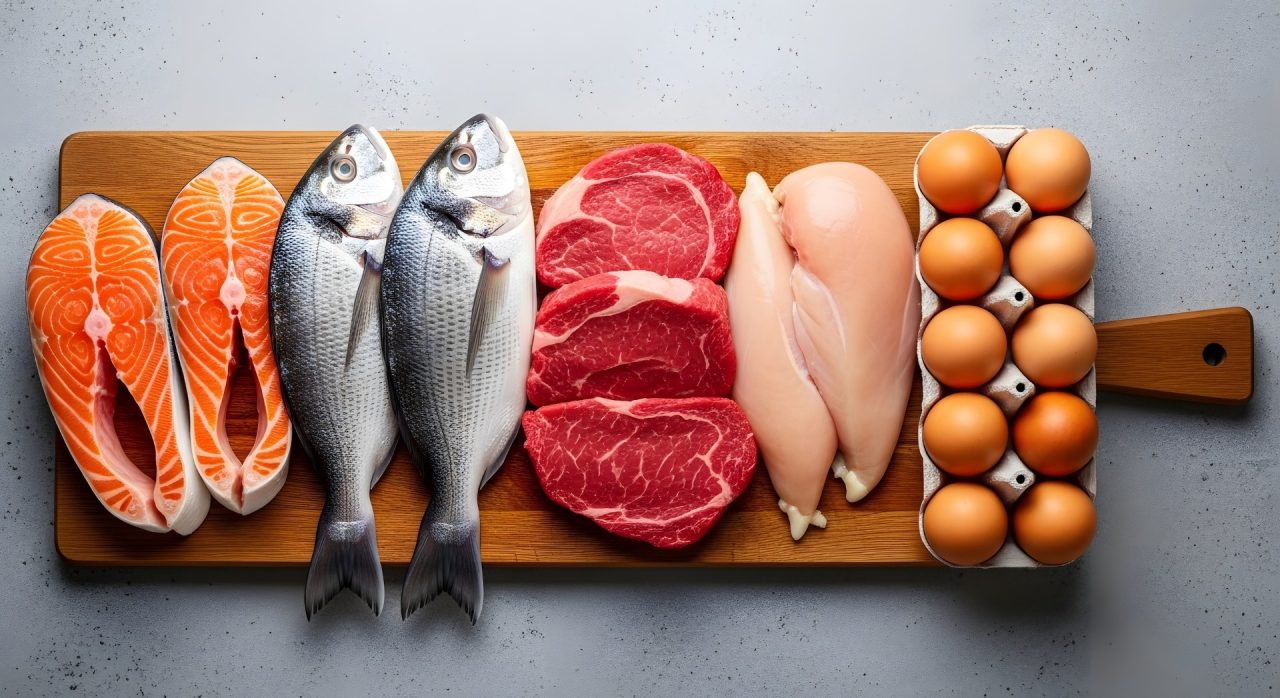
Photo: med.stanford.edu
Ultimately, while protein is undeniably important, Dr. Oppezzo advises a holistic view: “I don’t think a high-protein diet is necessarily bad, but what are you not eating? Are you missing out on the fiber, vitamins, phytochemicals and antioxidants that vegetables, fruits, whole grains and nuts provide?” The key lies in balanced nutrition, ensuring that a focus on one macronutrient doesn’t come at the expense of others.