
Photo: travelandleisure.com
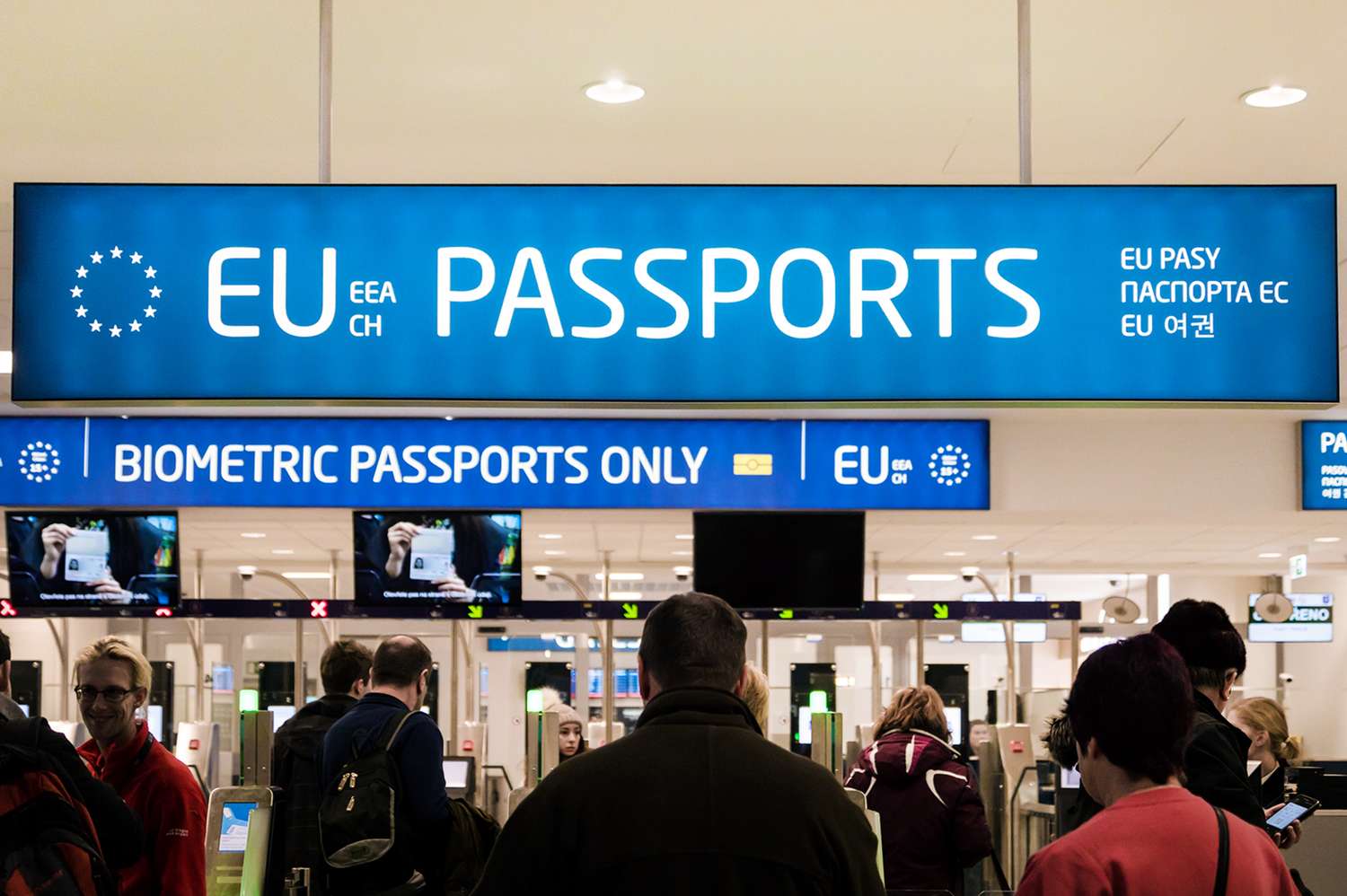
Recent visitors to Europe may have encountered extended queues and novel biometric screening procedures, including fingerprint and facial recognition requirements, at border crossings. These changes are part of the European Union’s new Entry/Exit System (EES), designed to digitally log the arrival and departure of all non-EU travelers, regardless of visa requirements.
While the EES aims to enhance border security and efficiency, its initial rollout has led to significant processing delays. However, a new mobile application is emerging as a potential solution to help travelers navigate these new requirements more smoothly.
Addressing the Challenges of the New EES
Since its launch in October 2025, the EES has caused notable disruptions, with reports of travelers facing wait times of two to three hours at border control points. Data from Airports Council International Europe indicates that the system has increased border processing delays by as much as 70 percent. This has prompted major industry bodies, including Airports Council International Europe, Airlines for Europe (A4E), and the International Air Transport Association (IATA), to jointly request an urgent review of the system before the peak summer travel season of 2026, fearing that wait times could escalate to four hours or more in July and August.
Travelers planning trips through Europe are now advised to factor in at least four hours of buffer time to avoid the risk of missing connecting flights due to these prolonged border procedures.
The ‘Travel to Europe’ App: A Digital Streamliner
In response to the EES-induced delays, the EU has introduced the ‘Travel to Europe’ mobile app, designed to expedite the border control process for eligible non-EU nationals holding biometric passports. Sweden has taken a pioneering role, becoming the first nation to fully integrate the app into its border operations. Non-EU visitors traveling to Sweden can utilize the app up to 72 hours before their arrival or departure to upload passport data, a facial image, and complete their entry questionnaire in advance.
Portugal is also utilizing the app, though its current functionality is limited to pre-filling the entry questionnaire, with passport data and photo submission features expected to be enabled in the future. As more countries adopt the EES, the app’s availability and features may vary. Travelers are encouraged to consult the official Travel to Europe webpage before their journey to ascertain which countries support the app and its specific functionalities.
While using the app is not mandatory, it is intended to streamline the border experience, making the necessary checks faster and more efficient, rather than replacing the physical border control process entirely.
Preparing for Future European Travel Regulations
Beyond the current EES rollout, travelers should also be aware of the upcoming European Travel Information and Authorisation System (ETIAS). Anticipated to launch in late 2026, contingent on the successful implementation of the EES, ETIAS will introduce an electronic travel authorization that will be compulsory for citizens of countries like the United States. This visa waiver will involve a small fee and will remain valid for three years or until the associated passport expires. Keeping abreast of these evolving digital entry requirements will be crucial for a smooth journey into Europe.