In the ongoing pursuit to maximize the driving range of electric vehicles, tire manufacturing giant Michelin has introduced a new line of tires it asserts can notably extend an EV’s operational distance. While advancements in battery technology and motor efficiency typically dominate discussions around increasing electric car range, Michelin highlights the critical role tires play in overall vehicle efficiency.
It might seem unconventional to link tire design directly to extending an EV’s range, as most focus remains on power sources. However, the type and construction of tires can substantially influence a vehicle’s energy consumption. High-efficiency tires can reduce rolling resistance, thereby decreasing the energy required to propel the vehicle forward. If Michelin’s claims hold true for electric vehicles, this innovation could mark a significant shift in how manufacturers and consumers approach EV range optimization.
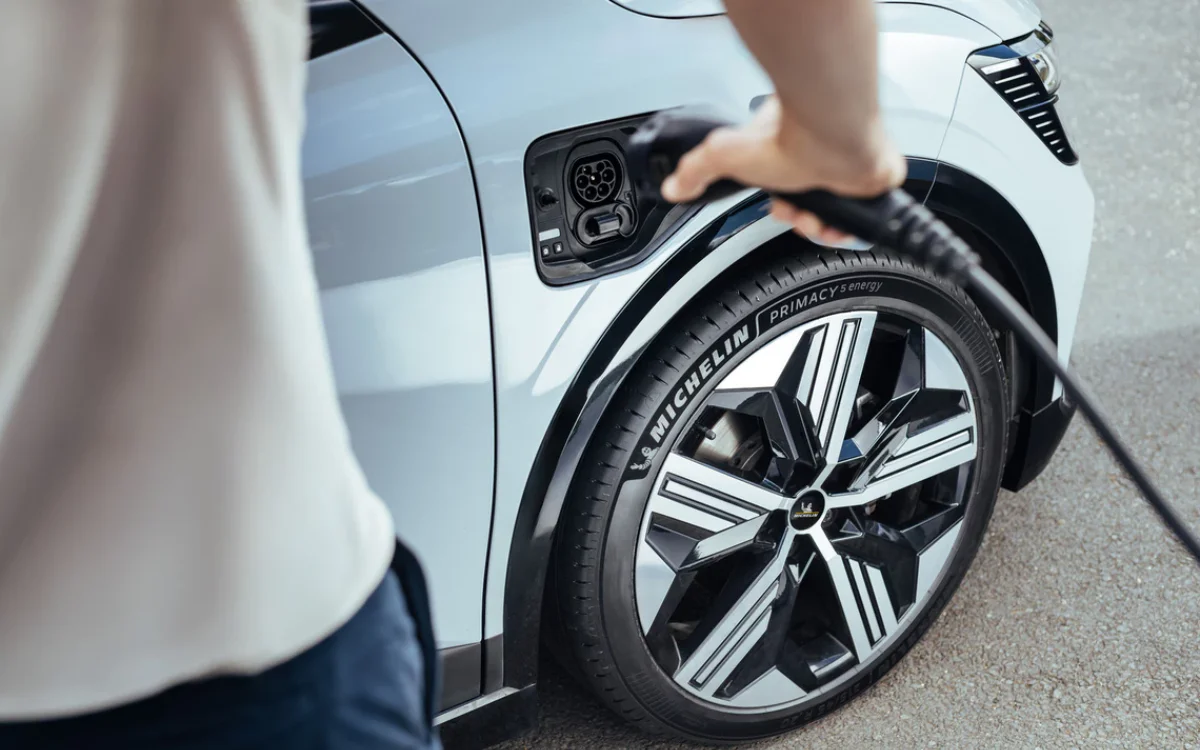
Photo: supercarblondie.com
Redefining EV Efficiency Through Tire Technology
The new offering from Michelin, dubbed the Primacy 5 Energy, is specifically engineered to cater to electric vehicle owners seeking to extract the maximum range from their cars. Michelin states that these tires represent a considerable leap forward from their predecessors, boasting an impressive eight percent shorter braking distance in wet conditions.
Central to the Primacy 5 Energy’s design is what Michelin terms “Energy Passive 2.0 Technology.” This incorporates advanced functionalized elastomers, which are key to enhancing the tire’s durability. The French manufacturer claims these new tires can last up to 40 percent longer compared to rival products. However, their most compelling feature lies in their efficiency improvements.
Extensive testing has demonstrated that the Primacy 5 Energy can reduce fuel consumption in gasoline-powered vehicles by six percent. More critically for the EV market, these tires are shown to decrease energy usage in electric cars by a substantial 10 percent. Such gains could translate into tangible monthly savings for drivers, both in terms of battery drain and associated charging costs.
Advanced Design Delivers Performance and Longevity
Michelin’s strategy to enhance efficiency extends beyond material science, incorporating improvements in tire grip. By optimizing grip for both wet and dry road conditions, the company has managed to effectively lower rolling resistance – a primary antagonist to both fuel economy in traditional cars and battery efficiency in EVs.
The advancements are also showcased in the new Pilot Sport Energy 5 rubber. This performance-oriented tire benefits from a fresh Energy Passive compound, which has enabled Michelin to significantly reduce its rolling resistance. For a sports tire, these levels of resistance are reportedly lower than typically observed in the segment, demonstrating a versatile application of their new technologies.
Evidently, the French tire manufacturer has invested considerable effort into ensuring that contemporary vehicles, especially the rapidly growing segment of electric cars, achieve the highest possible levels of efficiency. For electric vehicle owners, selecting the right tires is becoming an increasingly important factor in maximizing their vehicle’s range and overall performance.