
Emerging research underscores a straightforward yet profound truth: physical movement serves as a vital medicine. Far from being exclusive to athletes, this principle is being heralded as a fundamental prescription for a healthy life. Scientists at Wits University in South Africa have definitively demonstrated that incorporating movement into daily routines can prevent and mitigate the impact of various diseases, including certain cancers, accelerate recovery processes, and bolster mental well-being.
Professor Demitri Constantinou, a specialist in Sports and Exercise Medicine at Wits, emphasizes humanity’s innate need for activity. “Our physiology is inherently designed for movement,” Constantinou states. “When we cease physical activity, our bodies begin to decline, and this deterioration can occur with surprising speed.” His team’s findings reveal that even a single day of inactivity can lead to measurable alterations in both the cardiovascular and musculoskeletal systems. Conversely, engaging in physical activity triggers the release of signaling molecules that positively influence cellular metabolism, regeneration, and immune function. The implications are far-reaching, stemming from actions as simple as standing up.
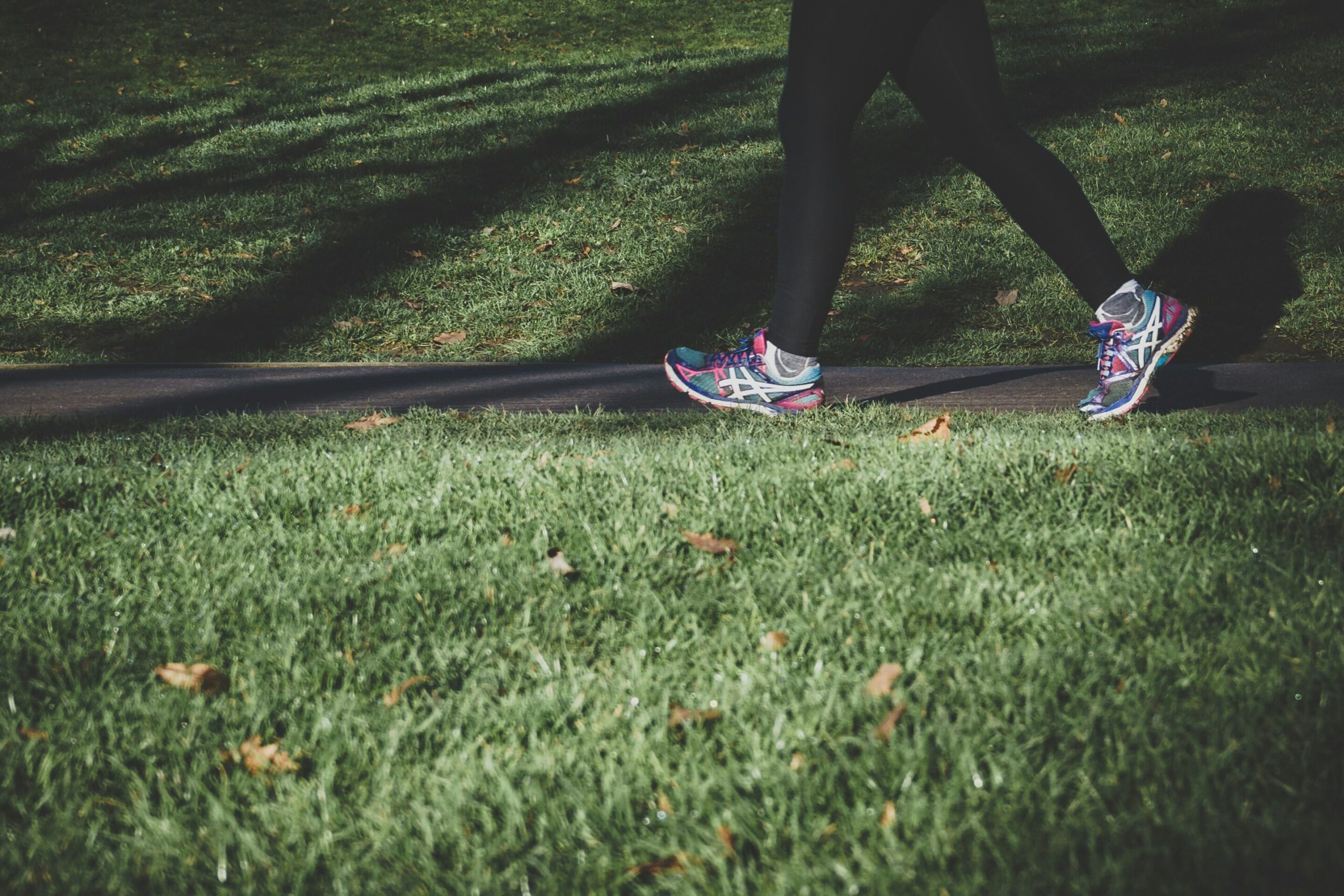
The Profound Impact of Activity and Inactivity
The notion that “sitting is the new smoking” is gaining significant traction within the scientific community. According to Constantinou, any form of movement surpasses none, suggesting that merely choosing to stand instead of sit can yield noticeable health advantages. Studies conducted by the department involved a diverse group of adults, including blue-collar and office workers, students, and patients in recovery.
These investigations found that both ‘prehabilitation’ (optimizing physical and mental health prior to surgery) and post-illness rehabilitation through exercise significantly improved recovery outcomes, reduced complications, and enhanced overall quality of life. Constantinou highlights that exercise before, during, and after a health event represents one of the most powerful yet frequently underutilized interventions available. The flip side of this truth is equally stark: a sedentary lifestyle is increasingly linked to detrimental health consequences, including premature death.
Professor Philippe Gradidge, whose extensive work focuses on physical activity, obesity, and sedentary behavior, including the efficacy of ‘standing desks,’ reinforces this perspective. Gradidge’s research suggests that effective movement isn’t about extreme athletic endeavors but rather about accumulating ‘micro-movements’ throughout the day, week, and across a lifetime. His team’s studies indicate that modest adjustments, such as walking, standing, or light stretching, can substantially improve both physical and mental health. Specifically, standing desks have been shown to enhance posture, alleviate back pain, and sharpen focus among office workers, while structured walking programs have improved heart health and mood in South African women. Gradidge concludes that movement functions as medicine, even in minimal doses.
Dispelling common misconceptions, Gradidge notes that achieving health benefits doesn’t necessarily require reaching the often-cited 10,000 steps per day. Emerging evidence suggests that as few as 2,000 to 4,000 steps daily can be effective in reducing symptoms of depression. Furthermore, his studies have revealed that movement helps individuals manage pain, regulate stress, improve conditions like elevated blood pressure, and develop a greater awareness of their physical state. The emphasis, he says, should be on fostering environments where people can move safely and joyfully, free from barriers.
Movement: The Most Accessible Prescription
Professor Jon Patricios, an expert in Sports Science and Exercise Medicine, advocates for adherence to the World Health Organization’s recommendation of 300 minutes of moderate-intensity exercise per week, citing its numerous well-documented health advantages. Patricios has been a prolific proponent of exercise as medicine, collaborating with corporations to integrate and promote this philosophy.
In a notable study recently published in the British Journal of Sports Medicine, Patricios served as the lead author, demonstrating the significant impact of regular exercise on cancer outcomes. He underscores that engaging in as little as 60 minutes of weekly exercise could reduce the likelihood of cancer progression by 27% and mortality by 47%. This compelling evidence, he believes, should prompt all medical professionals to actively prescribe exercise to their patients, recognizing it as the most powerful and readily available intervention.
Wits University is further solidifying its commitment to this field with the upcoming launch of the Wits Brian and Dorothy Zylstra Sports Complex in 2026. This integrated, state-of-the-art facility will serve as a hub for training, research, and clinical practice, featuring world-class therapeutic resources, an aquatics center, and accommodation for elite athletes. It will bring together a network of healthcare professionals and scientists, including researchers, biokineticists, physiotherapists, and other medical experts, providing access for both students and the wider public.
Dr. Georgia Torres, a researcher in exercise and mental well-being and the Chief Operations Officer of the new Complex, emphasizes that movement should be an integral part of everyone’s life, even in resource-limited settings where structured exercise might seem out of reach. She posits that movement inherently empowers individuals.
The core challenge now lies in consciously designing societal structures that actively encourage and facilitate movement. Gradidge points out that many urban environments are not optimized for active living, stressing the need for pavements, parks, and public transport systems that invite rather than impede physical activity. Initiatives like free-to-access park runs offer accessible and convenient avenues for active living, particularly crucial in a country grappling with declining exercise levels.
Torres views the Zylstra Complex, alongside Wits’ involvement in the Global Alliance for the Promotion of Physical Activity—an initiative uniting researchers, policymakers, and communities to embed movement into daily life—as significant strides forward. She encapsulates the message: “Movement is about prevention, fostering connection, and empowerment. It’s the most straightforward scientific principle, yet often the most challenging habit to cultivate.”