
Emerging research suggests that embracing a regular yoga practice, particularly a high-intensity variant, may be the most effective exercise strategy for significantly improving sleep over the long term. A comprehensive meta-analysis, drawing insights from 30 randomized controlled trials, indicates that consistent engagement in yoga surpasses other common physical activities in its positive impact on sleep patterns.
Yoga’s Edge in Sleep Improvement
The extensive analysis, conducted by researchers at Harbin Sport University in China, synthesized data from over 2,500 participants across various age groups and more than a dozen countries, all of whom experienced sleep disturbances. Their findings, published in 2025, highlight that high-intensity yoga, performed for less than 30 minutes, twice a week, proved to be the optimal exercise prescription for combating poor sleep.
This particular regimen of yoga demonstrated stronger associations with improved sleep outcomes compared to other forms of exercise examined, including walking, resistance training, combined exercise routines, aerobic workouts, and traditional Chinese practices like qi gong and tai chi. Positive effects were observed to materialize in as little as eight to ten weeks of consistent practice. Following yoga, walking was identified as the next most beneficial activity for sleep, with resistance exercise coming in third.
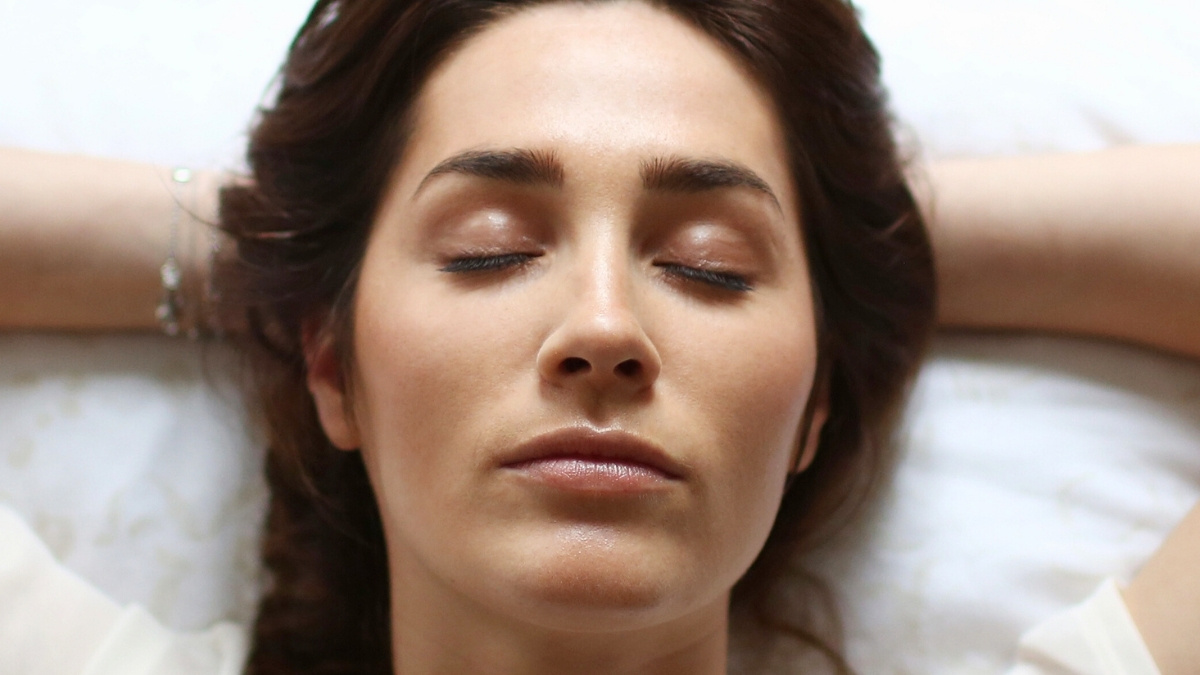
Photo: sciencealert.com
Interestingly, these conclusions present some nuanced differences when compared to a 2023 meta-analysis, which had previously suggested that aerobic or moderate-intensity exercise, performed three times weekly, was the most effective for sleep quality improvement. However, even that earlier review included a study that acknowledged yoga’s potentially more significant impact on sleep outcomes.
Exploring Yoga’s Mechanisms for Rest
While the recent meta-analysis did not definitively explain the precise reasons for yoga’s superior benefits for sleep, several theories are proposed. Yoga is unique in its ability to simultaneously elevate heart rate, engage muscles, and cultivate controlled breathing techniques. Research indicates that deliberate breath control can stimulate the parasympathetic nervous system, often dubbed the body’s ‘rest and digest’ system, which is crucial for relaxation and recovery. Furthermore, some studies suggest that yoga may help regulate brainwave activity, potentially fostering deeper and more restorative sleep cycles.
Despite these promising findings, the researchers caution that more high-quality, comparative studies are needed to fully confirm these results. The specific characteristics of sleep disturbances and the limited number of studies directly comparing various exercises over extended periods warrant careful interpretation of the data. It’s also recognized that yoga’s intensity can vary greatly depending on the style and technique, making it challenging to categorize simply as aerobic or anaerobic.
Beyond Yoga: The Role of Tai Chi and Future Directions
It’s important to remember that individual bodies and brains respond differently, and there isn’t a universally guaranteed solution for insomnia or other sleep disturbances. While yoga presents a compelling option, another study published in 2025 shed light on the long-term effectiveness of tai chi. This research found that tai chi was comparable to cognitive behavioral therapy for insomnia (CBT-I) in improving sleep. Initially, the CBT-I group reported greater reductions in insomnia symptoms; however, after 15 months, the tai chi group showed comparable improvements in sleep quality and duration, mental health, and overall quality of life.
This suggests that the accessibility and ease with which practices like tai chi can be integrated into daily life contribute significantly to their sustained effectiveness. Ultimately, whether it’s yoga, tai chi, or another form of exercise, exploring various physical activities can play a vital role in achieving better sleep, potentially as a valuable complement to existing therapies. The yoga study was published in the journal Sleep and Biological Rhythms.