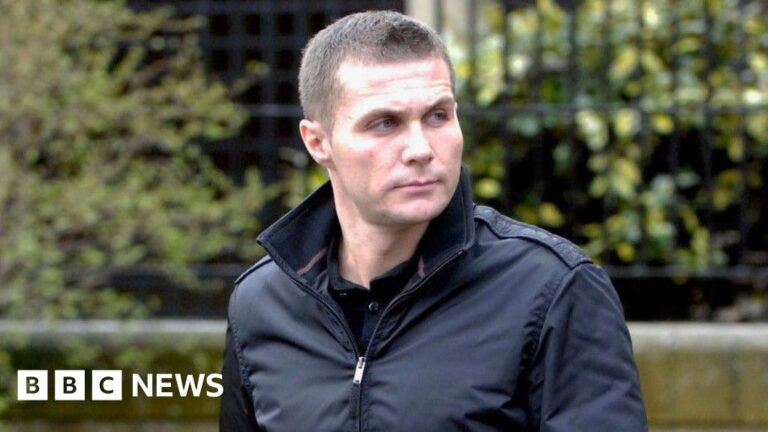
A high-profile trial has commenced in France, placing twenty-two individuals in the dock on charges ranging from murder to criminal conspiracy. The proceedings center on allegations that a masonic lodge in the Parisian suburb of Puteaux operated a sophisticated crime network, including purported hit squads.
Among the defendants are former intelligence operatives, military personnel, and law enforcement officers. Seven of the accused, including these former agents, soldiers, and business figures, face potential life sentences should they be convicted. Prosecutors contend that this group orchestrated murders, attempted murders, and aggravated assaults, all on behalf of a criminal organization allegedly embedded within the Athanor lodge.
The Accused and Their Alleged Roles
The extensive list of defendants reveals the alleged breadth of the network, with at least four Freemasons from the lodge’s approximately twenty members among those on trial. The accused also include four officers from France’s DGSE foreign intelligence service, three police officers, six company executives, a security guard, a medical doctor, and an engineer. Despite the serious nature of the charges, most of the defendants, who range in age from 30 to 73, reportedly have no prior criminal records.
Prosecutors have identified Jean-Luc Bagur, Frédéric Vaglio, and Daniel Beaulieu—all members of the Athanor lodge—as the alleged ringleaders. Sébastien Leroy, described as Beaulieu’s close associate, is also a central figure, accused of directly carrying out or organizing violent acts through a network of hired attackers. All four could face life imprisonment if found guilty.
Unraveling the Conspiracy
The investigation that led to this significant trial was sparked by a failed assassination attempt in July 2020. Two members of France’s parachute regiment were apprehended with weapons near the residence of business coach Marie-Hélène Dini. They informed investigators they believed they were hired to kill Dini on behalf of the French state, under the false pretext that she worked for the Israeli intelligence agency, Mossad.
This incident led authorities to Jean-Luc Bagur, 69, a business coach and rival of Dini, who was also the ‘venerable master’ of the Athanor lodge. Investigators allege Bagur commissioned fellow Freemason Vaglio to arrange Dini’s ‘elimination’ for a fee of €70,000. Vaglio, a 53-year-old entrepreneur, reportedly acted as the crucial link between Bagur and the hit squad, which was allegedly led by Daniel Beaulieu, a retired officer of the domestic intelligence service (DGSI).

Photo: theguardian.com
Sébastien Leroy, identified as the leader of the operational hit squad, reportedly confessed during police custody to executing most of the Athanor mafia’s assaults, robberies, and killings, including the murder of a racing driver. Over time, the nature of the crimes attributed to this alleged Freemason mafia reportedly escalated from minor retaliatory acts to homicides.
Further allegations include an act of industrial espionage in which Leroy’s gang is said to have assaulted a businesswoman in the street and stolen her computer. In a separate incident from 2019, an associate of Bagur had their car set ablaze after uncovering evidence of financial fraud within Bagur’s company. The body of racing driver Laurent Pasquali was discovered in a forest in 2018, with French media reporting his death was linked to an unpaid debt owed to associates of Vaglio.
Legal Ramifications and Uncertainties
Leroy, who transitioned from military service to a security guard role, told police he genuinely believed his actions were government-sanctioned. He claimed Beaulieu had ‘manipulated’ him, dangling the prospect of him becoming an informant for the DGSI. Marie-Hélène Dini’s lawyer, Jean-William Vézinet, expressed profound concern, stating that the involvement of figures such as police officers, former DGSI agents, and Freemasons—individuals expected to uphold societal good—was particularly terrifying to his client.
The ability of prosecutors to gather extensive evidence from Beaulieu remains uncertain. An apparent suicide attempt while in police custody left him disabled and with ‘impaired concentration,’ according to his legal representative. The trial is projected to continue for at least three months, as the court delves into the complex web of accusations.