
On Saturday, U.S. President Donald Trump declared the initiation of what he termed “major combat operations” against Iran, candidly admitting that American service members could face fatalities as the conflict intensifies.
According to Trump, these military actions are designed to neutralize Iranian missile capabilities and incapacitate its naval forces. This move follows sustained warnings from both Washington and Israel regarding Tehran’s nuclear and ballistic missile development programs. However, the abrupt escalation has drawn criticism, with some observers suggesting the timing may serve as a diversion from escalating controversies surrounding the Epstein files and heightened political pressures on the administration.
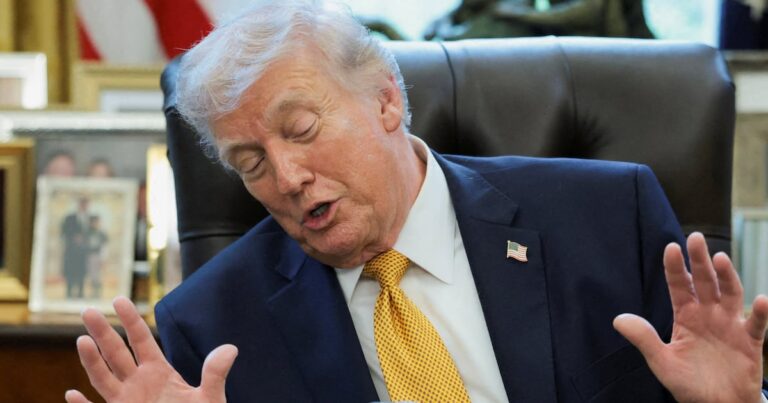
Speaking in a video disseminated via Truth Social, Trump stated, “My administration has taken every possible step to minimise the risk to U.S. personnel in the region. Even so, and I do not make this statement lightly, the Iranian regime seeks to kill.” He continued, “The lives of courageous American heroes may be lost and we may have casualties that often happens in war, but we’re doing this, not for now. We’re doing this for the future, and it is a noble mission.”
This stark acknowledgment of anticipated casualties has raised alarms among critics, who express concern that the president appears prepared to accept American lives as a cost without clearly outlining a long-term strategy or an exit plan. Opponents contend that the administration is treating potential troop losses as a politically acceptable outcome.
The Pentagon has labeled the ongoing military effort “EPIC FURY” and indicated it could extend over several days. This marks the second instance of U.S. forces engaging Iran since Trump’s return to office last year, building on earlier strikes targeting Iranian nuclear installations.
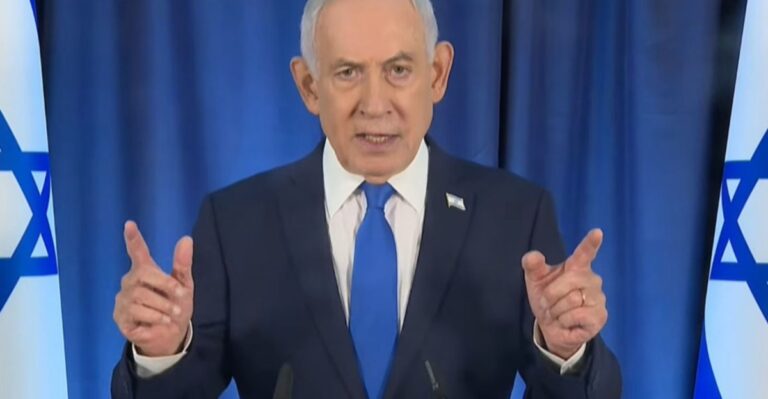
In response, Iranian officials have issued warnings of retaliatory measures. Concurrently, Israeli authorities reported missile launches directed towards Israel shortly after the latest U.S. strikes began, fueling fears of a broader regional conflict.
In his address, President Trump urged members of Iran’s military to surrender, offering immunity to those who comply. He warned that the alternative would be “certain death.” Recent diplomatic efforts between Washington and Tehran concerning Iran’s nuclear program, including multiple rounds of talks, had concluded without a resolution.
“Iran refused, just as it has for decades and decades. They rejected every opportunity to renounce their nuclear ambitions, and we can’t take it anymore,” Trump asserted. The president further encouraged the Iranian populace to overthrow their government once the U.S. operations conclude, stating, “When we are finished, take over your government. It will be yours to take. This will be probably your only chance for generations.”
The decision to launch another military campaign has ignited significant political controversy. Some critics maintain that the timing of the escalation conveniently deflects attention from lingering questions surrounding the Epstein investigation, while others speculate that pressure from Israeli leadership might be influencing U.S. foreign policy. Although the administration has dismissed such allegations, the concurrency of the operation and President Trump’s warning of likely American casualties has intensified debate over the rationale behind placing U.S. troops in harm’s way for potentially undefined strategic or political objectives.