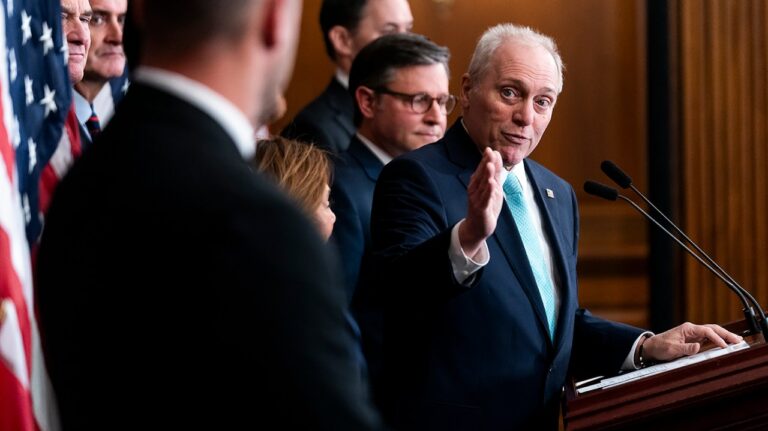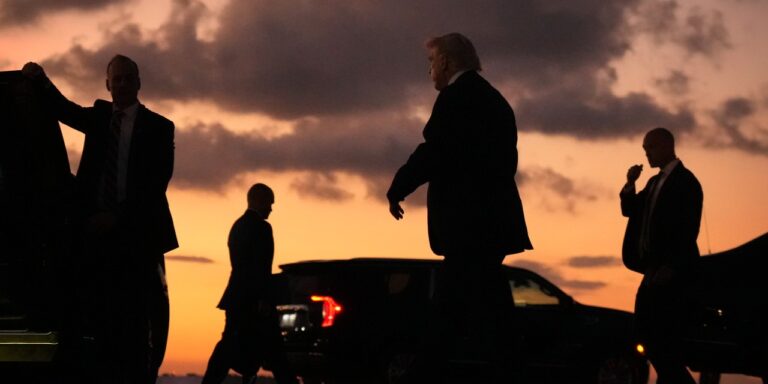
The United States is currently experiencing an unprecedented moment in its political history, as a partial government shutdown has officially become the longest on record. The ongoing impasse stems from a deep-seated disagreement among Washington lawmakers regarding the appropriation of funds for the Department of Homeland Security (DHS).
By Sunday, the federal funding lapse had stretched to 44 days, exceeding all previous government closures in the nation’s past. This prolonged stoppage has triggered significant disruption, particularly evident in American airports where security checkpoints, managed by the Transportation Security Administration (TSA), are facing extensive delays and employee shortages due to staff working without pay.
Airport Disruptions and Executive Action
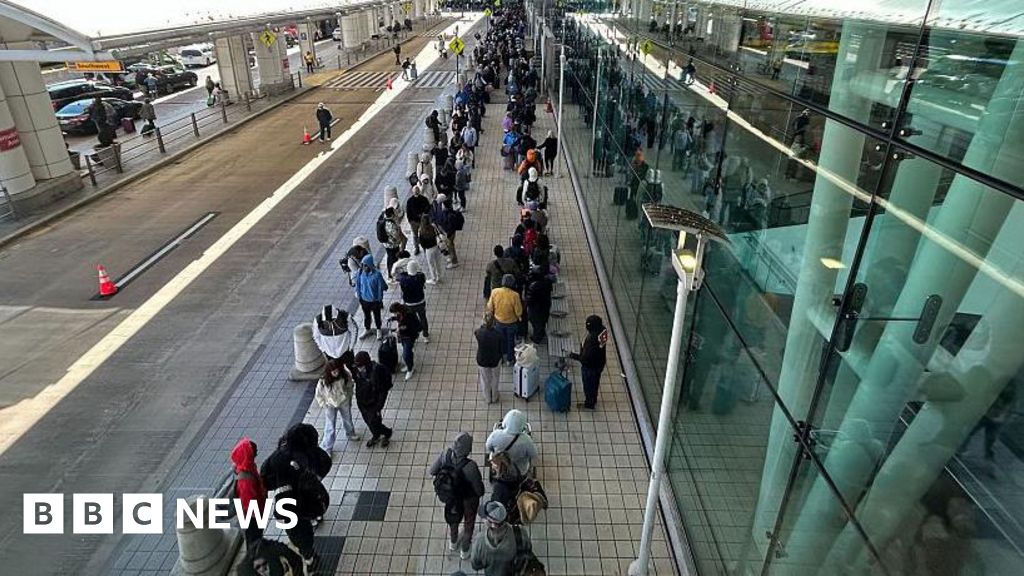
Photo: bbc.com
The impact of the shutdown on daily life is most acutely felt in air travel, with some airport security lines extending considerably and causing hours-long waits for passengers. In response to the growing crisis, White House border czar Tom Homan indicated on Sunday that TSA personnel could expect to receive payment early the following week, a development spurred by an executive order signed by President Donald Trump aimed at releasing necessary funds.
However, the legality of President Trump’s executive action remains uncertain, as the U.S. Constitution expressly grants Congress the authority to approve federal government spending. Despite these efforts, President Trump reiterated his commitment to ensuring TSA agents are paid for “as long as we need to,” while simultaneously urging Congress to pass a comprehensive funding bill to resolve the shutdown.
Ongoing Standoff and Border Security
Speaking to CBS, a U.S. news partner of the BBC, Tom Homan also stated that agents from Immigration and Customs Enforcement (ICE), who have been deployed to assist at airports during the travel disruptions, would maintain their presence even after the shutdown concludes. He clarified that ICE agents would remain “until the airports feel like they are 100%,” emphasizing the need to secure these vital transportation hubs and support TSA operations.
Despite the severe disruptions, a resolution to the funding feud between Republicans and Democrats over the DHS — which oversees TSA, immigration agencies, and the primary disaster relief body — appears distant. Congress recently recessed for a two-week break without reaching a compromise, leaving the Department of Homeland Security without full funding since February 14th and the record-breaking shutdown in full effect.