A recent legal development has seen electric vehicle giant Tesla Inc. unsuccessful in its attempt to dismiss a substantial $243 million verdict. The verdict was originally issued in connection with a lawsuit stemming from a fatal crash involving the company’s Autopilot driver-assist system. This decision marks a significant setback for Tesla in its ongoing legal challenges related to its advanced driving technologies.
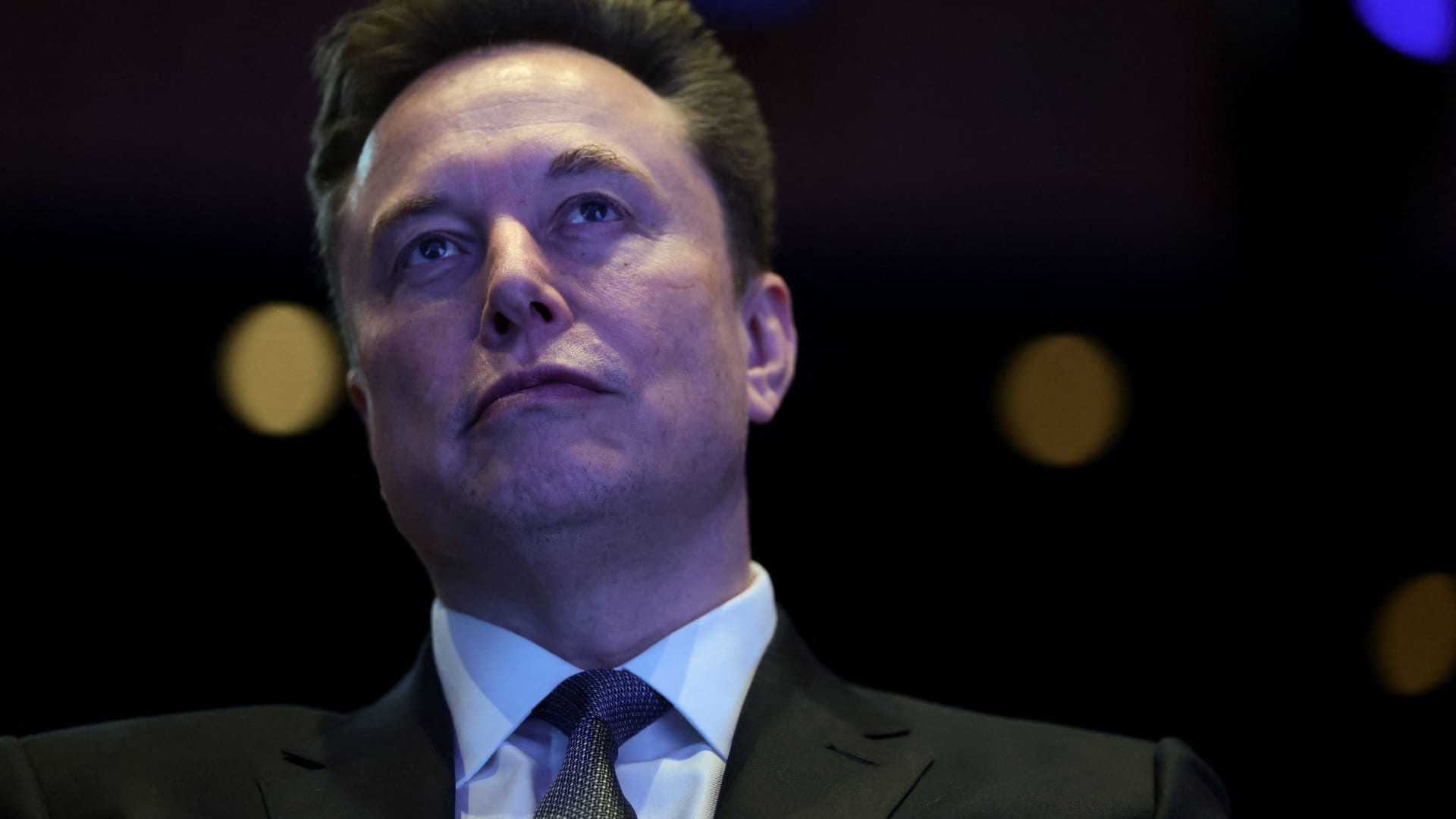
Photo: cnbc.com
Court Upholds Jury’s Finding
The ruling confirms the original jury’s findings, which held Tesla liable in the tragic accident. The initial lawsuit concerned a crash that resulted in a fatality, where the plaintiff argued that the Autopilot system was a contributing factor. Tesla had sought to nullify the financial judgment, arguing against the basis or amount of the damages awarded. However, the court’s decision to deny Tesla’s motion means the significant compensation awarded to the victims’ families will stand, barring any further appeals.
Implications for Autonomous Driving Technology
This judicial outcome carries considerable weight for Tesla and the broader autonomous driving industry. It underscores the increasing scrutiny and potential liability faced by manufacturers developing and deploying advanced driver-assistance systems (ADAS) and self-driving technologies. As these systems become more prevalent, legal precedents like this one could shape future product development, regulatory frameworks, and how companies communicate the capabilities and limitations of their technology to consumers.
The case is one of several legal battles Tesla is currently navigating concerning its Autopilot and ‘Full Self-Driving’ (FSD) features, highlighting the complex intersection of cutting-edge technology and legal accountability in the automotive sector.