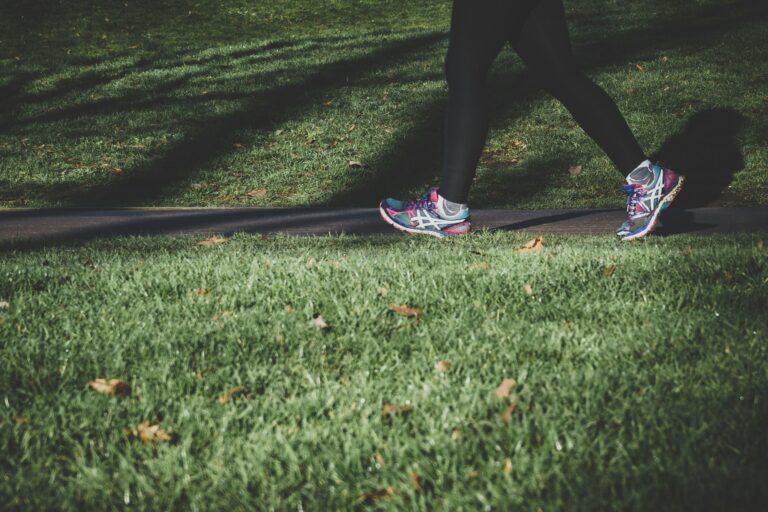
Forget complex pharmaceuticals; the most potent medicine available is simply movement, according to groundbreaking research from Wits University. Scientists there have definitively shown that physical activity is a critical, often overlooked, element in preventing and mitigating a wide array of diseases, aiding recovery, and bolstering mental well-being.
As Professor Demitri Constantinou, a specialist in Sports and Exercise Medicine at Wits, explains, human beings are inherently designed for motion. “When we stop moving, our bodies start to deteriorate… and it happens rapidly,” he states. His team’s investigations reveal that even a single day of physical inactivity can trigger noticeable adverse alterations in cardiovascular and musculoskeletal systems. Conversely, engaging in physical activity prompts the release of vital signaling molecules that positively influence cellular metabolism, regeneration processes, and immune function. The beneficial effects, he notes, can begin with an action as fundamental as standing up.
The Scientific Imperative for Motion
The adage “sitting is the new smoking” holds significant weight, with research emphasizing that any form of movement surpasses complete stillness. Constantinou highlights that merely choosing to stand instead of sit can yield measurable health improvements. Studies conducted by his department encompassed diverse adult populations, from manual laborers and office professionals to university students and recovering patients, consistently demonstrating movement’s profound impact.
Findings indicate that both ‘prehabilitation’ (optimizing a patient’s physical and mental state before surgery) and rehabilitation through exercise significantly accelerate recovery, diminish complications, and elevate the overall quality of life. Despite being one of the most powerful interventions at our disposal, exercise remains an under-prescribed ‘medicine,’ a point Constantinou stresses. The inverse, a sedentary lifestyle, regrettably contributes to premature mortality.
Everyday Movement: A Powerful Health Catalyst
Professor Philippe Gradidge, whose extensive work focuses on physical activity, obesity, and sedentary behavior, underscores that the benefits of movement aren’t exclusive to high-intensity sports. Instead, it’s the accumulation of ‘micro-movements’ throughout the day, week, and lifespan that truly makes a difference. His team’s studies confirm that even minor adjustments, such as walking, standing, or gentle stretching, can substantially enhance both physical and mental health.
For office workers, the implementation of standing desks has been shown to improve posture, alleviate back pain, and sharpen concentration. Similarly, structured walking programs have successfully boosted heart health and mood among South African women. Gradidge reinforces the idea that “movement is medicine—and it works even in small doses.” He also challenges the popular 10,000-step daily target, citing emerging evidence that suggests as few as 2,000 to 4,000 steps daily can effectively reduce symptoms of depression. Furthermore, movement has proven instrumental in pain management, stress regulation, improving health markers like elevated blood pressure, and increasing self-awareness of one’s physical state.
Building a Healthier, More Active Future
While small steps are valuable, Professor Jon Patricios, an expert in Sports Science and Exercise Medicine, advocates for adhering to the World Health Organization’s guidelines of 300 minutes of moderate-intensity exercise per week to fully reap its well-documented benefits. Patricios, a prolific researcher, recently co-authored a study published in the British Journal of Sports Medicine that illuminated the impact of regular exercise on cancer outcomes. The study revealed that merely 60 minutes of weekly exercise could reduce the likelihood of cancer progression by 27% and death by a remarkable 47%. This compelling evidence, Patricios argues, should compel medical professionals to widely adopt exercise as a primary prescription, recognizing it as “the most powerful and accessible prescription that we can give our patients.”
In a significant stride towards promoting active living, Wits University is set to open the Brian and Dorothy Zylstra Sports Complex in 2026. This integrated, state-of-the-art facility will serve as a hub for training, research, and clinical practice, offering world-class amenities including an aquatics center and athlete residences. Dr. Georgia Torres, Chief Operations Officer of the Complex and a researcher in exercise and mental well-being, emphasizes that movement must be accessible to everyone, including those in low-resource settings. “Movement gives people agency,” she asserts.
The broader challenge, as Gradidge points out, lies in reshaping societal infrastructure to encourage activity. Our current urban environments are not always conducive to active lifestyles, lacking features like inviting pavements, accessible parks, and integrated public transport systems that promote movement. Initiatives such as free-to-access park runs are vital in a nation grappling with declining exercise levels. Torres concludes that both the Zylstra Complex and Wits’ commitment to the Global Alliance for the Promotion of Physical Activity represent significant progress in embedding movement into daily life, characterizing it as “prevention, connection, and empowerment—the simplest science of all but the hardest habit to build.”