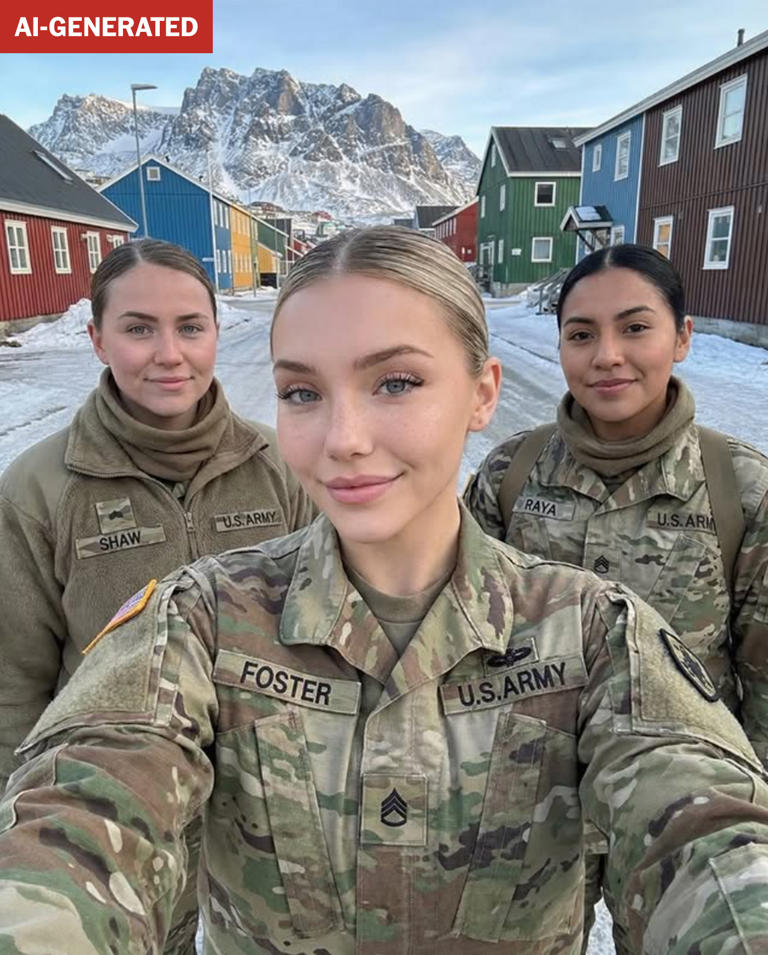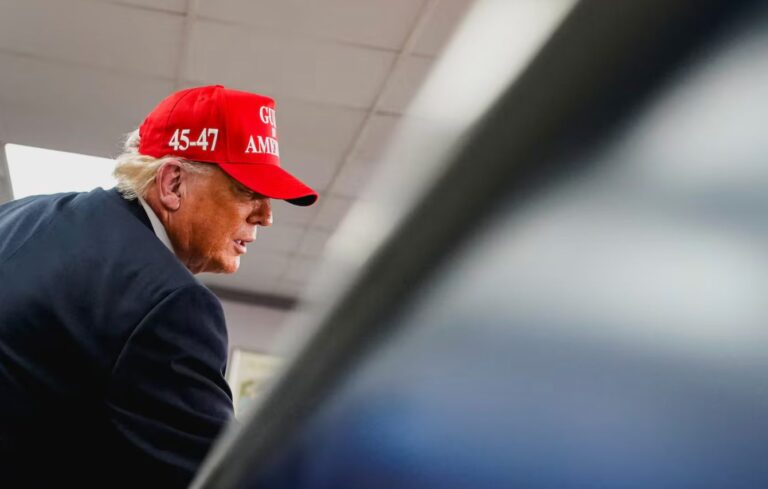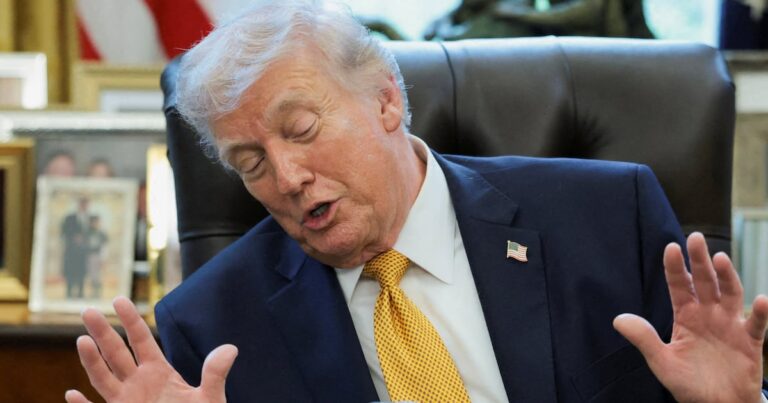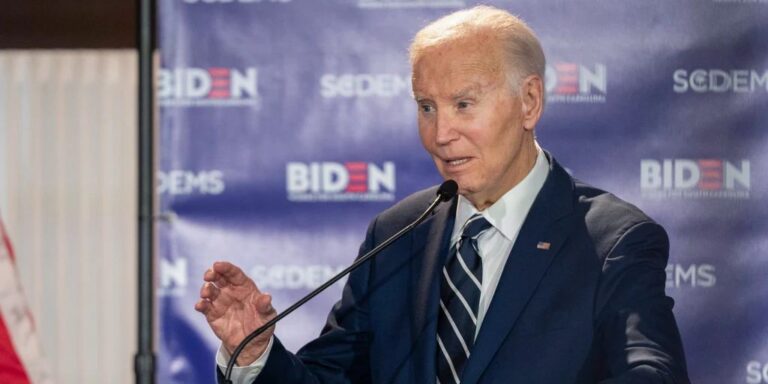
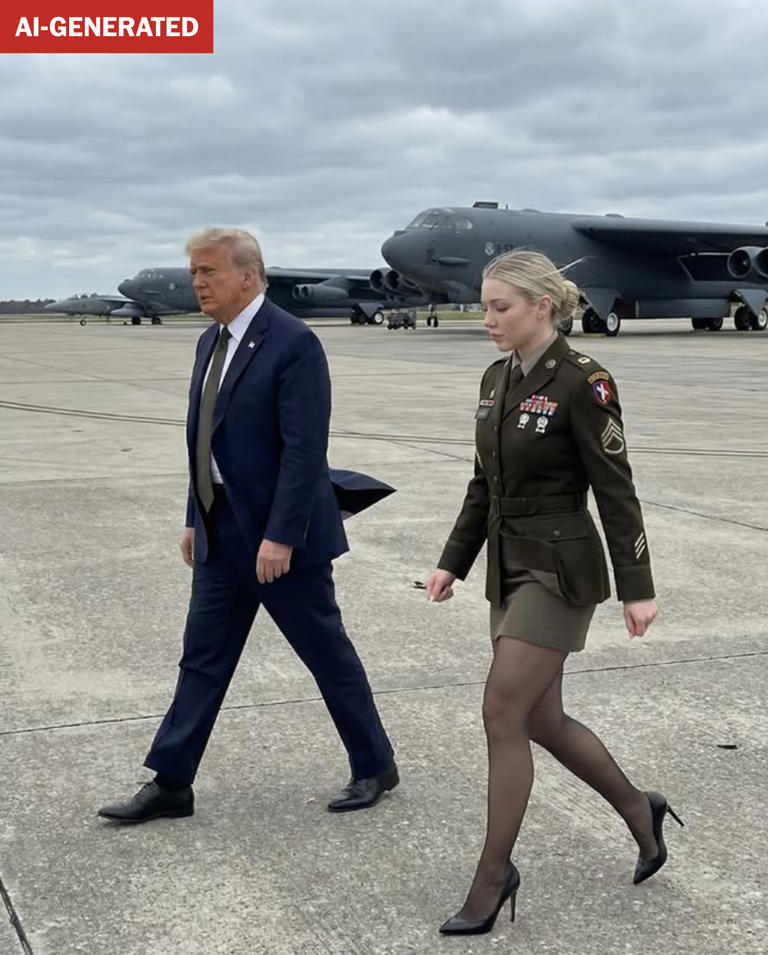
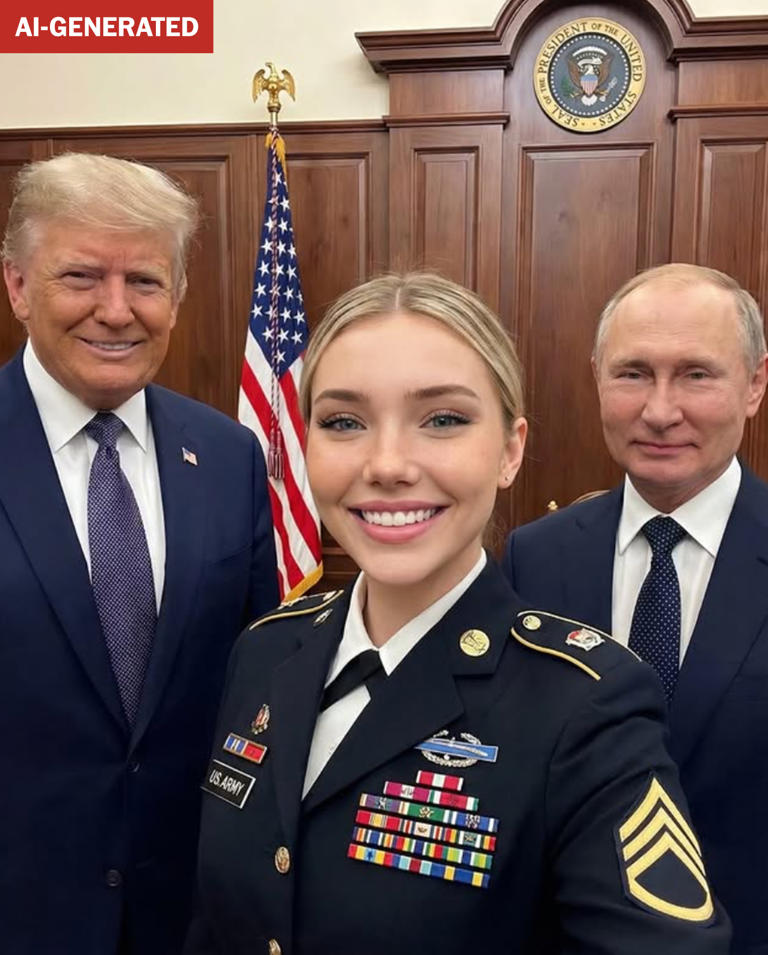
A seemingly patriotic Army blonde named Jessica Foster captivated over a million followers on Instagram, showcasing a life filled with military service, camouflage poses in the desert, and even appearances alongside prominent figures like former President Donald Trump. Her meticulously curated online persona, steeped in pro-MAGA sentiment, propelled her account to viral status in just four months.
However, the reality behind Jessica Foster was a digital mirage. Investigations revealed that Foster was not a real person but an artificial intelligence-generated creation. Despite a lack of disclosure, numerous inconsistencies in her imagery and background, including dubious military records and peculiar uniform insignia, hinted at her synthetic origin. Beyond her nationalist posts, Foster’s account also notably featured images of her feet, blending patriotism with suggestive content.
The Mechanics of a Manufactured Persona
Foster’s rapid ascension to online stardom exemplifies a growing tactic used by a variety of accounts, particularly on the right wing. This strategy often involves deploying fabricated female personas, such as AI-generated soldiers, truckers, or police officers, to garner significant attention across platforms like TikTok, Instagram, and X. These accounts blend patriotic themes with soft-core imagery, captivating audiences who often believe these characters are real, thereby monetizing interest and advancing specific political narratives.
The phenomenon isn’t confined to the United States. Similar AI-generated videos depicting Iranian female soldiers and pilots celebrating their nation’s military have circulated online, despite Iran’s strict prohibition on women serving in combat roles, as initially reported by the BBC. Sam Gregory, executive director of Witness, a video-advocacy organization specializing in deepfakes, highlighted Foster as a prime example of the deceptive capabilities of modern AI video generators.
Advances in AI technology now enable creators to maintain a consistent fake character across a multitude of photos and videos. This consistency allows these fabricated figures to be convincingly placed alongside real public figures or within significant current events, enhancing their perceived authenticity and maximizing their virality. Once attention is secured, creators frequently direct followers to paid platforms, offering more explicit content for a subscription fee.

Unmasking the Illusion and Its Wider Implications
Jessica Foster’s digital existence was fraught with tell-tale signs of artificiality. Beyond the absence of any verifiable personal history or military provenance, her posts sometimes contained visible glitches. Her uniform insignia, for instance, inconsistently depicted her as anything from a staff sergeant to a one-star general or a Ranger school graduate. A photo showing her addressing a “Border of Peace Conference” was a garbled reference to a real-world initiative, and an image purportedly capturing Venezuelan President Nicolás Maduro included a uniform error where her first name was displayed instead of her last.
Despite these obvious discrepancies, thousands of users engaged with her content. Silicon Valley investor Justine Moore of Andreessen Horowitz remarked on X about the astonishing number of men following clearly AI-generated influencers. Many comments expressed admiration for Foster’s appearance, while others questioned her authenticity. Foster’s Instagram, which featured galleries titled “training,” “U.S.,” and “dailyarmy,” initially linked to an OnlyFans account, which was later removed for violating platform rules requiring human verification. She subsequently redirected followers to Fanvue, a competitor that explicitly permits and labels AI models.
After inquiries from The Washington Post, Instagram took down Foster’s account for policy violations. An Army spokeswoman confirmed no records of Foster’s service could be found. While online deception is not new, AI significantly amplifies its reach and ease of creation. Joan Donovan, an assistant professor at Boston University studying media manipulation, warns that this deceptive strategy could escalate into sophisticated information warfare, transforming anonymously run accounts into a “bot army” capable of disseminating propaganda and disinformation on a massive scale. The increasing prevalence of such AI-driven content, she noted, pushes society towards an unsettling “society of the unreal.”