In an era dominated by pharmacological solutions, a compelling message from researchers at Wits University suggests that the most powerful “drug” for a healthy life isn’t found in a pill, but in the simple act of movement itself. This isn’t merely a health trend; it’s a fundamental truth backed by scientific inquiry, positing movement as a critical element missing from South Africa’s health narrative.
Experts from Wits have meticulously demonstrated that physical activity holds immense power to prevent and mitigate the impact of various diseases, including certain cancers, significantly enhance recovery processes, and safeguard mental well-being. It’s a profound intervention, yet often underutilized.
Unlocking the Body’s Innate Potential
Professor Demitri Constantinou, a specialist in Sports and Exercise Medicine at Wits, emphasizes that human physiology is inherently designed for motion. “When we stop moving, our bodies start to deteriorate… and it happens rapidly,” he explains. His team’s research underscores this, revealing that even a single day of inactivity can lead to detectable alterations within the cardiovascular and musculoskeletal systems. Conversely, engaging in physical activity triggers the release of crucial signaling molecules that positively influence cellular metabolism, regenerative processes, and immune function. The transformative effects, Constantinou notes, can begin with an act as simple as standing up.
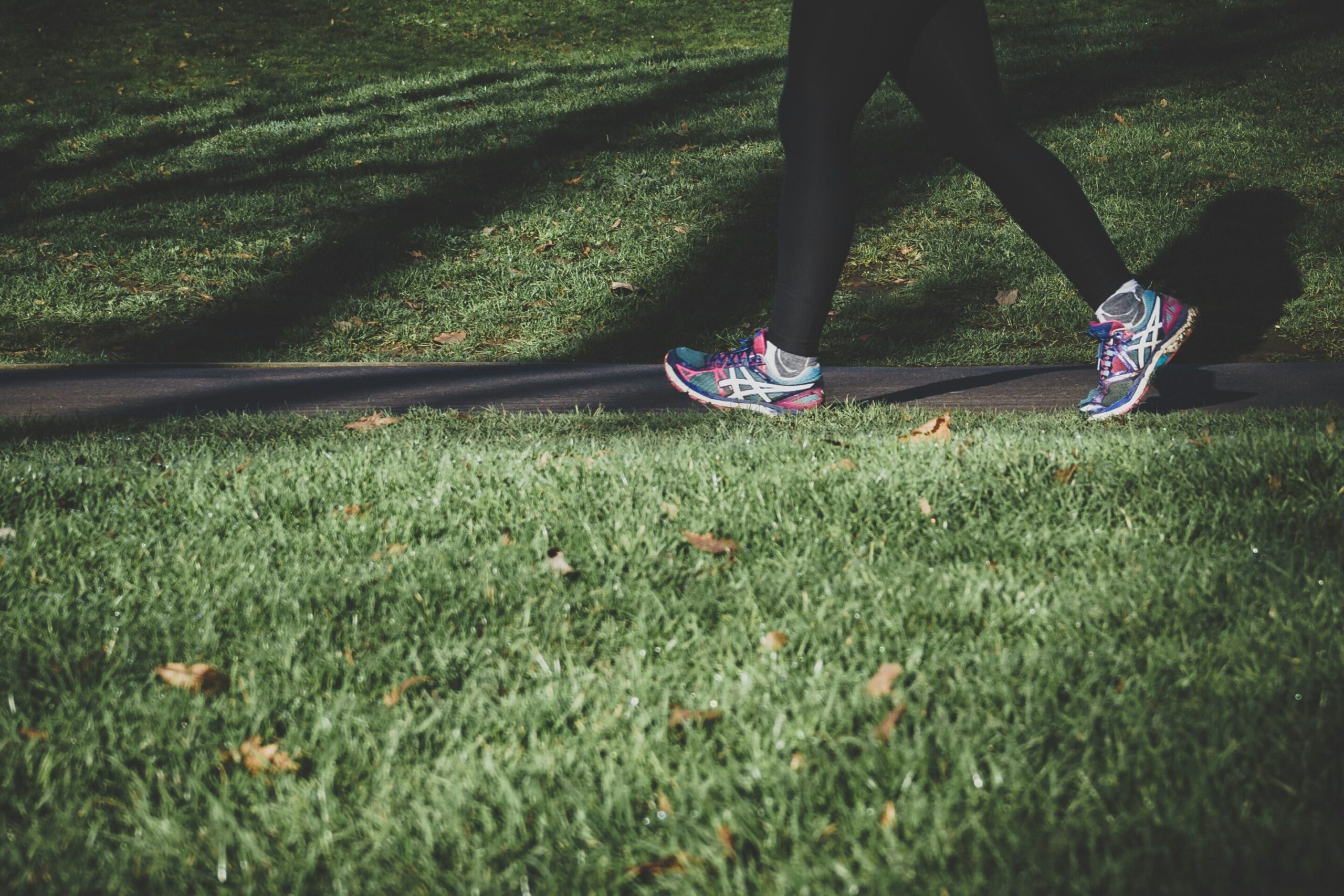
The stark reality of modern life often promotes sedentary habits, leading researchers like Professor Philippe Gradidge, who studies physical activity, obesity, and sedentary behavior, to assert that “sitting is the new smoking.” His work, which includes evaluating the benefits of ‘standing desks’, illustrates that any form of movement surpasses none. Even minor adjustments, such as choosing to stand rather than sit, can yield measurable health improvements.
Movement as a Holistic Therapy
The Department of Exercise Science and Sports Medicine at Wits has conducted extensive research across diverse adult populations, including blue-collar workers, office staff, students, and patients recuperating from illness. Their findings consistently highlight the profound impact of exercise in both prehabilitation—preparing patients physically and mentally for surgery—and rehabilitation, where it markedly improves recovery rates, minimizes complications, and elevates overall quality of life. According to Constantinou, “Exercise before, during and after illness is one of the most powerful interventions we have and yet it is under-prescribed.” The flip side of this truth is equally sobering: a sedentary existence can have fatal consequences.
Professor Gradidge’s studies reveal that impactful movement isn’t about engaging in extreme sports but rather about integrating ‘micro-movements’ throughout the day, accumulating benefits over a lifetime. His team has shown that small changes, like walking, standing, or light stretching, can significantly boost both physical and mental health. Specifically, standing desks have been linked to improved posture, reduced back pain, and enhanced focus among office workers, while structured walking programs have bolstered heart health and mood in South African women. Gradidge reinforces the idea that “Movement is medicine—and it works even in small doses.”
Furthermore, Gradidge challenges the conventional wisdom surrounding step counts, noting that “You don’t need 10,000 steps to start feeling better. In fact, emerging evidence suggests that as few as 2,000 to 4,000 steps daily can help reduce depressive symptoms.” His research demonstrates that consistent movement helps individuals manage pain, regulate stress, improve health markers like elevated blood pressure, and foster greater awareness of their physical state. The goal, he explains, is to participate in environments that encourage joyful and safe movement, free from constraints.
Cultivating an Active Future
While acknowledging the profound impact of small steps, Professor Jon Patricios, also of the Faculty of Health Sciences, advocates for adhering to the World Health Organization’s guideline of 300 minutes of moderate-intensity exercise per week to maximize its well-documented benefits. Patricios is a leading advocate for exercise as medicine, working with corporations like Discovery Vitality. He recently co-authored a study published in the British Journal of Sports Medicine, which revealed that as little as 60 minutes of regular weekly exercise could reduce the likelihood of cancer progression by 27% and death by 47%. “Regular physical activity is the most powerful and accessible prescription that we can give our patients,” Patricios asserts.
Wits University is further cementing its commitment to promoting physical activity with the upcoming launch of the Brian and Dorothy Zylstra Sports Complex in 2026. This cutting-edge facility will integrate training, research, and clinical practice, offering world-class resources including an aquatics center and elite athlete residence. It will serve as a hub for healthcare professionals and scientists, accessible to both students and the public.
Dr. Georgia Torres, a researcher in exercise and mental well-being and Chief Operations Officer of the new Complex, stresses the universal importance of movement, even in communities with limited resources where formal exercise might be less accessible. “Movement gives people agency,” she states.
The broader challenge, as highlighted by Gradidge, lies in transforming societal structures to actively encourage movement. “Our built environment isn’t designed for active living,” he laments, advocating for public spaces like pavements, parks, and transport systems that invite, rather than restrict, physical activity. Initiatives such as free-to-access park runs are exemplary in fostering active living in a nation experiencing declining exercise rates.
The Zylstra Complex, alongside Wits’ involvement in the Global Alliance for the Promotion of Physical Activity, signals a promising stride toward embedding movement into daily life. Torres concludes, “Movement is prevention, connection and empowerment. It’s the simplest science of all but the hardest habit to build.”