For nearly four decades, Aadam Jacobs did something most people wouldn’t have the patience for — he showed up to live shows with recording gear and documented them.
Over time, that habit turned into an archive of more than 10,000 concerts.
What started as a personal obsession slowly became one of the largest collections of live music recordings ever built by a single person.
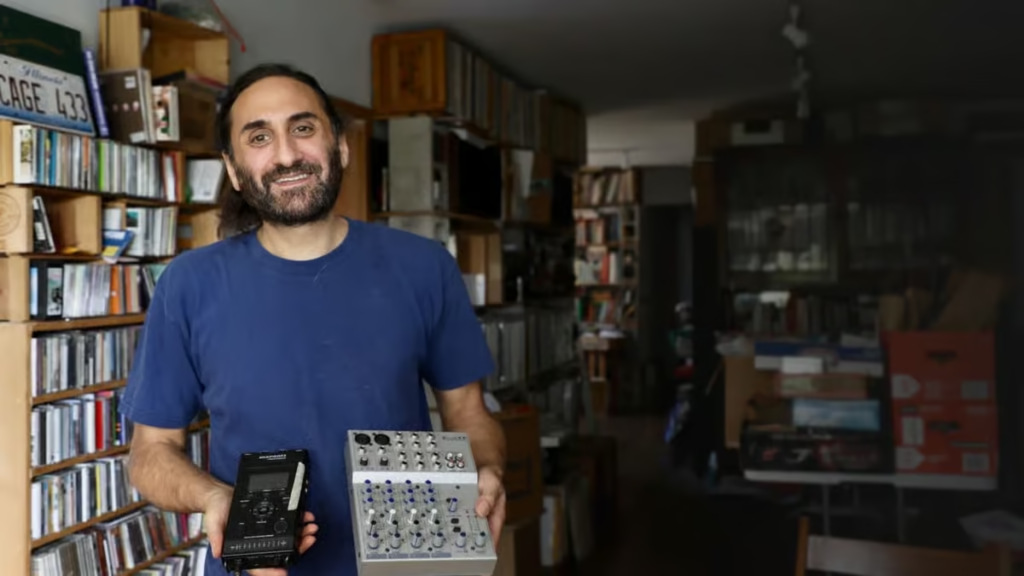
Jacobs recorded everything he could — from small underground gigs to bigger performances — often attending shows week after week. At some point, recording became second nature. Watching a concert without hitting record just didn’t feel right anymore.
Most of these recordings were stored on old cassette tapes, packed away over the years. For a long time, they just sat there — unheard by anyone except a small circle.
That’s now changing.
With the help of volunteer John Emerick, the massive archive is finally being brought online. Emerick has been working on digitizing the tapes, cleaning up the audio, and organizing the recordings so they can be shared publicly.
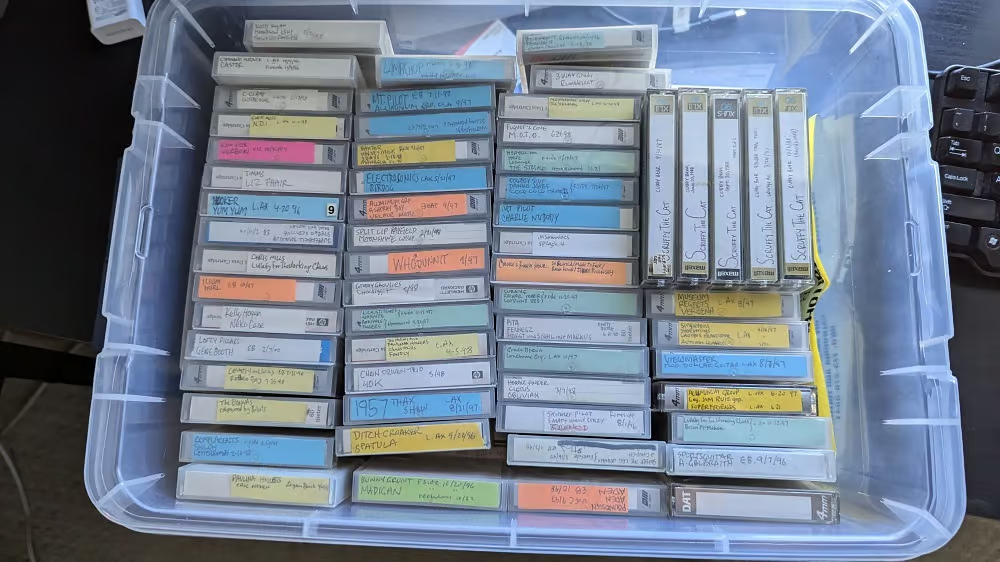
It’s not a small task. Thousands of tapes need to be converted, labeled, and uploaded — but the goal is simple: make the entire collection available for free.
What makes this archive special isn’t just the number of recordings, but what they capture.
Some shows feature artists long before they became well-known. Others document scenes and moments that were never officially recorded. In many cases, these performances would have been lost completely if Jacobs hadn’t been there.
There were times when recording concerts wasn’t exactly welcomed. Venues occasionally pushed back, and access wasn’t always guaranteed. But over time, Jacobs became a familiar presence, and in some places, he was even allowed in because people knew what he was doing mattered.
Now, years later, that persistence is paying off.
Instead of keeping the recordings private, Jacobs chose to share everything — turning a personal collection into something anyone can explore.
It’s essentially a time capsule of live music, built one show at a time.
And for fans, it means thousands of concerts that would have disappeared forever are finally getting a second life — online, and free for anyone who wants to listen.