In a significant strategic move, rideshare behemoth Uber is reportedly set to acquire Blacklane, a prominent global chauffeur service. This acquisition signals Uber’s deepening foray into the premium and luxury transportation sector, potentially reshaping its service offerings and competitive landscape.
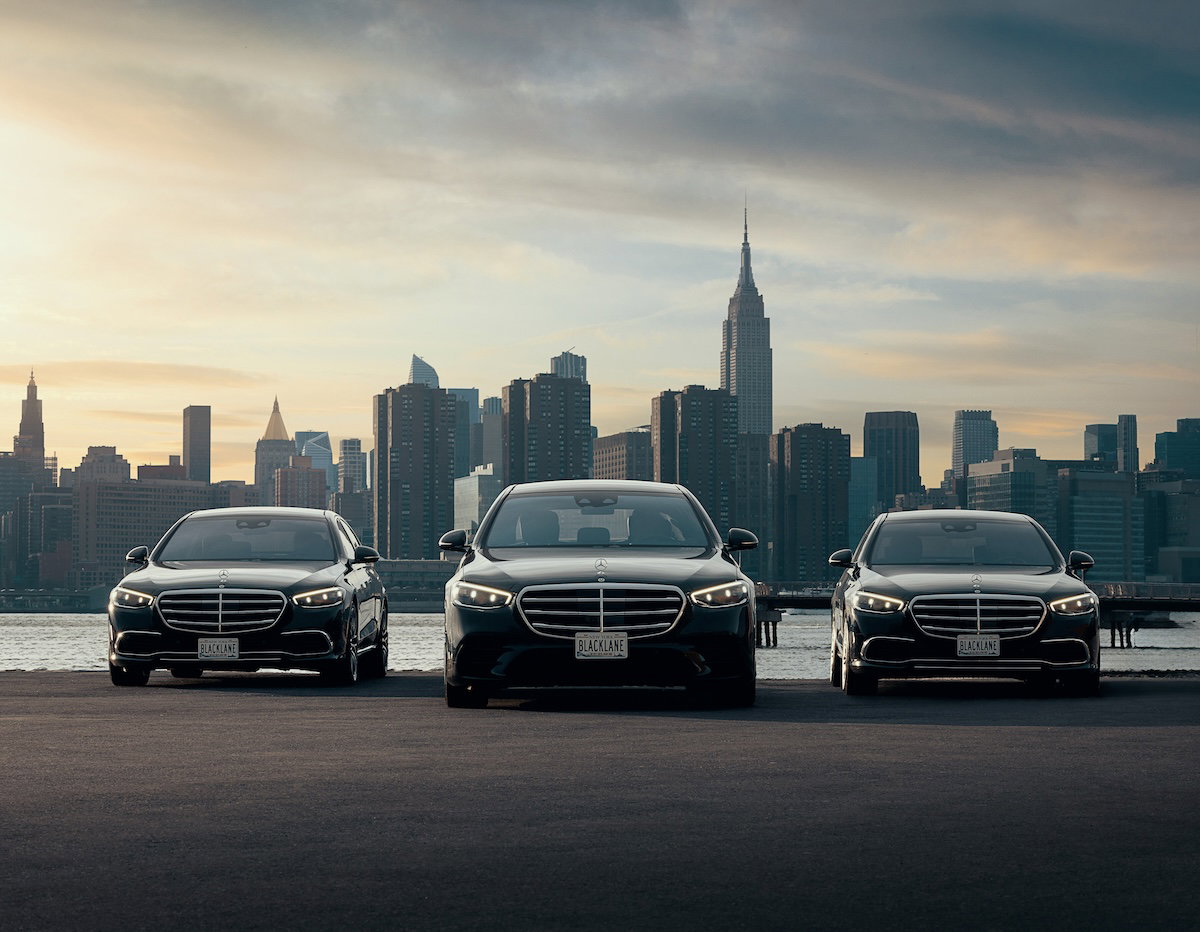
Photo: onemileatatime.com
Revisiting Uber’s Roots with a Premium Edge
Blacklane operates as a pre-booked, professional chauffeur service known for its high-end vehicles and uniformed drivers, often catering to corporate clients and discerning travelers. Airlines like Emirates have notably leveraged Blacklane for their complimentary chauffeur services for first and business class passengers. This move by Uber harks back to its own origins, as the company initially launched as “UberCab” in San Francisco in 2008, focusing on a black car, limo-style experience before its rapid expansion into the more accessible, everyday rideshare model we know today.
The integration of Blacklane could position Uber to reclaim a segment of the luxury market, offering a more refined and reliable option than its existing Uber Black or Uber Luxe services, which some users feel have seen a decline in consistency and quality over time. While Blacklane is currently perceived as a high-cost service, industry observers are keen to see if Uber’s considerable operational scale can influence Blacklane’s pricing structure, potentially making premium chauffeur services more broadly accessible, or if the luxury segment’s pricing will remain largely insulated.
Navigating Customer Loyalty and Market Dynamics
The acquisition is expected to ripple through various aspects of the travel and finance industries. For frequent travelers and consumers, there’s immediate speculation regarding the fate of existing credit card benefits and loyalty programs tied to either Blacklane or rival rideshare platforms. For instance, programs offering credits or redemption options with Blacklane, such as Bilt Cash or Citi Strata Elite, might undergo revisions, with some anticipating a shift towards Lyft credits if non-compete clauses are in play.
Uber has a history of maintaining separate brand identities post-acquisition, as seen with Postmates continuing as a distinct app mirroring Uber Eats. This suggests Blacklane might retain its brand recognition while benefiting from Uber’s technological infrastructure and broader network. However, the core challenge will be delivering on the promise of a consistently high-quality, reliable chauffeur experience that some current Blacklane users have noted can be inconsistent. The integration also aligns with Uber’s recent push into “Uber for Business” and “Uber Elite,” aiming to capture a larger share of executive and corporate travel.
This strategic move underscores Uber’s continuous evolution, seeking to diversify its portfolio beyond mainstream ridesharing and re-establish a strong presence in the premium mobility sector. The coming months will reveal how Uber plans to merge Blacklane’s luxury service with its vast ecosystem, impacting pricing, service quality, and the competitive landscape for high-end ground transportation.