Photo: onemileatatime.com
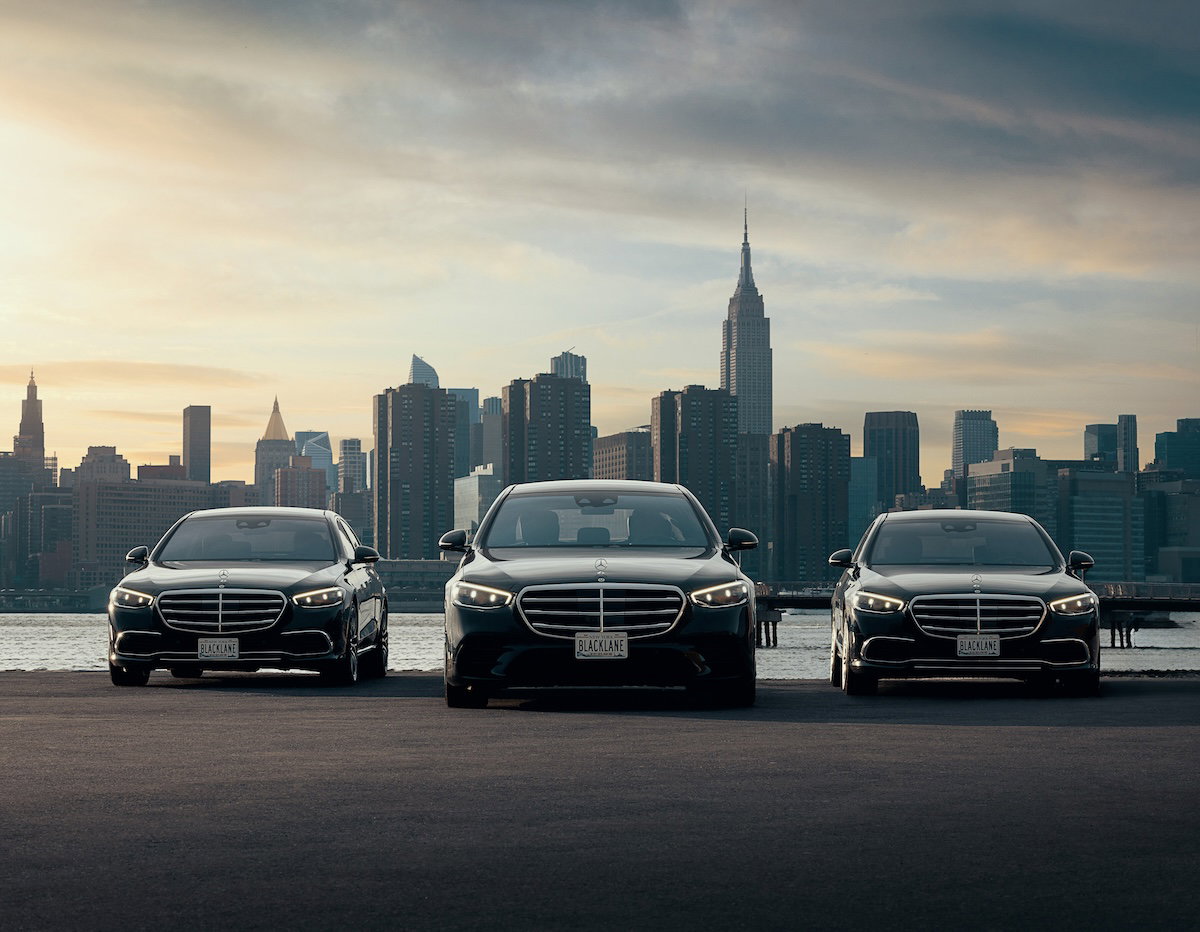
Ridesharing titan Uber is reportedly moving to significantly bolster its luxury transportation portfolio through the acquisition of Blacklane, a prominent global chauffeur service. This strategic move is poised to bring high-end, pre-booked chauffeured experiences directly into Uber’s expansive ecosystem, signaling a renewed focus on the premium segment of the ground transportation market.
Blacklane has established itself as a go-to provider for discerning travelers, often utilized by major airlines for their chauffeur services and favored by corporate clients for reliable, comfortable airport transfers and executive travel. The integration of Blacklane’s established network and reputation for quality could allow Uber to offer a more robust and consistent premium service globally, differentiating itself further in an increasingly competitive landscape.
A Return to Uber’s Premium Roots?
For many observers, this acquisition represents a potential full-circle moment for Uber. The company initially launched as ‘UberCab’ in 2008, offering a black car service in select cities, a model closely aligned with Blacklane’s current operations. Over the years, Uber expanded rapidly with its more accessible UberX service, which, while democratizing rideshares, also saw a perceived decline in the premium experience.
The acquisition of Blacklane could signify Uber’s intent to reclaim its footing in the luxury transport sector, offering a distinct, high-quality option that aims to provide superior vehicles and professional drivers. This could stand in contrast to the current ‘Uber Black’ offering, which some users feel no longer consistently delivers on its initial promise of a premium experience.
Market Impact and Consumer Considerations
The market is already buzzing with speculation regarding the implications of this acquisition. One key area of discussion revolves around pricing. Blacklane is known for its higher price point, reflecting the quality of service. There’s a debate among consumers and industry analysts on whether Uber’s scale will lead to a reduction in Blacklane’s operating costs, and if those savings will translate into lower prices for customers, or if prices will remain high, driven by market demand and potentially reduced competition.
The acquisition also brings into question the future of existing financial partnerships and customer benefits. For instance, some credit card programs, like those associated with Bilt Cash or Citi Strata Elite, currently offer credits or redemption options tied to Blacklane or competing services. There are concerns that these benefits might be altered or phased out, potentially impacting cardholders.
While some express skepticism about Uber’s ability to maintain Blacklane’s premium service standards given past experiences with its own luxury tiers, others suggest Blacklane might operate as a distinct brand under the Uber umbrella, similar to how Postmates functions alongside Uber Eats. This approach could allow Blacklane to retain its brand identity and service integrity while leveraging Uber’s technological infrastructure and broader reach. The move also aligns with Uber’s recent emphasis on its ‘Uber for Business’ platform, aiming to capture more corporate travel bookings from traditional ‘limo’ services.