
Emerging research suggests that the root causes of neurodegenerative conditions like Alzheimer’s and dementia may extend beyond the brain itself, pointing instead to the intricate relationship between our gut and our overall systemic health. Chronic, body-wide inflammation, often originating in the gut, has been identified as a silent contributor that can propel the brain towards cognitive impairment. But how does an organ primarily responsible for digestion exert such a profound influence on brain function?
The answer lies in the ‘gut-brain axis,’ a complex, bidirectional communication network that serves as a superhighway between the digestive tract and the central nervous system. This vital connection operates through a rich exchange of chemical messengers, including neurotransmitters and fatty acids, which continuously relay information impacting our memory, mood, and inflammatory responses.
A comprehensive analysis of 15 studies, involving over 4,200 participants, has shed light on the potential of this gut-brain pathway as a non-pharmacological route to bolster cognitive health. The findings indicate that by strategically modulating the gut microbiota through dietary adjustments, supplements, or advanced medical procedures like fecal microbiota transplantation (FMT), individuals can experience improvements in memory, executive function, and global cognitive performance. This benefit appears particularly pronounced in the early or mild stages of cognitive impairment.
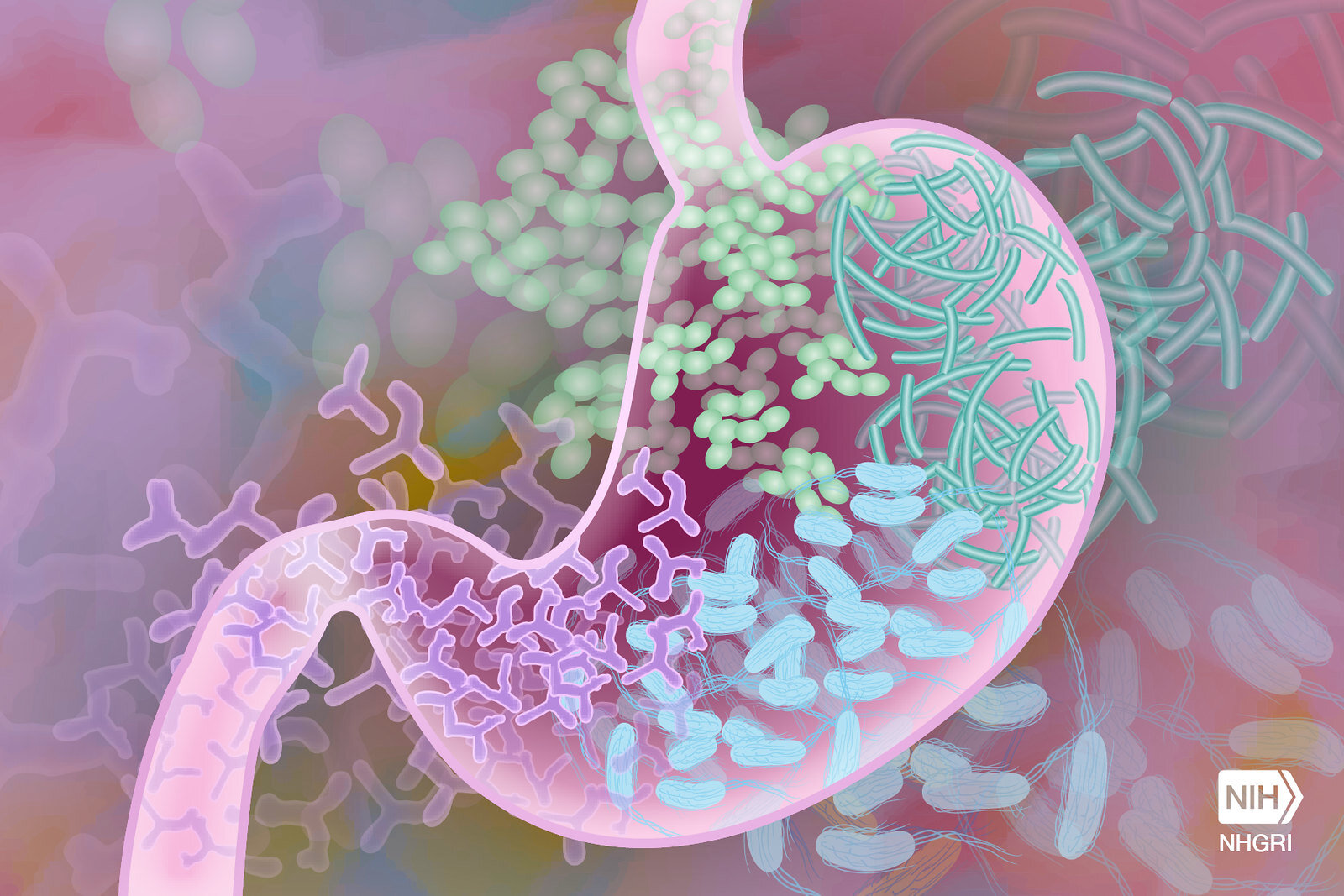
Photo: medicalxpress.com
The protective effect observed is primarily attributed to an increase in beneficial gut bacteria, which produce compounds known to slow cognitive decline and mitigate inflammation throughout the body. These compelling results were recently published in the journal Nutrition Research.
The Gut Microbiota: Architects of Brain Health
At its core, the human gut functions as a bustling anaerobic ecosystem, a diverse habitat teeming with a vast array of microorganisms, including bacteria, fungi, and protozoa. Collectively known as the microbiota, these organisms colonize various regions of the gut lining, forming the bulk of the human microbiome, which encompasses over a thousand different microbial species.
Numerous studies have firmly established the critical role of gut microbiota in both brain development and cognitive function. As individuals age, or if they consistently adhere to unhealthy dietary patterns, the delicate balance of the gut bacterial community can shift from beneficial to detrimental. This state, termed ‘dysbiosis,’ can silently accelerate brain decline by triggering systemic inflammation, compromising the brain’s protective barrier, and facilitating the accumulation of harmful proteins associated with Alzheimer’s disease.
While previous research often examined gut microbiota treatments in isolation, the aim of this particular study was to provide a broader perspective. Researchers sought to understand how various specialized diets, probiotics, and transplants collectively enhance the gut microbiota, and to compare their relative effectiveness.
Targeted Interventions Yielding Cognitive Benefits
The research team meticulously focused on studies involving adults over the age of 45 who were experiencing memory issues. They specifically looked for interventions that directly or indirectly targeted gut bacteria, and for cognitive outcomes that were measured using validated brain function tests. Following a rigorous screening process of thousands of studies across five major medical databases, they pinpointed 15 highly relevant clinical trials from Europe, Asia, North America, and the Middle East.
These trials, encompassing 4,275 participants, investigated the impact of diverse approaches. These included dietary interventions such as the plant-rich Mediterranean diet and the low-carb, high-fat ketogenic diet; supplements like probiotics, omega-3 fatty acids, and synbiotics; and medical procedures such as fecal microbiota transplantation (FMT), which involves transferring healthy gut bacteria from a donor.
The findings demonstrated that both the Mediterranean and ketogenic diets enhanced cognitive performance by restructuring the gut microbiota and increasing the production of neuroprotective chemicals, notably GABA. Similarly, bolstering the gut with probiotics, and especially through FMT, led to improved cognitive function. Notably, FMT induced faster and more dramatic positive changes in gut health.
Beyond cognitive improvements, these interventions also initiated beneficial biological shifts. These included greater microbial diversity, increased production of short-chain fatty acids, and a reduction in brain inflammation—all crucial elements contributing to a healthier brain environment. The team also observed that while diets and gut-focused interventions showed clear advantages for individuals with early or mild cognitive impairment, their impact was limited in patients with advanced Alzheimer’s disease.
Consequently, the researchers underscore a critical message: while gut interventions represent a powerful tool for slowing cognitive decline, timing is paramount. The earlier these interventions are initiated, the more effective they tend to be in preserving cognitive function.