
In a groundbreaking series of studies, researchers at Wits University are championing a fundamental truth: movement isn’t merely a lifestyle choice for fitness enthusiasts, but rather the most profound “drug” available for preventing disease, enhancing recovery, and safeguarding mental well-being. Their compelling findings suggest that physical activity is the crucial missing ingredient in public health strategies, particularly in South Africa.
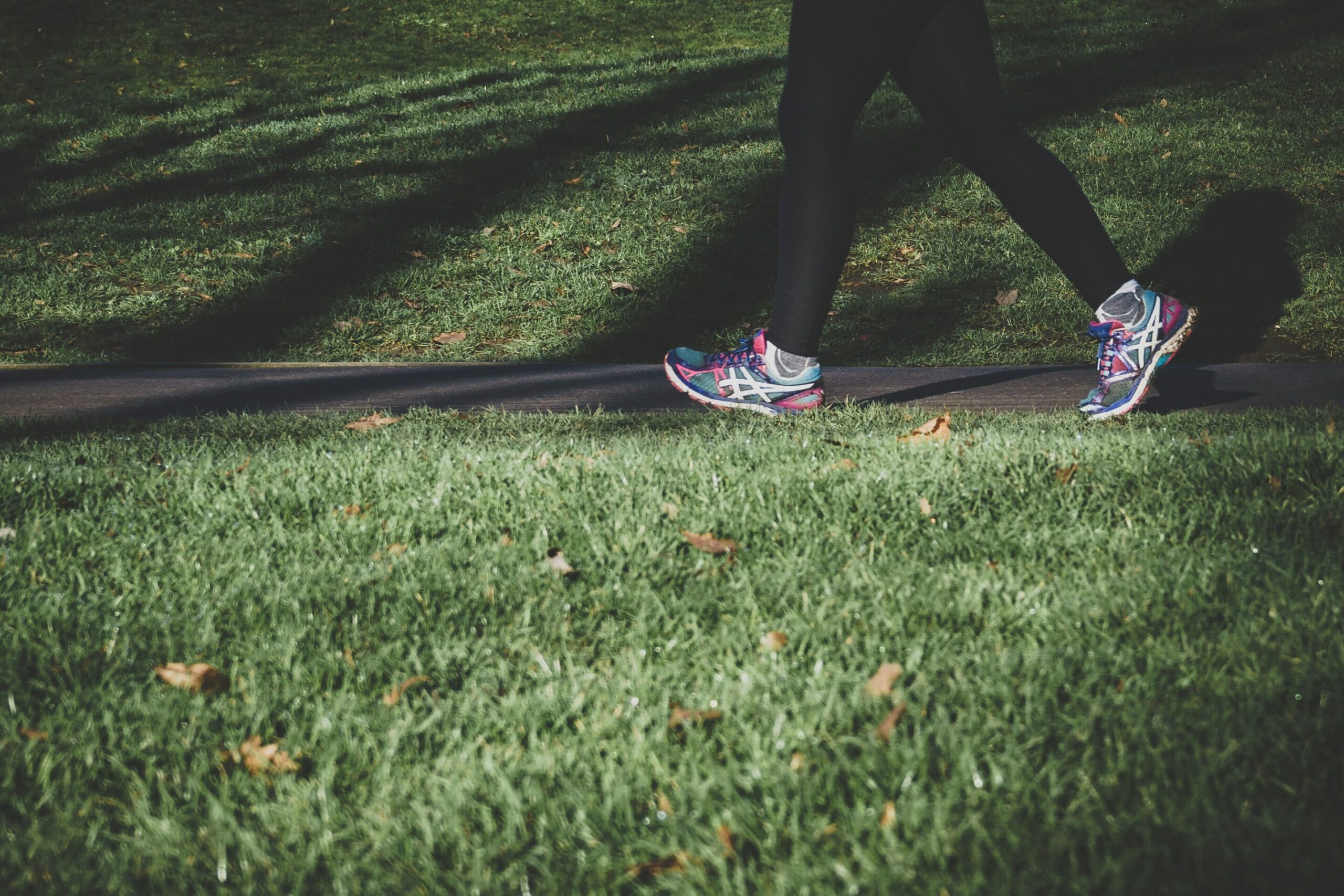
“Humans are inherently designed for movement,” states Demitri Constantinou, a Professor and Specialist Sports and Exercise Physician within Wits’ Department of Exercise Science and Sports Medicine. He emphasizes that ceasing to move initiates a rapid decline in bodily functions. Constantinou’s team has demonstrated that even a single day of inactivity can trigger noticeable alterations in both cardiovascular and musculoskeletal systems. Conversely, engaging in physical activity prompts the release of vital signaling molecules that positively impact cell metabolism, regeneration, and immunity. The effects, he notes, are profound and can commence with actions as simple as standing up.
The Transformative Impact of Everyday Motion
Professor Constantinou underscores that any form of movement surpasses none, highlighting that merely standing instead of sitting can yield a measurable improvement in health. This perspective emerged from extensive departmental research involving a diverse group of adults, including manual laborers, office staff, students, and patients undergoing recovery.
The studies consistently revealed that both ‘prehabilitation’—preparing patients physically and mentally before surgery—and ‘rehabilitation’ through exercise significantly improved recovery rates, minimized complications, and elevated the overall quality of life. “Exercise, whether before, during, or after illness, stands as one of our most potent interventions, yet it remains remarkably under-prescribed,” Constantinou observes. The stark reality, he adds, is that a sedentary existence is detrimental to health, akin to a silent killer.
Professor Philippe Gradidge, whose research has focused on physical activity, obesity, and sedentary behaviors, including the benefits of standing desks, further reinforces this notion. Gradidge clarifies that the emphasis isn’t on extreme sports, but rather on accumulating “micro-movements” throughout the day, week, and across a lifetime. “Our studies indicate that even minor adjustments, such as walking, standing, or light stretching, can substantially boost both physical and mental well-being,” he explains. His team’s work has shown that standing desks enhance posture, alleviate back pain, and sharpen concentration among office workers. Similarly, structured walking programs have been proven to improve heart health and mood in South African women. “Movement truly is medicine, and its benefits are evident even in modest doses,” Gradidge asserts.
He also challenges the widely accepted benchmark of 10,000 steps, often promoted by health programs. “You don’t need 10,000 steps to start feeling better. In fact, emerging data suggests that as few as 2,000 to 4,000 steps daily can help alleviate depressive symptoms,” Gradidge clarifies. He adds that movement, in their research, has aided individuals in managing pain, regulating stress, improving health markers like elevated blood pressure, and increasing self-awareness of their physical state and movement patterns. The goal, he concludes, extends beyond peak performance, focusing instead on fostering environments where people can move joyfully and safely, free from barriers.
Fostering a Culture of Active Living
Despite the efficacy of small steps, Professor Jon Patricios, a Professor of Sports Science and Exercise Medicine in the Faculty of Health Sciences, advocates for adhering to the World Health Organization’s recommendation of 300 minutes of moderate-intensity exercise per week, citing its numerous established benefits. Patricios is a leading figure in promoting exercise as medicine, collaborating with corporations to implement and enhance these initiatives. As the lead author of a recent study published in the British Journal of Sports Medicine, in partnership with Discovery Vitality, Patricios highlighted the profound effect of consistent exercise on cancer outcomes.
“Knowing that even just 60 minutes of regular weekly exercise can potentially reduce the likelihood of cancer progression by 27% and mortality by 47% should compel every medical professional to prescribe exercise as medicine,” Patricios states. He firmly believes that regular physical activity represents “the most potent and accessible prescription we can offer our patients.”
In a significant step towards reinforcing this philosophy, Wits University is set to unveil the Brian and Dorothy Zylstra Sports Complex in 2026. This cutting-edge facility will serve as an integrated hub for training, research, and clinical practice, offering world-class research and therapeutic amenities, including an aquatics center and accommodation for elite athletes. The complex will consolidate a network of healthcare professionals and scientists—including researchers, biokineticists, physiotherapists, and other medical experts—under one roof, accessible to both students and the wider public.
Dr. Georgia Torres, a researcher focusing on exercise and mental well-being and the Chief Operations Officer of the new complex, underscores the importance of integrating movement into everyone’s life, even in resource-constrained areas where formal exercise might be less accessible. “Movement empowers individuals,” she states.
The overarching challenge lies in intentionally designing societal structures that actively encourage physical activity. “Our current urban infrastructure often hinders rather than promotes active living,” Professor Gradidge points out. He suggests that pavements, parks, and public transport systems should be conceived to invite movement, not restrict it. Initiatives like free-to-access park runs exemplify how convenient and accessible active living can be, particularly in a country experiencing declining exercise levels.
Dr. Torres views the upcoming Zylstra Complex, alongside Wits’ involvement in the Global Alliance for the Promotion of Physical Activity, as positive strides forward. This alliance brings together researchers, policymakers, and communities to embed movement into daily routines. “Movement embodies prevention, connection, and empowerment,” Torres concludes. “It is the simplest science of all, yet often the hardest habit to cultivate.”