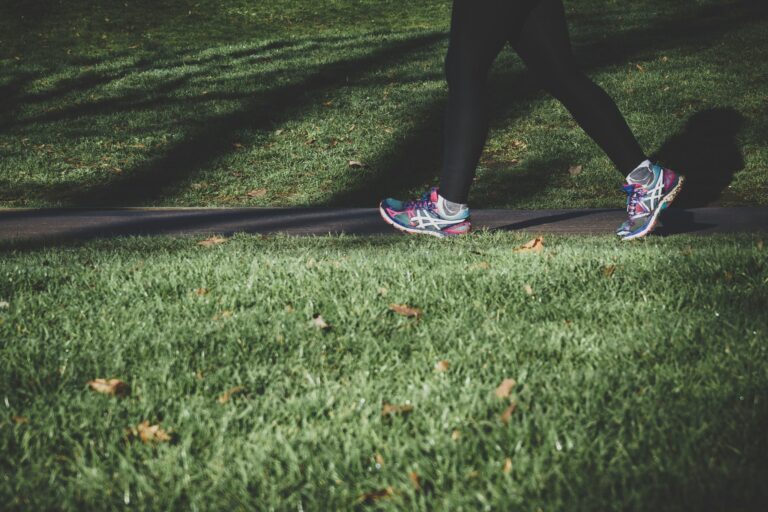
A growing body of research from Wits University unequivocally asserts that movement is not merely a lifestyle choice but a fundamental medicine for human well-being. Far from being exclusive to athletes, physical activity is presented as a crucial, accessible prescription for a healthier, more resilient life, capable of preventing disease, enhancing recovery, and safeguarding mental health.
Professor Demitri Constantinou, a Specialist Sports and Exercise Physician in Wits’ Department of Exercise Science and Sports Medicine, underscores humanity’s inherent need for activity. “Human beings are hardwired for movement,” he states, explaining that the body begins to deteriorate rapidly once movement ceases. His team’s studies reveal that even a single day of inactivity can induce detectable changes within the cardiovascular and musculoskeletal systems. Conversely, physical exertion triggers the release of signaling molecules vital for cellular metabolism, regeneration, and immunity. These profound effects, he notes, can begin with an action as simple as standing up.
The Ubiquitous Power of Everyday Activity
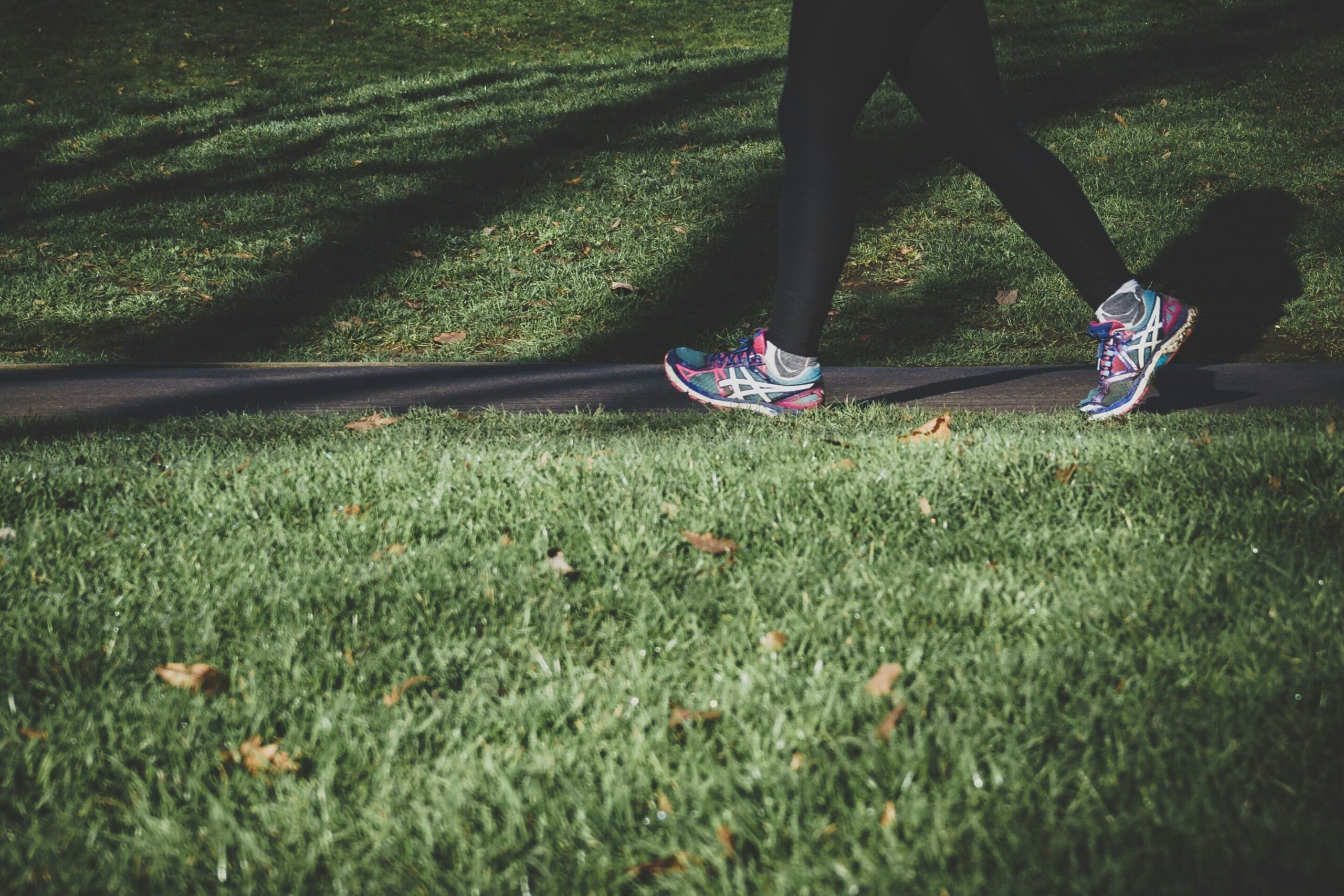
The adage “sitting is the new smoking” resonates deeply with the research findings. Professor Constantinou highlights that any form of movement, no matter how small, yields measurable health benefits. Swapping prolonged sitting for standing, for instance, marks a significant improvement.
The department’s extensive research, encompassing a diverse group of adults—from blue-collar workers and office staff to students and patients in recovery—demonstrates the profound impact of physical activity. They found that both prehabilitation (optimizing a patient’s physical and mental state before surgery) and rehabilitation through exercise markedly improve recovery trajectories, minimize complications, and elevate the overall quality of life. “Exercise before, during and after illness is one of the most powerful interventions we have and yet it is under-prescribed,” Professor Constantinou remarks, juxtaposing this with the grave health risks posed by a sedentary lifestyle.
Micro-Movements, Macro Health Benefits
Professor Philippe Gradidge, who has dedicated years to studying physical activity, obesity, and sedentary behavior, including the efficacy of standing desks, emphasizes that comprehensive health does not require extreme athleticism. Instead, it’s about incorporating ‘micro-movements’ that accumulate over a day, week, and lifetime. “In our studies, we have seen that small changes like walking, standing or light stretching can meaningfully enhance both physical and mental well-being,” he explains.
His team’s investigations have shown that standing desks can alleviate back pain, improve posture, and sharpen concentration among office workers. Similarly, structured walking programs have been linked to enhanced heart health and mood among South African women. Professor Gradidge reinforces the message: “Movement is medicine—and it works even in small doses.” He challenges the popular 10,000-step daily target, citing emerging evidence that as few as 2,000 to 4,000 steps daily can effectively mitigate depressive symptoms. He adds that movement assists individuals in managing pain, regulating stress, improving health markers like blood pressure, and fostering greater awareness of their physical state, advocating for accessible, joyful, and safe environments for physical activity.
Fostering a Culture of Movement and Future Investments
While acknowledging the power of small steps, Professor Jon Patricios, Professor of Sports Science and Exercise Medicine, encourages adherence to the World Health Organization’s recommendation of 300 minutes of moderate-intensity exercise per week for its extensive health benefits. His collaborative work, including a study published in the British Journal of Sports Medicine with Discovery Vitality, demonstrates exercise’s significant role in cancer management. He notes that even 60 minutes of weekly exercise can reduce cancer progression by 27% and mortality by 47%, urging medical professionals to embrace exercise as a primary intervention. “Regular physical activity is the most powerful and accessible prescription that we can give our patients,” Professor Patricios asserts.
Wits University is further solidifying its commitment to this philosophy with the forthcoming Wits Brian and Dorothy Zylstra Sports Complex in 2026. This integrated, state-of-the-art facility will serve as a hub for training, research, and clinical practice, offering world-class amenities including an aquatics center and athlete residences. It will house a multidisciplinary team of healthcare professionals and scientists, providing access to students and the public.
Dr. Georgia Torres, a researcher in exercise and mental well-being and the Complex’s Chief Operations Officer, believes movement should be universally integrated into daily life, even in resource-limited settings. “Movement gives people agency,” she states. The core challenge, she notes, lies in designing societal structures that actively promote, rather than hinder, movement. Professor Gradidge agrees, pointing out that our current built environments often fail to support active living. He advocates for urban planning that incorporates inviting pavements, parks, and public transport systems. Initiatives like free park runs exemplify effective strategies for encouraging active lifestyles in a country where exercise levels are declining.
The Zylstra Complex, alongside Wits’ involvement in the Global Alliance for the Promotion of Physical Activity, signifies promising strides. Dr. Torres encapsulates the essence of this movement: “Movement is prevention, connection and empowerment. It’s the simplest science of all but the hardest habit to build.”